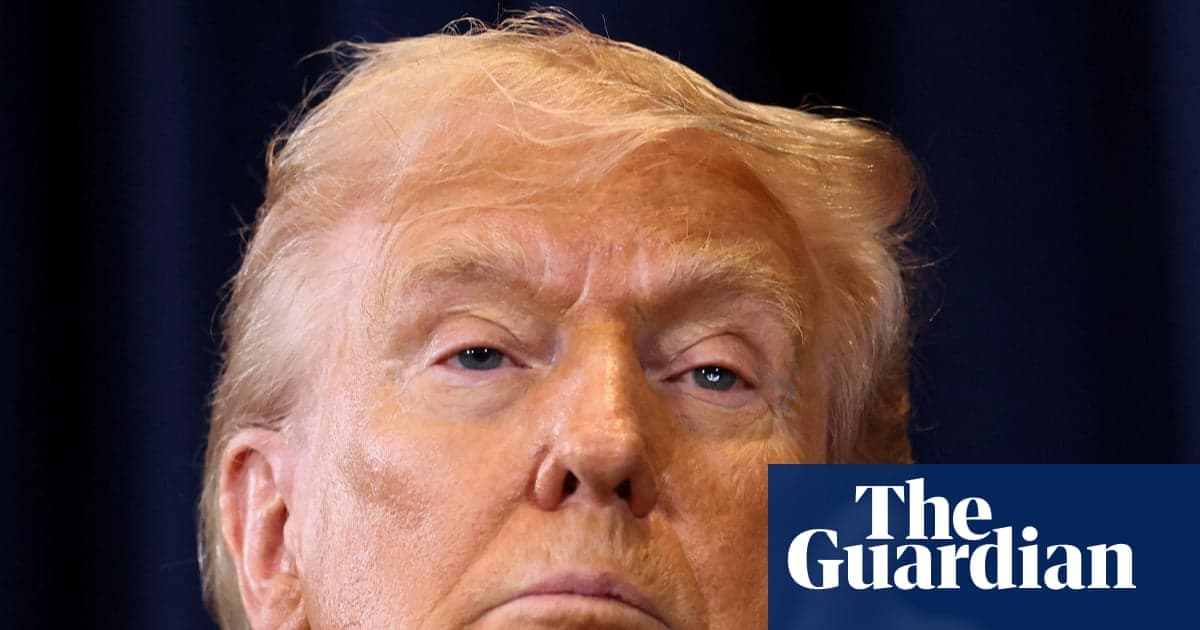
Could Trump Really End the War in Iran ‘Very Soon’? – The Latest
•March 10, 2026
0
Why It Matters
The statement signals potential shifts in U.S. foreign policy that could affect global energy markets and defense spending, while also influencing investor confidence amid economic strain from the conflict.
Key Takeaways
- •Trump claims Iran war could end soon
- •US has not won enough, per Trump
- •Iran defies U.S. statements publicly
- •Economic pressure on U.S. businesses rising
- •Analysts doubt Trump’s optimism on timeline
Pulse Analysis
Trump’s recent press conference, in which he declared the Iran war "very complete" and imminent, reflects a broader political narrative aimed at projecting decisive leadership. However, the assertion overlooks the entrenched military and ideological commitments on both sides. By framing the conflict as nearing resolution, the administration seeks to mitigate domestic criticism, yet the reality on the ground—persistent missile exchanges and proxy engagements—suggests a longer timeline. This disconnect raises questions about policy coherence and the credibility of U.S. diplomatic messaging.
The economic ramifications of an extended Iran conflict are already reverberating through global markets. Energy prices have surged as oil shipments from the Persian Gulf face heightened risk premiums, prompting volatility in commodity‑dependent sectors. U.S. manufacturers reliant on imported components are confronting rising input costs, while defense contractors experience fluctuating demand tied to congressional budget debates. Investors are closely monitoring Treasury yields and inflation indicators, as prolonged military spending could exacerbate fiscal deficits and pressure the Federal Reserve’s policy stance.
Geopolitically, Tehran’s defiant response underscores the limits of U.S. leverage in the region. Iran’s strategic alliances with non‑state actors and its capacity for asymmetric warfare complicate any swift resolution. Should the war persist, regional actors such as Saudi Arabia and Israel may recalibrate their own security postures, potentially sparking a broader escalation. For businesses, the key takeaway is heightened risk assessment: supply‑chain resilience, diversification of energy sources, and scenario planning for regulatory changes will become essential as policymakers grapple with the war’s uncertain trajectory.
Could Trump really end the war in Iran ‘very soon’? – The Latest
0
Comments
Want to join the conversation?
Loading comments...