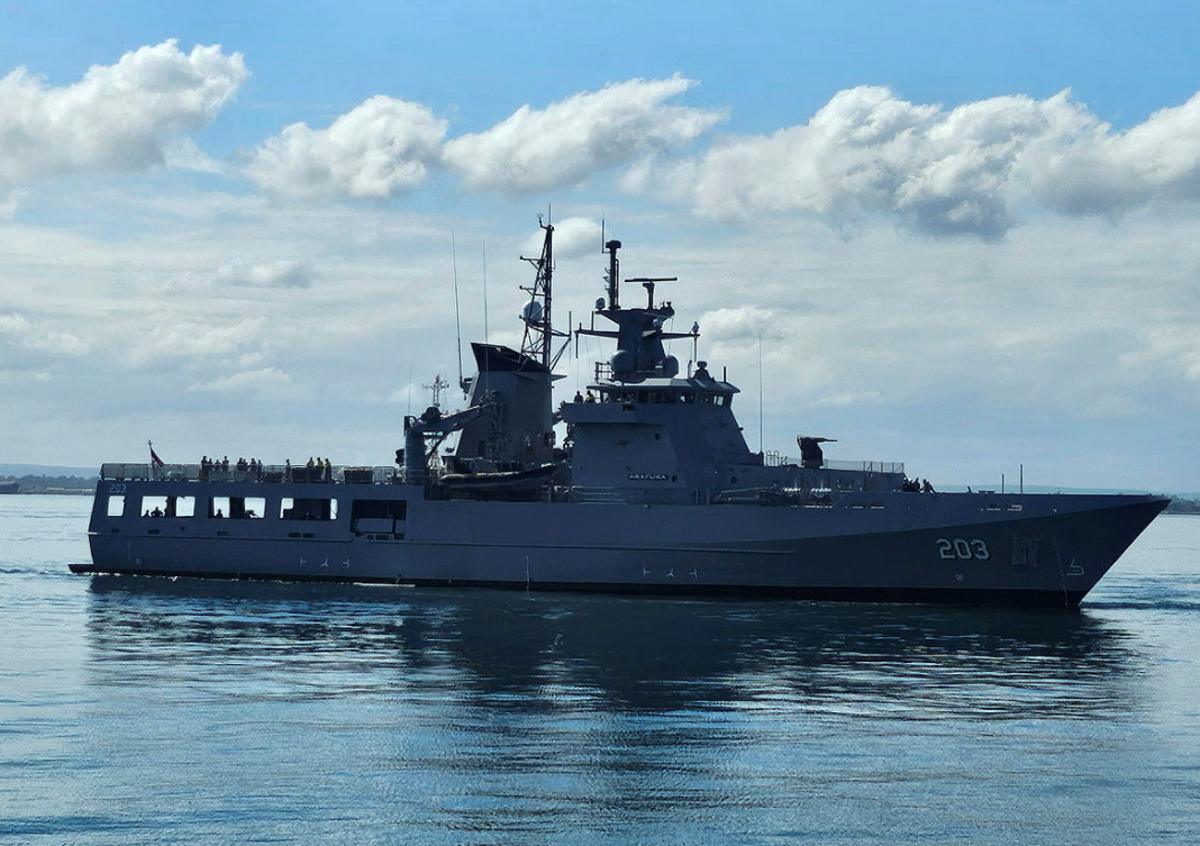
Crisis Talks in Australia as Arafura-Class OPV Program Faces Delays
Why It Matters
The program’s delays jeopardize Australia’s maritime security and strain the domestic defence industrial base, making swift remediation critical for national interests.
Key Takeaways
- •Arafura OPV program listed as Project of Concern Oct 2023
- •HMAS Arafura and NUSHIP Eyre accepted; Pilbara launched
- •Crisis summit convened senior government and Civmec officials
- •Remediation plan aims to restore schedule and capability delivery
- •Thirteenth Project of Concern summit underscores heightened oversight
Pulse Analysis
Australia’s Arafura‑class offshore patrol vessels are central to its maritime security strategy, filling gaps in surveillance, fisheries protection, and border enforcement across the Indo‑Pacific. The 2,000‑tonne ships, equipped with advanced radar and a helicopter deck, were conceived to replace an aging fleet and bolster regional presence. However, the program has been plagued by schedule slips and cost overruns, prompting the Defence Department to flag it as a Project of Concern in late 2023, a designation that triggers heightened scrutiny and corrective action.
The Project of Concern framework, revived in 2022, mandates rigorous reporting and remediation for troubled acquisitions. At the recent Canberra summit, senior officials from the Department of Defence and Civmec Defence Industries reviewed progress against a remediation plan that has already delivered tangible milestones: the formal acceptance of OPV 1 (HMAS Arafura) and OPV 2 (NUSHIP Eyre), and the launch of OPV 3 (NUSHIP Pilbara). While these achievements signal forward movement, participants acknowledged lingering supply‑chain bottlenecks and integration challenges that could threaten the program’s overall timeline. The summit’s commitments include tighter schedule controls, enhanced risk monitoring, and accelerated workforce training to sustain delivery momentum.
The stakes extend beyond the vessels themselves. Delays erode confidence in Australia’s defence industrial base, potentially prompting foreign partners to reassess collaboration and affecting domestic job creation. Moreover, a lagging OPV fleet could limit the Royal Australian Navy’s ability to respond to emerging regional threats, from illicit fishing to contested maritime claims. The intensified oversight model offers a blueprint for other nations grappling with complex defence procurements, emphasizing early intervention, transparent milestones, and industry‑government partnership as keys to restoring capability delivery. As the Arafura program progresses, its success will be a litmus test for Australia’s broader defence reform agenda.
Crisis talks in Australia as Arafura-class OPV program faces delays
Comments
Want to join the conversation?
Loading comments...