Why It Matters
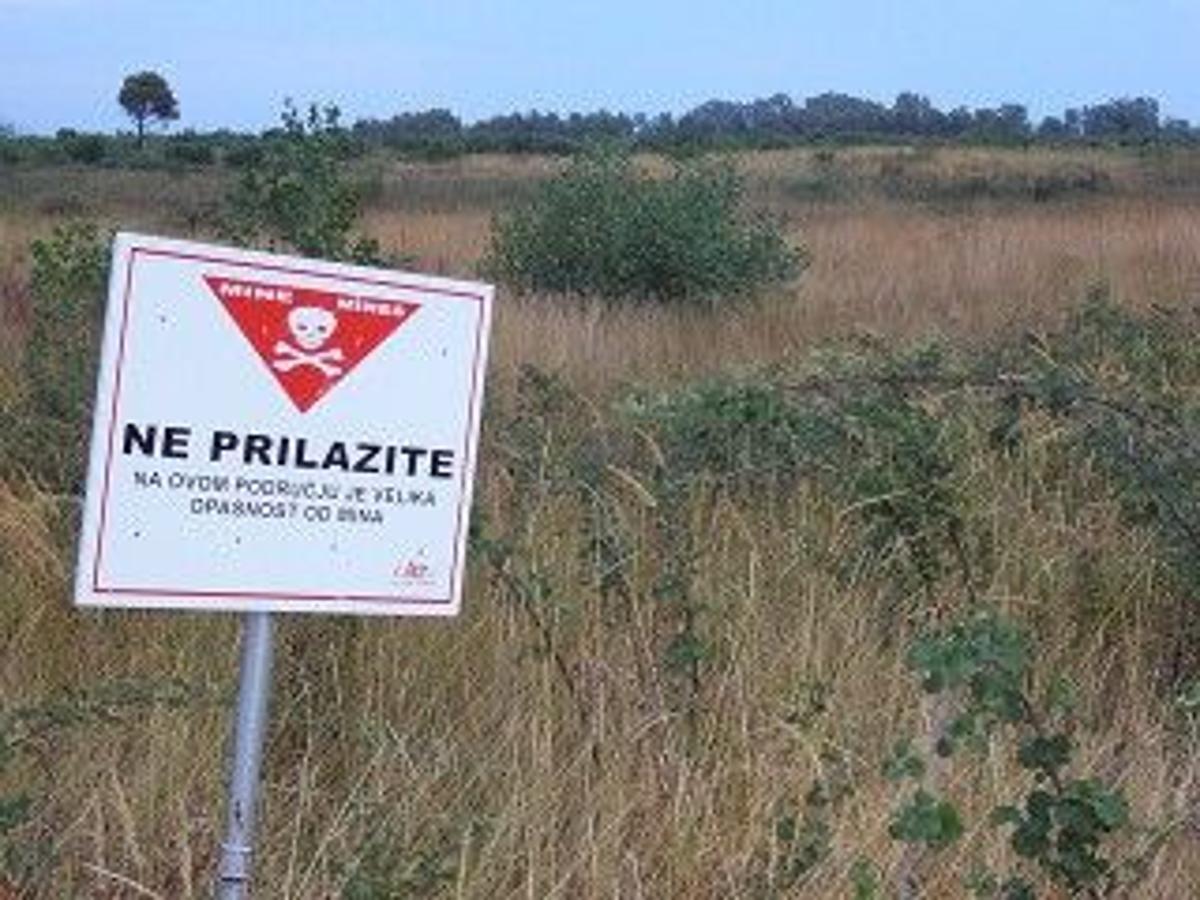
Eliminating mines unlocks safe land use, boosts economic recovery, and positions Croatia as a regional leader in humanitarian demining services.
Key Takeaways
- •107,000 mines and 470,000 UXOs cleared.
- •Demining cost €1.2 billion over three decades.
- •41 deminers and 208 civilians killed during clearance.
- •Croatia now fully compliant with Ottawa Convention.
- •Demining expertise exported via robots to Ukraine.
Pulse Analysis
The conclusion of Croatia’s demining campaign marks a rare instance where a post‑conflict nation has fully eradicated the remnants of war after nearly thirty years. While the Balkan conflicts of the 1990s left a sprawling, kilometer‑long front littered with explosive hazards, systematic clearance operations—backed by international conventions and domestic funding—systematically neutralised over a hundred thousand mines and half a million unexploded devices. This massive undertaking not only fulfilled legal obligations under the Ottawa Treaty but also generated a unique body of technical knowledge that few countries possess.
Beyond the humanitarian triumph, the economic ramifications are profound. The €1.2 billion investment, though substantial, translates into reclaimed agricultural land, safer transport corridors, and renewed confidence for foreign investors. The human cost—41 deminers and 208 civilians lost—underscores the perilous nature of the work, yet also highlights the resilience of communities that endured daily threats. With the danger eliminated, Croatia can now focus on infrastructure upgrades, tourism expansion, and rural development, driving growth in regions previously constrained by safety concerns.
Looking ahead, Croatia’s demining expertise is poised to become a strategic export. By donating advanced demining robots to Ukraine and supporting domestic firms seeking contracts abroad, Zagreb is turning a legacy of conflict into a competitive advantage. This shift not only strengthens Croatia’s diplomatic ties but also contributes to global efforts to clear mines in other hotspots. As the nation leverages its experience, it reinforces a broader narrative: post‑war reconstruction can generate new industries and foster international cooperation in humanitarian security.
Croatia cleared of mines
0
Comments
Want to join the conversation?
Loading comments...