Crowded Field of Robot-Boat Makers Vies for Navy's Attention
•February 12, 2026
0
Why It Matters
USV adoption could reshape naval force structure, delivering persistent, low‑cost firepower in the Pacific and accelerating the Navy’s shift toward autonomous warfare.
Key Takeaways
- •Navy seeks reliable USVs for daily fleet integration
- •Blue Water’s Liberty class offers 10,000‑nm range, 150‑ton payload
- •MASC program expected to drive medium‑size USV purchases
- •Competition includes major shipbuilders and dozens of startups
- •Over‑ordering risks storage backlog without updated sustainment models
Pulse Analysis
The U.S. Navy’s push for unmanned surface vessels has accelerated as China expands its own autonomous fleet and the Ukraine conflict demonstrated the lethality of robotic boats. Decision‑makers are still calibrating the optimal mix of medium and large USVs, but the service has earmarked $2.1 billion for next‑generation platforms and is testing concepts across at least three separate commands. This funding, combined with the Modular Attack Surface Craft (MASC) program, signals a strategic shift toward persistent, low‑cost maritime presence that can operate for months without a crew.
Despite the enthusiasm, the Navy warns against a rush that could outpace its logistics and training pipelines. Admiral Daryl Caudle emphasized the need for a “standard model” that aligns acquisition with sustainment, crew training, and command‑and‑control structures. Without those foundations, fleets risk accumulating unused hulls in storage, a scenario that would erode cost‑effectiveness and delay operational insight. The MASC effort, which envisions payloads ranging from 20‑foot sensor suites to full‑scale vertical‑launch modules, illustrates how capability‑centric design must be balanced with realistic maintenance cycles.
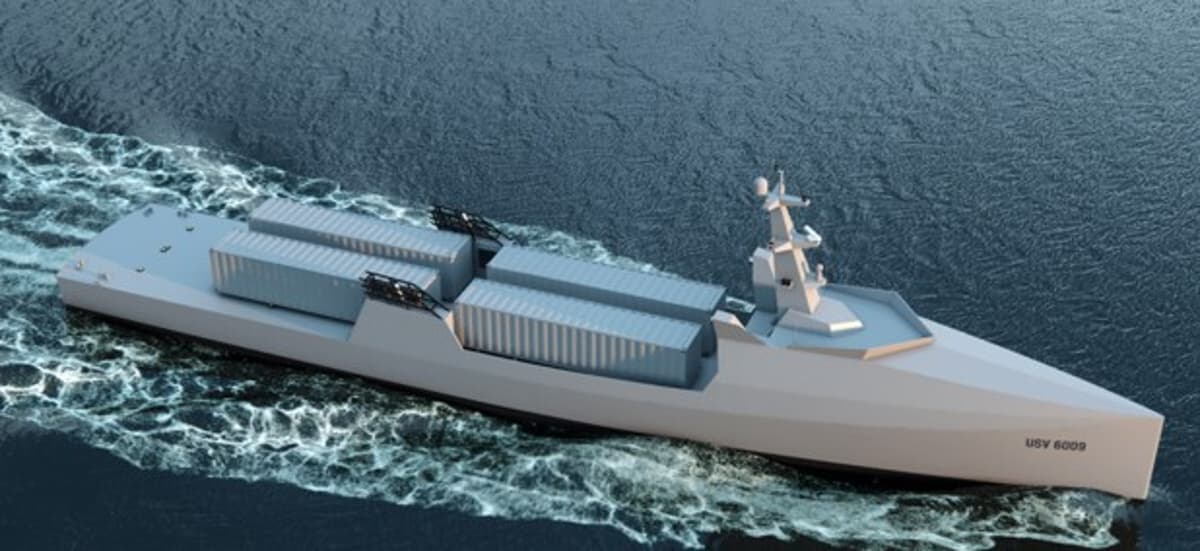
Blue Water Autonomy is positioning its Liberty class as a direct answer to those requirements, offering a 190‑foot, 800‑ton hull capable of 10,000 nautical miles and up to 150 tons of payload, including missile launchers. Private capital from investors such as Google Ventures has funded continuous ocean testing, and the company plans to start low‑rate production at Conrad Shipyard with a potential output of 20 vessels per year. However, the market is crowded: legacy shipbuilders like HII, tech‑focused firms such as Anduril, and dozens of niche startups are all vying for the same contracts, suggesting that only a few will survive once Navy orders level off.
Crowded field of robot-boat makers vies for Navy's attention
0
Comments
Want to join the conversation?
Loading comments...