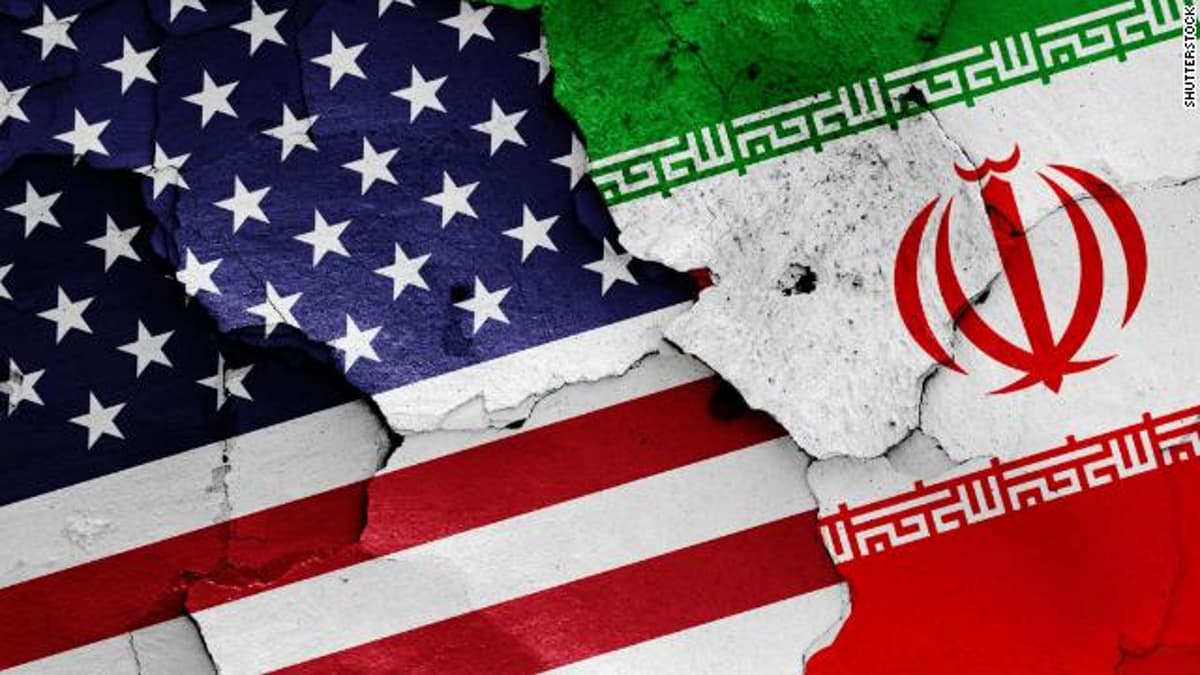
CSIS Panel Discussion | United States and Iran on the Brink: What’s at Stake?
•February 19, 2026
0
Why It Matters
The outcome of these talks will shape regional stability and influence global energy markets, while a misstep could trigger a broader Middle‑East confrontation.
Key Takeaways
- •Iran crackdown sparked heightened US‑Iran tensions.
- •Trump deployed carrier strike group to Persian Gulf.
- •Oman hosted first high‑stakes US‑Iran talks Feb 6.
- •Regional actors pushing mediation to avoid wider conflict.
- •Negotiations remain fragile; conflict risk persists.
Pulse Analysis
The recent CSIS panel underscores how quickly domestic unrest in Tehran can ripple into international security calculations. Iran’s crackdown on protestors not only intensified internal dissent but also triggered a swift U.S. military posture, with an aircraft carrier strike group positioned off the Persian Gulf. This show of force signals Washington’s willingness to leverage hard power, yet it also raises the stakes for diplomatic channels that have been cautiously re‑opened after years of stalemate.
Oman’s selection as a neutral venue for the February 6 talks reflects a broader regional effort to contain the crisis. Gulf Cooperation Council members and European mediators have been quietly facilitating back‑channel dialogues, hoping to prevent a spillover that could disrupt oil shipments and exacerbate inflation worldwide. The discussions, however, revealed stark divergences: Tehran demands sanctions relief and recognition of its regional influence, while Washington seeks verifiable limits on Iran’s missile program and proxy activities. These gaps illustrate why any agreement will require intricate sequencing and robust verification mechanisms.
Looking ahead, the panel warned that the window for constructive engagement is narrowing. A miscalculation—whether a tactical misstep by the U.S. navy or an aggressive response from Iranian hardliners—could reignite combat operations, drawing in allies such as Israel and Saudi Arabia. Conversely, sustained diplomatic momentum could pave the way for a broader framework addressing nuclear concerns, maritime security, and regional proxy conflicts. Stakeholders across finance, energy, and defense sectors should monitor the evolving dialogue, as its trajectory will directly impact market volatility and geopolitical risk assessments.
CSIS Panel Discussion | United States and Iran on the Brink: What’s at Stake?
0
Comments
Want to join the conversation?
Loading comments...