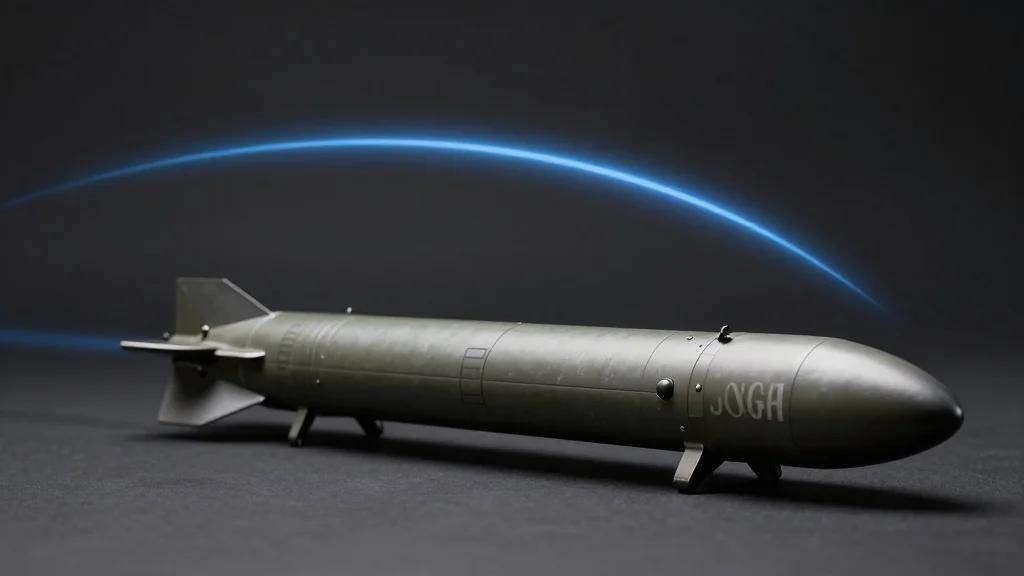
CSIS Report Finds U.S. Air‑Defense Munitions Halved After Iran Conflict

Why It Matters
The rapid depletion of Patriot, THAAD, Tomahawk, and JASSM munitions highlights a vulnerability that could constrain U.S. response options in any future high‑end conflict, particularly against China in the western Pacific. With half of key air‑defense interceptors already used, the United States may face a capability gap that forces it to rely on older, less effective systems or to divert resources from other theaters. The report also underscores the strategic importance of industrial capacity; without a faster production pipeline, the U.S. risks being out‑gunned in a peer‑to‑peer showdown, potentially altering the balance of power in critical regions. Furthermore, the findings could drive policy shifts in defense budgeting and acquisition. Lawmakers may push for larger, more flexible munitions stockpiles and faster procurement cycles, while the Pentagon may prioritize multi‑year contracts and the Munitions Acceleration Council’s recommendations. The broader implication is a reassessment of how the United States maintains readiness for simultaneous, multi‑theater conflicts, a scenario increasingly likely in a world of great‑power competition.
Key Takeaways
- •CSIS estimates ~50% of Patriot and THAAD interceptor stocks used in 39‑day Iran war
- •More than 850 Tomahawk cruise missiles and over 1,000 JASSM missiles were fired
- •Patriot interceptor usage: 1,060‑1,430 missiles, exceeding half of pre‑war inventory
- •FY27 budget request: $22.6 billion to fund 4,600+ all‑up rounds of critical munitions
- •Pentagon spokesperson Sean Parnell denied stockpile shortages, emphasizing existing capability
Pulse Analysis
The CSIS report arrives at a moment when the United States is juggling multiple strategic priorities: ending the Iran conflict, deterring China, and sustaining a global presence. The data reveal a classic case of "use‑it‑or‑lose‑it" in modern warfare—high‑value, precision munitions are consumed at a rate that outpaces production. Historically, the U.S. has relied on a deep inventory of missiles to project power, but the Iran campaign shows that even a short, intense fight can shave off years of procurement effort. This creates a strategic dilemma: the Pentagon must decide whether to rebuild stockpiles aggressively, risking budget overruns, or accept a lower readiness posture that could embolden adversaries.
From a market perspective, defense contractors that produce Tomahawks, JASSMs, and Standard Missiles stand to benefit from the accelerated procurement push. Companies like Raytheon Technologies and Lockheed Martin are already lobbying for multi‑year contracts that lock in demand, which could stabilize their order books but also expose them to political risk if Congress balks at the cost. Meanwhile, the industrial base faces a capacity bottleneck; ramp‑up requires not just funding but also skilled labor, supply‑chain resilience, and streamlined acquisition processes. The Munitions Acceleration Council’s role may become pivotal in cutting red tape and aligning defense agencies with industry timelines.
Looking ahead, the United States’ ability to replenish its premium missile stockpiles will be a litmus test for its broader deterrence strategy. If the Pentagon can close the gap before a potential Pacific flashpoint, it will reinforce the credibility of U.S. extended deterrence. Failure to do so could shift the strategic calculus in favor of China, which has been quietly expanding its own missile inventory and anti‑access/area‑denial capabilities. In short, the depletion highlighted by CSIS is not just a logistical footnote; it is a strategic inflection point that will shape defense budgeting, industrial policy, and geopolitical stability for the next decade.
CSIS Report Finds U.S. Air‑Defense Munitions Halved After Iran Conflict
Comments
Want to join the conversation?
Loading comments...