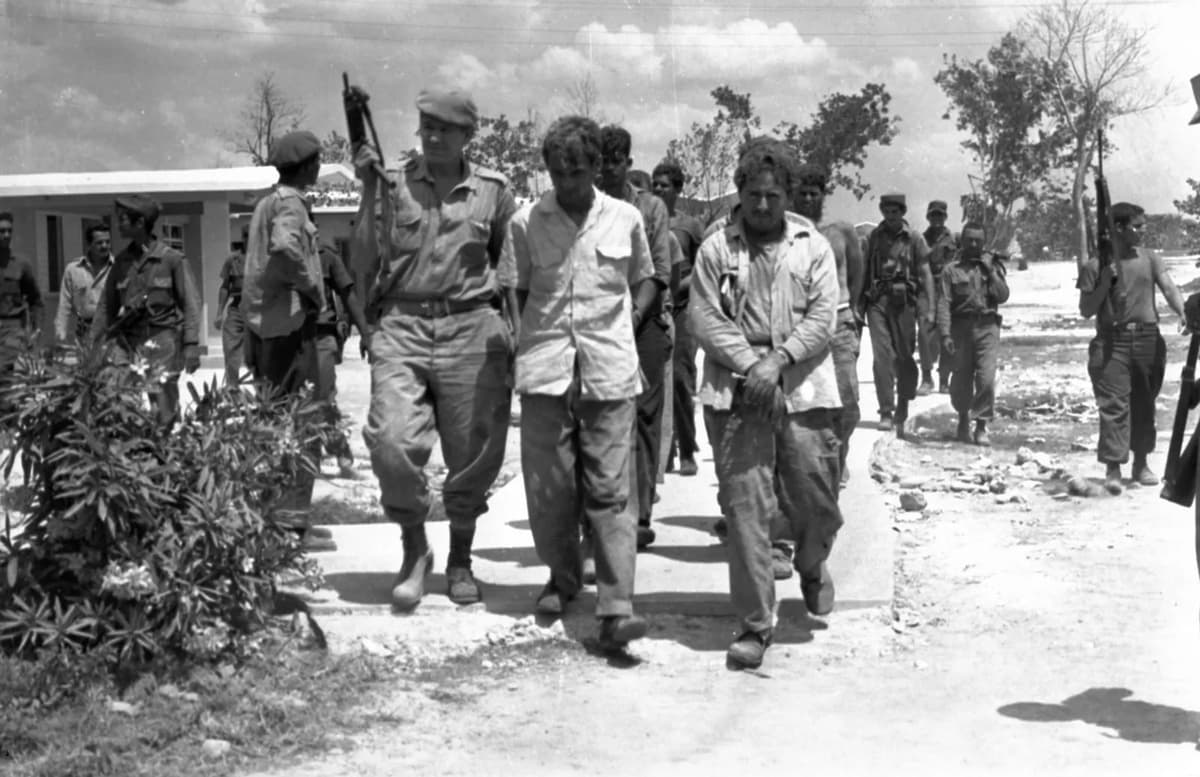
Cuba: The Bay of Pigs Invasion 65 Years Later
Why It Matters
The revelations highlight enduring gaps in intelligence oversight and illustrate how flawed covert actions can damage U.S. credibility, informing current debates on agency reform and U.S.–Cuba diplomacy.
Key Takeaways
- •Kennedy ordered review of British intelligence after Bay of Pigs failure
- •CIA budget grew from $4.4 M to $45 M for the operation
- •Inspector General Kirkpatrick called plausible denial a “pathetic illusion.”
- •CIA worked with Mafia to develop untraceable lethal pills for Castro
- •Schlesinger suggested splitting CIA into research and information agencies
Pulse Analysis
The National Security Archive’s latest release adds a fresh layer to the Bay of Pigs narrative, providing scholars and policymakers with primary source material that was long shrouded in secrecy. Among the documents are President Kennedy’s directive to Arthur Schlesinger Jr. to examine the British intelligence framework, a memo that underscores early recognition of the need for tighter policy oversight of covert agencies. Coupled with the 100‑page Inspector General’s Survey, the collection paints a stark picture of an operation that ballooned from a modest $4.4 million plan to a $45 million debacle, plagued by poor intelligence, inadequate staffing, and a false sense of plausible deniability.
The internal CIA findings expose a culture of self‑deception that misled the White House about the invasion’s prospects. Lyman Kirkpatrick’s report labels the agency’s claim of “plausible denial” as a “pathetic illusion,” while also revealing a clandestine partnership with organized crime to produce lethal, untraceable pills for Castro. Such revelations not only deepen historical understanding of Cold‑War covert tactics but also resonate with contemporary concerns about accountability, especially as modern intelligence agencies grapple with cyber‑operations and hybrid warfare. The budget escalation and operational overreach serve as cautionary data points for current reform efforts aimed at separating analytical and operational functions.
For today’s U.S.–Cuba relationship, the declassified material underscores the long‑standing mistrust that stems from overt aggression and failed covert ventures. The 2001 Havana conference, which featured back‑channel talks between Richard Goodwin and Che Guevara, demonstrated that even after a catastrophic failure, dialogue remains possible. As Cuba under Miguel Díaz‑Canel confronts renewed U.S. pressure, the Bay of Pigs serves as a historical reminder that sustainable policy must prioritize transparent diplomatic channels over clandestine interventions. The newly available documents thus inform both scholarly debate and practical policy, reinforcing the imperative for robust oversight mechanisms and a calibrated approach to intelligence‑driven foreign policy.
Cuba: the Bay of Pigs invasion 65 years later
Comments
Want to join the conversation?
Loading comments...