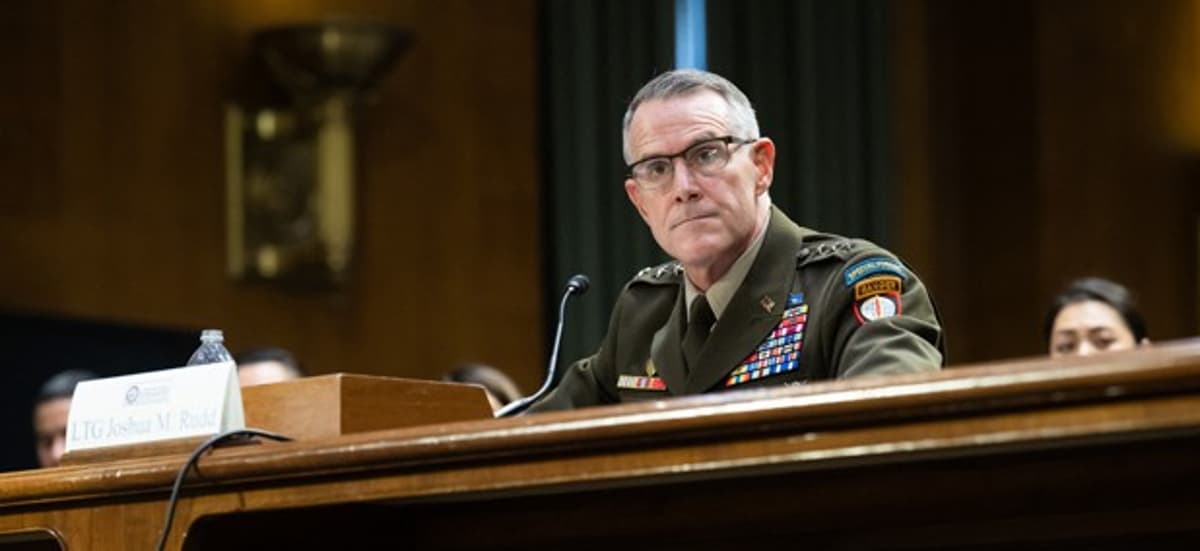
Cyber Command Carried Out over 8,000 Missions in 2025, Director Says
Why It Matters
The rising mission tempo underscores cyber operations as a core component of U.S. military strategy, influencing both deterrence and kinetic planning. The upcoming strategy promises tighter coordination, shaping future defense budgeting and inter‑agency collaboration.
Key Takeaways
- •Cyber Command executed 8,000+ missions in 2025, up 25% YoY.
- •New director Gen. Josh Rudd expects mission count to rise in 2026.
- •Operations included Iran and Venezuela missions, showing offensive integration.
- •Upcoming 2026 cyber strategy aims to unify defensive “hunt forward” tactics.
Pulse Analysis
The 8,000‑mission milestone marks a watershed for U.S. Cyber Command, reflecting how digital warfare has moved from a supporting function to a primary combat element. Analysts attribute the surge to heightened geopolitical tensions, especially in regions like the Middle East and South America, where cyber attacks are increasingly used to achieve strategic objectives without deploying troops. By quantifying its activity, the command signals to allies and adversaries alike that cyber capabilities are now measured alongside traditional force metrics, reshaping the calculus of deterrence.
Gen. Josh Rudd’s dual role as head of Cyber Command and the NSA signals a tighter integration of intelligence and operational cyber forces. His testimony highlighted recent offensive campaigns—codenamed Operation Absolute Resolve and Operation Epic Fury—that targeted Iranian nuclear infrastructure and contributed to the political destabilization of Venezuela. These operations illustrate a shift toward proactive, kinetic‑style cyber strikes that complement conventional military actions, raising questions about escalation thresholds and the need for clear policy frameworks governing cyber use of force.
Looking ahead, the Department of Defense’s upcoming 2026 cyber strategy promises a “bold transformation” that will blend defensive hunt‑forward missions with offensive planning. By institutionalizing a unified approach, the strategy aims to streamline resource allocation, improve threat‑intelligence sharing, and enhance the resilience of allied networks. For industry stakeholders, this signals increased demand for advanced threat‑hunting platforms, AI‑driven analytics, and secure communications solutions that can operate within a joint, inter‑agency environment. Companies that can align their offerings with this integrated vision stand to benefit from heightened procurement activity and long‑term contracts.
Cyber Command carried out over 8,000 missions in 2025, director says
Comments
Want to join the conversation?
Loading comments...