Why It Matters
The deployment strengthens Poland’s short‑range air‑defence and showcases deeper NATO interoperability against emerging drone threats. It also signals a coordinated Central European response to Russian aerial incursions.
Key Takeaways
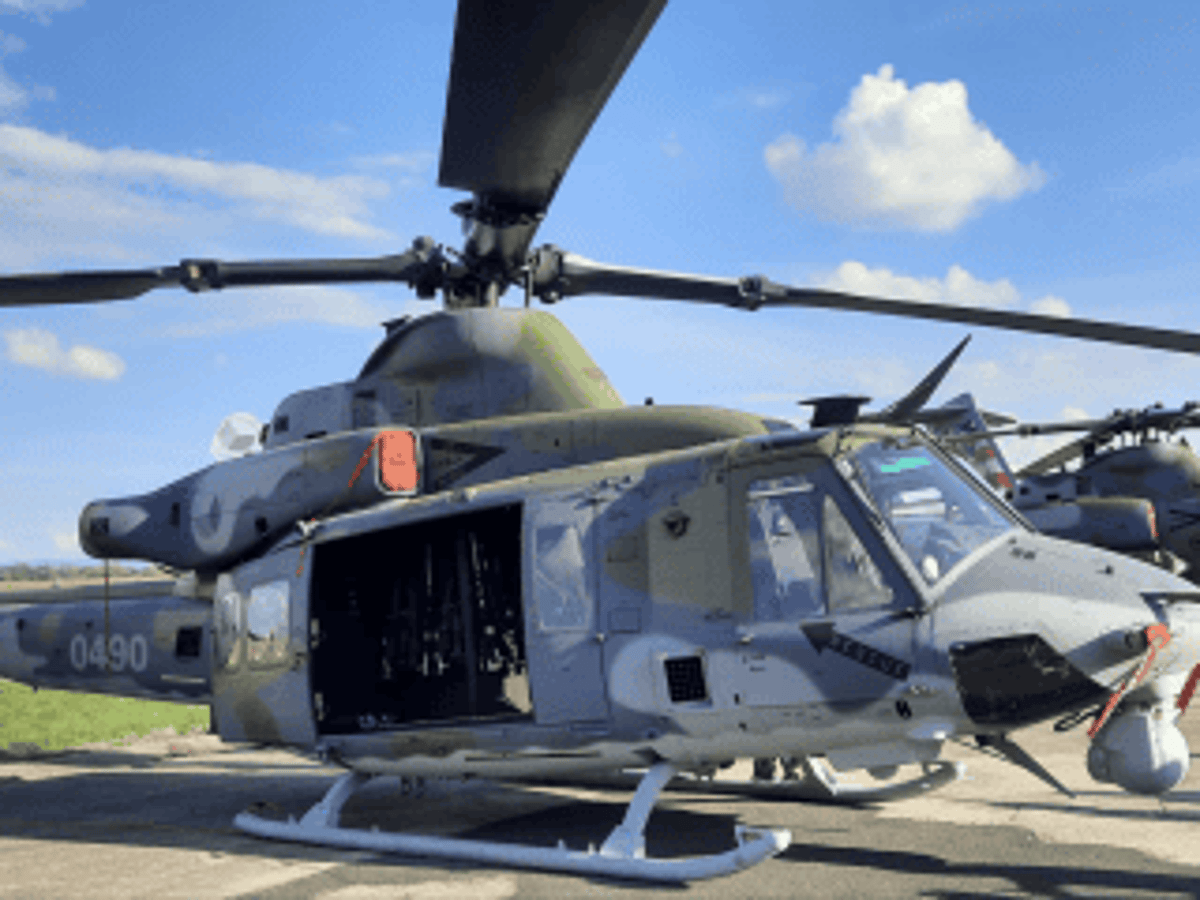
- •Czech UH-1Y Venoms deployed to Poland for C‑UAS missions
- •Replacing Mil Mi‑171ŠM helicopters after Russian drone incursions
- •Eight Venoms purchased; two added via US EDA program
- •Four Venoms (one flight) will operate from Polish base
- •Deployment boosts NATO air‑defence interoperability in region
Pulse Analysis
Russia’s recent use of Gerbera decoy drones to breach Poland’s border highlighted a growing vulnerability in NATO’s eastern flank. Traditional air‑defence assets struggle to detect and neutralise low‑observable, swarming platforms, prompting member states to prioritize counter‑unmanned aerial system (C‑UAS) capabilities. The Czech Republic’s acquisition of the Bell UH‑1Y Venom, a versatile utility helicopter equipped with advanced sensor suites, directly addresses this gap, offering rapid response and flexible engagement options for low‑altitude threats.
The Venom detachment originates from the 22nd Helicopter Air Base in Sedlec and will operate in Poland as the 5th Helicopter Task Unit. Crews have completed NATO‑standard C‑UAS training and earned certification, ensuring seamless integration with Polish and allied command structures. Out of the eight helicopters purchased, two are provided free of charge through the U.S. Excess Defense Articles program, underscoring transatlantic support. Four Venoms – constituting a single flight – will replace the older Mil Mi‑171ŠM fleet, maintaining continuous coverage of Polish airspace while enhancing interoperability with NATO’s broader air‑defence network.
Strategically, the deployment reinforces collective security in Central Europe, sending a clear deterrent signal to adversaries. By sharing assets and expertise, the Czech Republic and Poland deepen their defence partnership, creating a model for future joint C‑UAS initiatives across the alliance. As drone technology evolves, such collaborative approaches will be essential for preserving air sovereignty and ensuring rapid, coordinated responses to emerging threats.
Czech Venoms to support Poland
0
Comments
Want to join the conversation?
Loading comments...