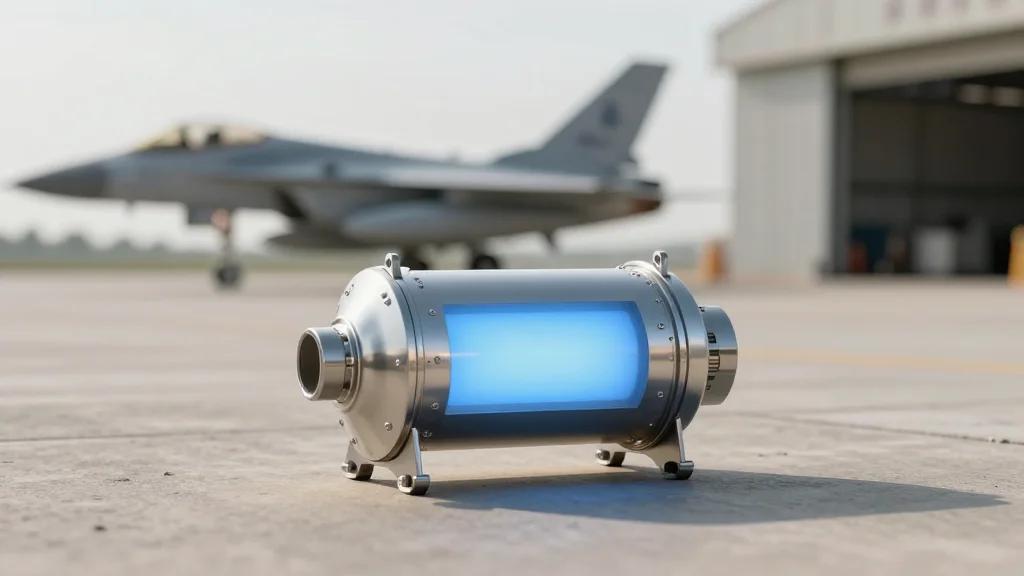
DAF Announces Next Steps in Advanced Nuclear Power for Installations Initiative
Why It Matters
Deploying micro‑reactors strengthens energy resilience for critical defense missions, reducing reliance on vulnerable grid power and accelerating the military’s clean‑energy transition.
Key Takeaways
- •Buckley SFB paired with Radiant Industries for microreactor deployment
- •Westinghouse Government Services assigned to Malmstrom AFB site
- •Antares Nuclear selected for Joint Base San Antonio microreactor project
- •ANPI aims for operational reactor on a DAF base by 2030
- •NEPA environmental review will determine final siting and permitting
Pulse Analysis
Micro‑reactor technology is emerging as a strategic asset for the U.S. defense establishment. Small, transportable nuclear units can generate megawatts of reliable power with minimal fuel and low emissions, making them ideal for remote or high‑risk installations. The Air Force’s ANPI initiative leverages this capability to address a longstanding vulnerability: dependence on external electricity grids that can be disrupted by weather, cyber‑attacks, or geopolitical events. By integrating advanced reactors, the service aims to guarantee uninterrupted power for mission‑critical systems, from radar arrays to launch facilities, while also meeting broader sustainability goals.
The three selected sites represent a cross‑section of operational needs and geographic diversity. Radiant Industries, Westinghouse Government Services, and Antares Nuclear each bring distinct reactor designs ranging from molten‑salt to high‑temperature gas‑cooled concepts. Their deployment timelines align with the 2030 operational target, but the path forward includes rigorous siting studies and compliance with the National Environmental Policy Act. Unlike the stand‑alone pilot at Eielson AFB, which focuses on feasibility, the ANPI projects will be integrated into existing base infrastructure, providing a real‑world test of scalability, maintenance regimes, and crew training requirements.
Beyond the military, the ANPI rollout signals a broader market shift. Successful demonstrations could unlock commercial opportunities for micro‑reactors in remote communities, data centers, and disaster‑response scenarios. The partnership with the Defense Innovation Unit also underscores a growing willingness to fast‑track emerging energy technologies through government procurement channels. As regulators refine licensing pathways and supply chains mature, the defense sector’s early adoption may accelerate industry standards, driving down costs and fostering a new generation of resilient, low‑carbon power solutions for both national security and civilian applications.
DAF announces next steps in Advanced Nuclear Power for Installations initiative
Comments
Want to join the conversation?
Loading comments...