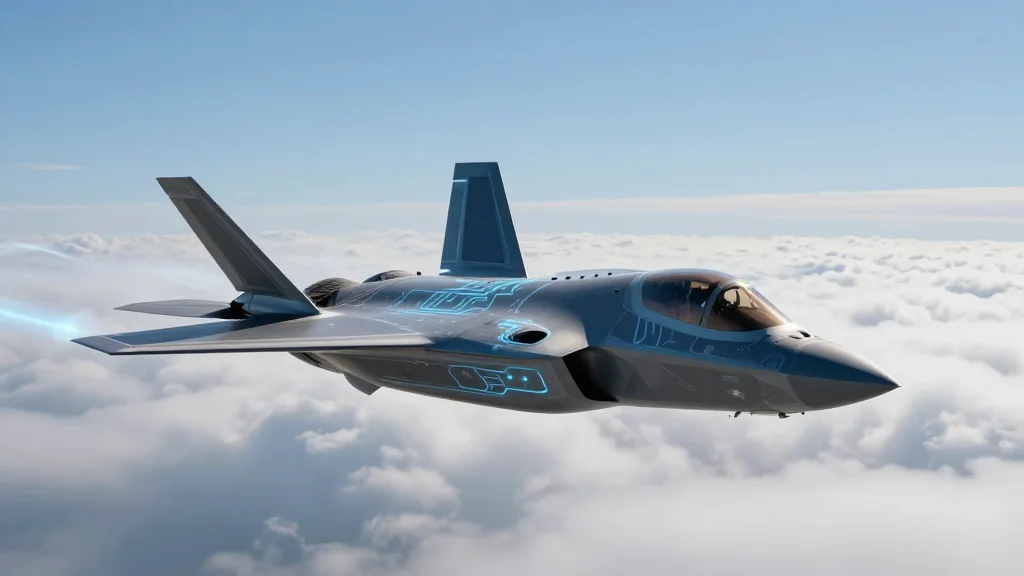
DAF Releases Data, AI Strategies to Accelerate Military Dominance
Why It Matters
Embedding AI across the Air Force accelerates capability gaps, reshaping defense procurement and influencing the broader national security tech ecosystem. The move signals heightened competition in AI‑driven warfare, prompting industry and allies to adapt quickly.
Key Takeaways
- •DAF’s AI‑first roadmap targets rapid fielding of autonomous systems
- •Data integration will feed real‑time decision making from command to pilots
- •Secure cloud and edge computing form the backbone of the strategy
- •Talent pipelines focus on AI engineers, data scientists, and ethicists
- •The plan aims to outpace near‑peer AI capabilities in air‑space domain
Pulse Analysis
The Air Force’s new data and AI strategy reflects a broader shift in U.S. defense toward algorithmic superiority. By treating data as a strategic asset, the service plans to fuse sensor streams, logistics information, and mission planning into a unified analytics layer. This approach not only shortens the OODA loop for commanders but also creates a fertile market for commercial AI vendors that can supply modular, interoperable tools. The emphasis on secure cloud environments and edge computing ensures that AI models can run close to the sensor, reducing latency and vulnerability to cyber‑attack.
From an acquisition perspective, the roadmap signals a departure from traditional, lengthy procurement cycles. The DAF intends to leverage rapid prototyping, software‑centric contracts, and joint‑venture agreements with tech firms to field capabilities within months rather than years. This agility is crucial as adversaries invest heavily in autonomous drones, hypersonic weapons, and AI‑enhanced ISR platforms. By establishing a talent pipeline that attracts civilian AI experts and embeds ethicists, the Air Force also aims to mitigate risks associated with algorithmic bias and unintended escalation.
Geopolitically, the AI‑first posture reinforces U.S. deterrence by demonstrating the ability to integrate machine learning into every tier of air and space operations. Allies are likely to seek interoperability, prompting a wave of joint standards and data‑sharing frameworks. Meanwhile, the strategy may spur legislative scrutiny over data sovereignty and export controls, shaping the next wave of defense policy. In sum, the DAF’s roadmap not only modernizes its own force but also reshapes the defense‑industry ecosystem, setting a benchmark for AI adoption across the armed services.
DAF releases data, AI strategies to accelerate military dominance
Comments
Want to join the conversation?
Loading comments...