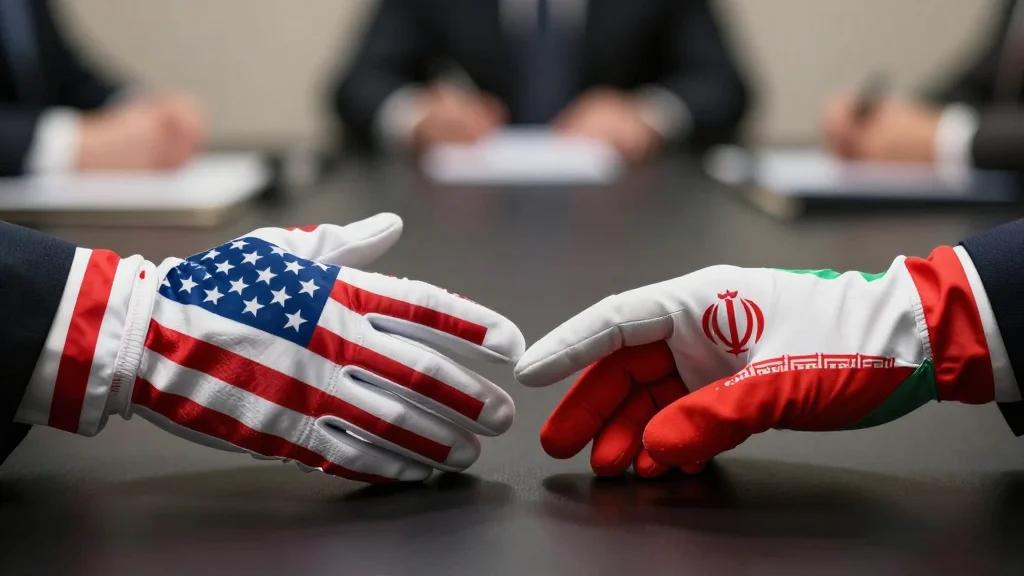
Why It Matters
The impasse threatens regional stability, disrupts vital oil flows, and underscores how U.S. coercive diplomacy can stall conflict resolution in a volatile Middle‑East theater.
Key Takeaways
- •US blockade of Hormuz stalls Iran delegation to Islamabad talks
- •Trump refuses to lift blockade until a deal is reached
- •Pakistan urges ceasefire extension as low‑hanging diplomatic option
- •Iran hints at reopening waterway after Israel‑Lebanon ceasefire
- •US VP Vance remains in Washington, delaying direct negotiations
Pulse Analysis
The Strait of Hormuz, through which roughly a fifth of global oil passes, has become a bargaining chip in Washington’s hard‑line approach to Tehran. By maintaining a naval blockade, the Trump administration aims to pressure Iran into concessions, but the tactic has backfired by scuttling a high‑stakes diplomatic overture in Islamabad. Iran’s refusal to send representatives, coupled with the capture of a second sanctioned tanker, illustrates how coercive measures can harden adversary positions, raising the risk of unintended escalation and market volatility.
Pakistan, traditionally a neutral conduit for back‑channel talks, is now pushing both Washington and Tehran to extend the existing ceasefire as the most realistic path forward. Foreign Minister Mohammad Ishaqul Dar’s meeting with U.S. Chargé d’Affaires Natalie Baker highlighted Islamabad’s willingness to facilitate dialogue, but the window is narrowing as the ceasefire deadline looms. Extending the truce would buy time for confidence‑building measures, potentially allowing Iran to reopen the Hormuz lane under limited conditions, which could stabilize oil prices and reduce regional tension.
Beyond the immediate negotiation deadlock, the standoff signals broader challenges for U.S. foreign policy. Domestic political calculations, including upcoming elections and congressional battles over defense spending, intersect with the strategic imperative to keep the Gulf’s shipping lanes open. A prolonged blockade could erode U.S. credibility among allies, strain relations with European partners, and embolden rival powers seeking to fill the vacuum. Conversely, a calibrated de‑escalation—perhaps through a ceasefire extension or conditional blockade lift—could restore diplomatic momentum and reinforce America’s role as a stabilizing force in the Middle East.
‘Dark shadows’ over Iran talks
Comments
Want to join the conversation?
Loading comments...