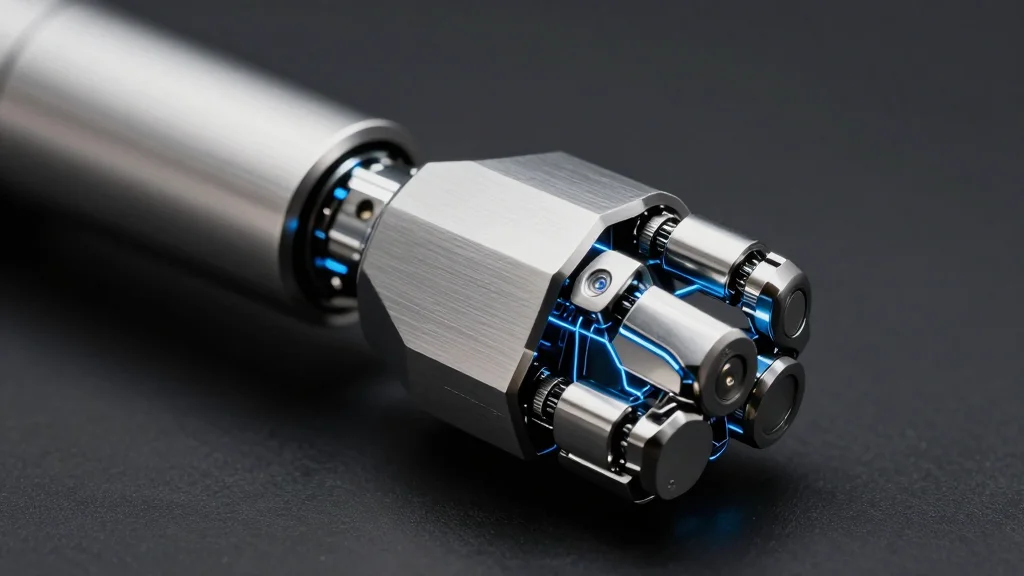
DARPA Issues RFI on Embedding Intelligence Into Robotic Materials
Why It Matters
Embedding intelligence at the material level could unlock autonomous systems that function where current robots fail, giving the defense sector a strategic edge in contested environments.
Key Takeaways
- •DARPA seeks materials that combine sensing, actuation, and compute.
- •Goal: eliminate latency from centralized processing in hostile settings.
- •RFI deadline May 27 2026; workshop invites top responders.
- •Focus on mission‑specific form factors, not human‑like designs.
- •Success could reduce power use and improve robot resilience.
Pulse Analysis
Robotic autonomy has long been limited by the need to shuttle data between sensors, processors, and actuators. DARPA’s latest Request for Information flips that paradigm by asking researchers to embed perception, decision‑making, and motion directly into the material substrate. By co‑locating sensing and compute at the point of interaction, future platforms can bypass high‑bandwidth links and the power‑hungry central CPUs that dominate today’s designs. This hardware‑centric approach promises sub‑millisecond reaction times, lower energy footprints, and a reduced attack surface—attributes essential for operations in GPS‑denied, contested environments.
The RFI zeroes in on two technical pillars: integrated actuation‑sensing composites and dynamic, adaptive closed‑loop compute. Imagine a soft‑skin that not only detects pressure but also reshapes itself in response, or a structural beam that runs a lightweight neural net to assess stress and self‑repair. Such capabilities could transform unmanned ground vehicles navigating rubble, underwater drones coping with communication blackouts, and even space probes that must survive months without ground control. Commercial sectors stand to gain as well, with smarter wearables, factory equipment, and medical devices that operate autonomously without cloud dependence.
Responses to the RFI are due by May 27, 2026, after which DARPA will convene an invite‑only workshop to refine the most promising concepts. Companies and university labs that can demonstrate a clear path from material science to functional prototypes will be positioned to receive early‑stage funding and influence the agency’s future research agenda. The initiative signals a broader shift toward “physical AI,” where intelligence is no longer a software layer but an intrinsic property of the robot’s body. Stakeholders that invest now may shape the next generation of resilient, low‑latency autonomous systems.
DARPA Issues RFI on Embedding Intelligence into Robotic Materials
Comments
Want to join the conversation?
Loading comments...