De-Escalating Iran War: Many Cooks, No Soup
Why It Matters
The deadlock underscores how close the conflict is to a broader regional escalation, threatening global energy markets and international legal norms.
Key Takeaways
- •Multiple ceasefire proposals rejected by Iran
- •Oman proposes Strait of Hormuz revenue sharing
- •UK convenes 41‑nation military planning summit
- •Trump threatens massive strikes, war‑crime accusations
- •Airman rescue keeps diplomatic channel open
Pulse Analysis
The current diplomatic landscape around the U.S.–Israeli‑Iran conflict is a patchwork of competing initiatives, each reflecting different strategic priorities. Pakistani, Egyptian and Turkish envoys drafted a 45‑day cease‑fire plan, only to see Tehran dismiss it as insufficient without guarantees against future attacks. Simultaneously, Oman has floated a novel approach: a regional fund financed by transit fees through the Strait of Hormuz, offering Iran a stake in the waterway’s economic flow while easing Gulf states’ security concerns. This proposal sidesteps direct U.S. involvement, highlighting Oman's role as a pragmatic mediator in a volatile theater.
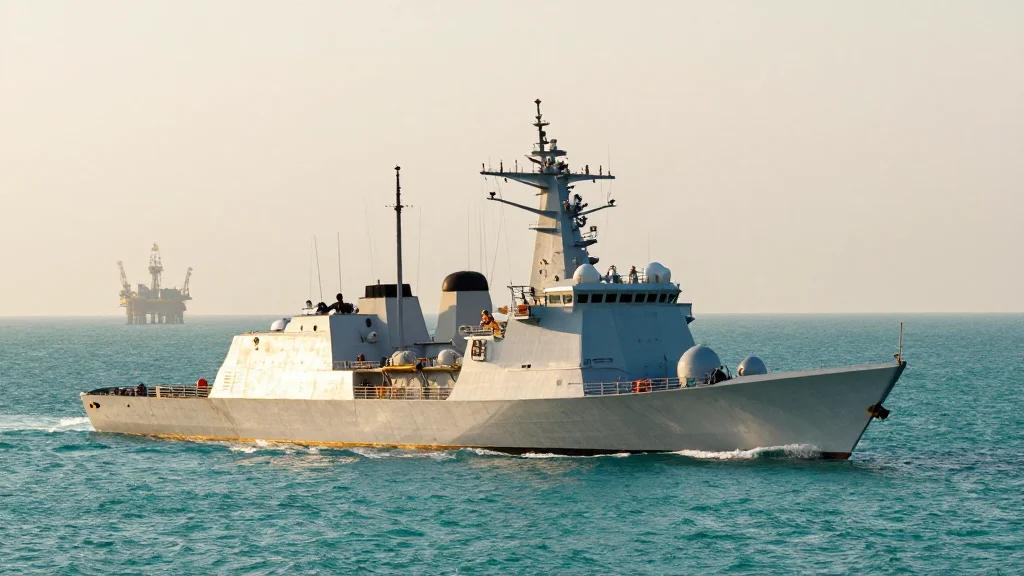
London’s response adds another layer of complexity. British Foreign Secretary Yvette Cooper organized a virtual summit of 41 nations, and Prime Minister Keir Starmer pledged to marshal military planners to safeguard the strait once hostilities subside. The UK’s independent effort signals a broader coalition willingness to address the chokepoint’s stability, a critical factor for global oil supplies that could be disrupted by prolonged fighting. By focusing on collective security and logistical continuity, the British initiative aims to create a fallback plan should U.S. negotiations stall.
Meanwhile, President Trump’s rhetoric escalates the risk of a wider war. His declaration of an imminent surge in strikes, coupled with threats to target civilian infrastructure, has drawn sharp rebukes from European leaders who label such actions potential war crimes. The heightened threat environment amplifies market volatility and raises the stakes for diplomatic actors. Yet the successful extraction of a U.S. airman from Iranian territory offers a rare diplomatic opening, suggesting that even amid chaos, limited confidence‑building measures can preserve a pathway to de‑escalation. Stakeholders must balance military pressure with urgent diplomatic outreach to prevent the conflict from spiraling into a global crisis.
De-escalating Iran war: Many cooks, no soup
Comments
Want to join the conversation?
Loading comments...