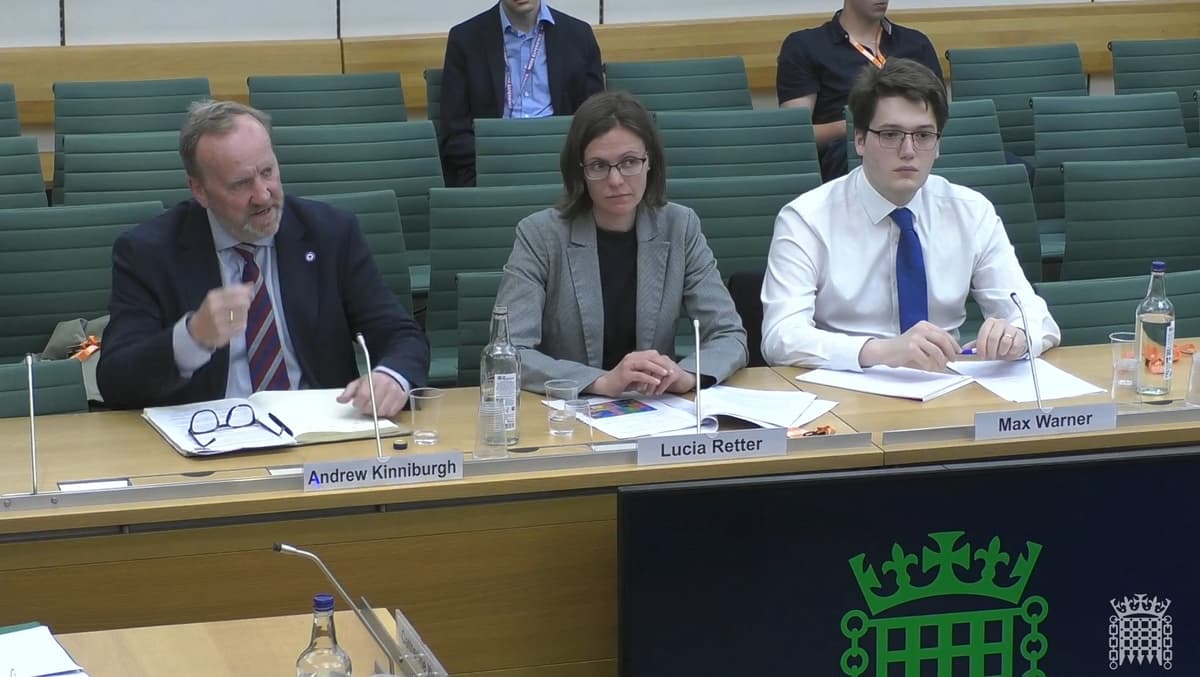
Defence Firms Being ‘De-Banked’, MPs Told
Key Takeaways
- •17% of UK defence firms report banking difficulties, up from 11%
- •No Defence Investment Plan stalls financing and talent recruitment
- •Targeting 3.5% GDP defence spend adds $38‑$51bn yearly
- •Proposed $2.3bn patent‑box shift could boost defence R&D
- •Upcoming steel tariff may raise procurement costs and delay projects
Pulse Analysis
The de‑banking of UK defence firms reflects a broader financing gap that threatens the sector’s ability to sustain production and innovate. As banks tighten credit on companies with weaker balance sheets, firms cite the missing Defence Investment Plan as a key uncertainty that deters both traditional lending and private‑equity inflows. This financing squeeze compounds existing skills shortages, especially for high‑pay, specialised roles such as nuclear‑rated welders, and forces companies to look abroad for labour, eroding the domestic talent pipeline.
Fiscal pressures intensify the dilemma. Raising defence spending from 2.6% to 3.5% of GDP translates into an additional $38‑$51 billion annually – roughly $635 per adult or $2,540 for a typical family of four. Funding this through efficiency gains alone is unrealistic; policymakers must consider modest tax hikes, reallocation of existing reliefs, or new financing tools. The suggested redirection of $2.3 billion from the pharmaceutical‑focused patent box into defence R&D, alongside wartime‑style innovation bonds, offers a targeted way to inject capital without overburdening taxpayers.
Beyond the balance sheet, strategic implications loom large. A looming 50% tariff on certain steel imports threatens to inflate procurement costs just as the Ministry of Defence seeks to modernise infrastructure. Meanwhile, the lack of a clear investment timeline pushes multinational contractors to weigh opportunities in Germany, Poland, the Baltics, or the United States over the UK. Aligning fiscal policy, procurement reform, and a transparent investment roadmap is essential to preserve the UK’s deterrent capability and the regional economies that rely on defence contracts.
Defence firms being ‘de-banked’, MPs told
Comments
Want to join the conversation?