Defense Watch: Space Acquisition, Naval Autonomy, FMS Deals, Drone Warhead
Companies Mentioned
Why It Matters
Accelerating autonomous platforms and domestic production strengthens U.S. strategic deterrence and reduces reliance on foreign supply chains, while leadership changes could reshape intelligence‑space priorities.
Key Takeaways
- •Roger Mason nominated to lead NRO, bringing intelligence community experience
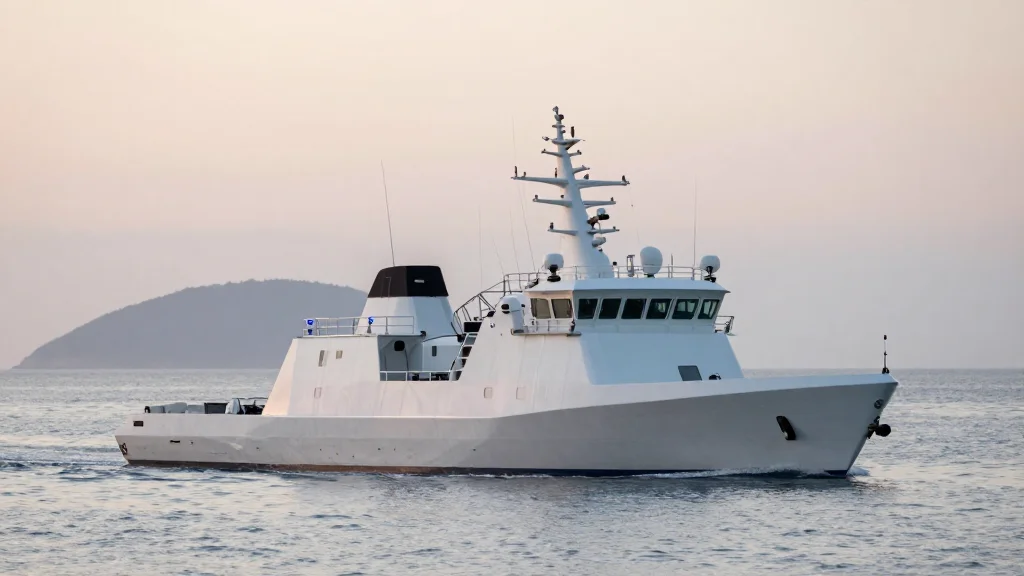
- •Magnet Defense partners with Hanwha to build 38‑m autonomous surface vessel
- •Navy plans 30 MUSVs and thousands of USVs in Indo‑Pacific by 2030
- •Skydio invests $3.5 billion to expand U.S. drone manufacturing and R&D
- •Pentagon achieves live‑fire of 3‑D‑printed Braker drone warhead in two weeks
Pulse Analysis
The Trump administration’s latest appointments signal a shift in how the United States will manage its space and intelligence assets. Roger Mason, a veteran of the Office of the Director of National Intelligence and chief growth officer at V2X, brings a data‑centric perspective to the NRO, potentially accelerating commercial‑tech integration. Meanwhile, Erich Hernandez‑Baquero’s pending confirmation as the Air Force’s space‑acquisition chief could streamline procurement pipelines for satellite constellations, reinforcing the Pentagon’s push for faster, more flexible space capabilities.
On the maritime front, the Navy’s roadmap for unmanned surface vessels reflects a broader doctrinal pivot toward AI‑driven autonomy. Magnet Defense’s joint venture with Hanwha to build a 38‑meter medium USV, combined with HII’s partnership with Applied Intuition on Warship OS, illustrates a concerted effort to embed machine‑learning decision layers from bow to stern. Anduril’s licensing deal with Kraken to produce modular K5 and K7 vessels further expands the pool of low‑cost, mass‑produced platforms, positioning the U.S. fleet to operate swarms of autonomous craft in contested Indo‑Pacific waters.
The commercial drone sector is also undergoing a transformation. Skydio’s $3.5 billion investment over five years will quintuple its U.S. manufacturing footprint, bolstering domestic supply chains and reducing reliance on overseas components. Coupled with the Navy’s $800 million ISR drone contract and the Pentagon’s rapid prototyping of the Braker drone‑delivered warhead—completed in just two weeks using 3‑D‑printed parts—the defense establishment is demonstrating a new agility in fielding cutting‑edge technologies. This convergence of autonomous maritime systems, expanded drone production, and streamlined acquisition processes is reshaping the U.S. defense industrial base for the next decade.
Defense Watch: Space Acquisition, Naval Autonomy, FMS Deals, Drone Warhead
Comments
Want to join the conversation?
Loading comments...