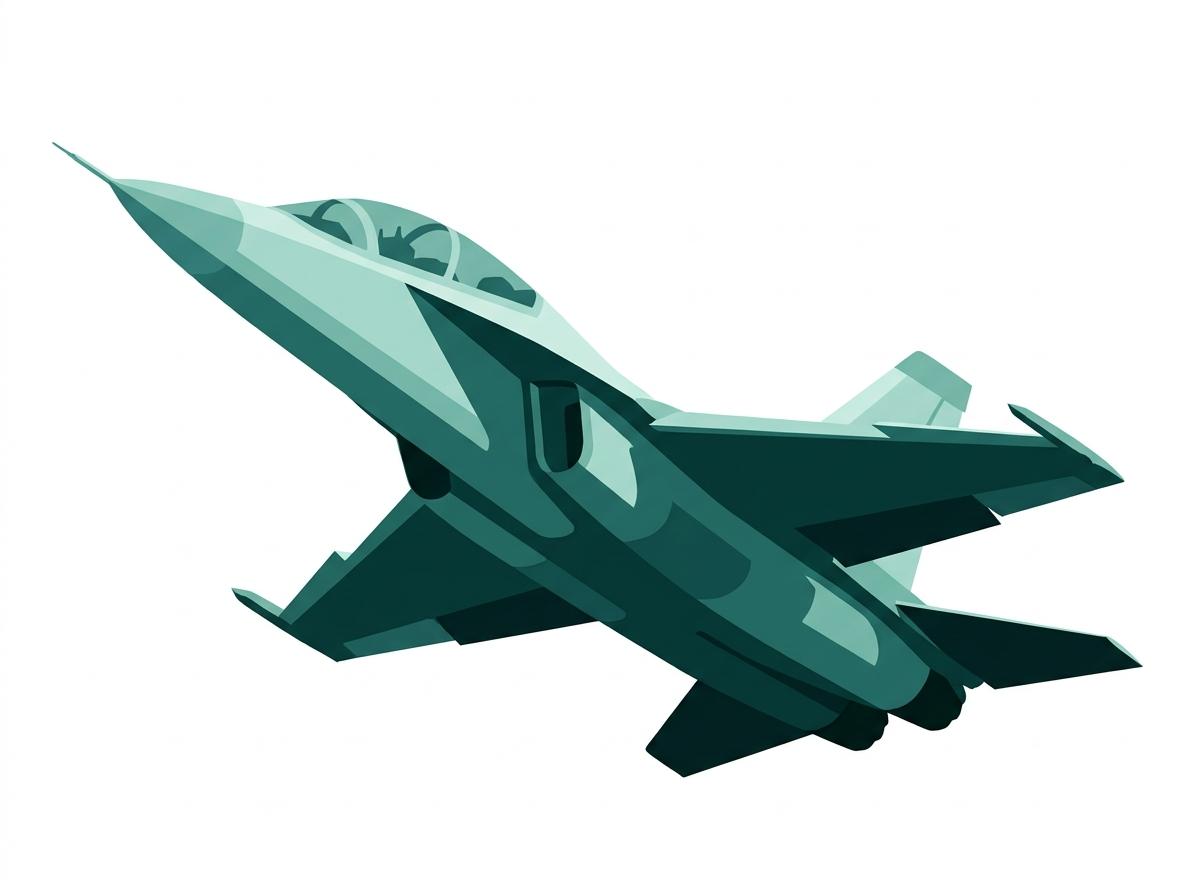
Demand Tracker: The Pakistan Air Force’s Air Training System Requirements
Companies Mentioned
Why It Matters
Without a modern LIFT, pilots must leap from basic trainers to sophisticated fighters, eroding the PAF’s training‑centric edge and limiting operational readiness as the fleet modernizes.
Key Takeaways
- •T‑37 and K‑8 trainers are decades old, lacking glass cockpits
- •No dedicated LIFT for 4.5th‑gen jet conversion
- •FT‑7P “Shooter Squadron” will retire, leaving a capability gap
- •L‑15B tested in 2023; contract negotiations with AVIC remain open
- •Training modernization is essential to sustain PAF’s historically high pilot effectiveness
Pulse Analysis
Pakistan’s Air Force has long leveraged rigorous pilot training as a force multiplier, a doctrine forged in the 1965 and 1971 wars when it faced numerically superior opponents. Today, the training fleet consists of the turboprop Super Mushshak for ab‑initio instruction, the aging Cessna T‑37 basic jet trainer, and the Hongdu K‑8 intermediate platform. While the Super Mushshak enjoys a modest glass‑cockpit upgrade, the T‑37 and K‑8 remain analog, unable to replicate the sensor suites, helmet‑mounted displays, and data‑link environments of the JF‑17 Block‑III and J‑10CE fighters now fielded by the PAF.
The core deficiency is the absence of a dedicated lead‑in fighter trainer (LIFT) that bridges the gap between the K‑8 and frontline fighters. Specifications outlined by Air Headquarters call for an afterburning engine, multi‑mode radar and tactical data‑link, though the afterburner requirement was later softened. The FT‑7P “Shooter Squadron” provided a temporary solution but its analog cockpit cannot simulate modern fighter workflows and is slated for retirement. Testing of the Chinese L‑15B in 2023 demonstrated performance parity, yet fiscal constraints and competing priorities—particularly air‑defence acquisitions—have prevented a binding contract, leaving the LIFT requirement in limbo.
The training shortfall has broader implications for Pakistan’s defence industry and regional security. A successful LIFT program would create a domestic supply chain for avionics upgrades, glass‑cockpit retrofits, and simulation systems, benefitting Pakistan Aeronautical Complex and potential export partners. Moreover, aligning pilot proficiency with the PAF’s network‑centric combat capabilities is critical to maintain its historical edge in asymmetric conflicts. Vendors offering cost‑effective, modular trainer platforms—such as the L‑15, M‑346 or a two‑seat JF‑17 variant—stand to gain a foothold, while the PAF must balance these acquisitions against its expanding air‑defence and missile programmes to preserve operational readiness.
Demand Tracker: The Pakistan Air Force’s Air Training System Requirements
Comments
Want to join the conversation?
Loading comments...