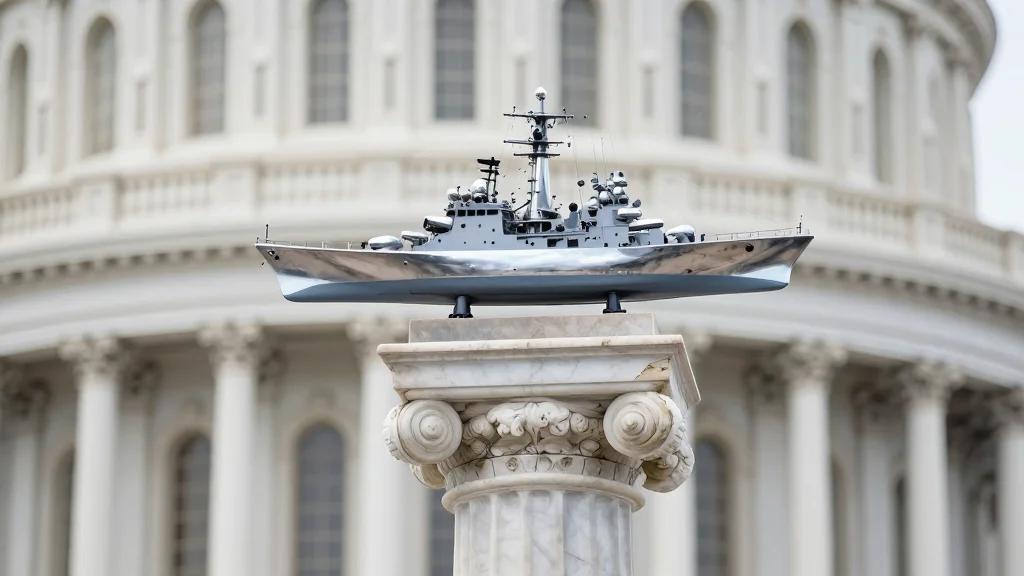
Dems Fly War Powers Banner without GOP Support
Why It Matters
The standoff highlights the limits of congressional checks on executive war‑making and underscores how geopolitical tension can quickly translate into macro‑economic risk for markets worldwide.
Key Takeaways
- •Democrats reintroduced war powers resolution targeting Trump’s Iran threats
- •No Republican senator publicly supports the resolution, citing troop safety
- •Senate Armed Services Committee remains split on a formal AUMF for Iran
- •U.S.-Iran diplomatic talks face uncertainty amid Trump’s mixed signals
- •IMF warns cut growth to 2% and raise inflation to 6%
Pulse Analysis
The latest war‑powers push reflects a familiar congressional dilemma: Democrats seek to reassert legislative authority over foreign‑policy decisions, while Republicans argue that formal constraints could hamper operational flexibility. Historically, attempts to limit presidential war powers have faltered without bipartisan backing, and the current effort is no exception. Senate leaders such as Roger Wicker and Jim Banks have dismissed the resolution, framing it as unnecessary and potentially dangerous for deployed troops. This partisan impasse underscores the broader struggle to balance national security imperatives with constitutional oversight.
Beyond Capitol Hill, the United States is navigating a complex diplomatic landscape in the Middle East. While Secretary of State Marco Rubio convenes Israeli‑Lebanese talks aimed at diluting Hezbollah’s influence, President Trump’s recent comments suggest a cautious approach to renewed U.S.–Iran negotiations in Pakistan. The mixed signals from the White House—supporting diplomatic channels yet resisting a 20‑year nuclear moratorium—add uncertainty to an already volatile region. Any escalation could trigger higher energy prices, supply‑chain disruptions, and heightened geopolitical risk premiums for investors.
The economic stakes are stark. The International Monetary Fund warned that an extended Iran conflict could shrink global GDP growth to roughly 2% and push inflation above 6%, pressures that would reverberate through emerging‑market economies and commodity markets. While the U.S. economy may absorb some shock, higher oil and food costs could erode consumer spending and tighten monetary policy. Investors should monitor congressional developments, diplomatic breakthroughs, and IMF forecasts as key indicators of both political resolution and market volatility.
Dems fly war powers banner without GOP support
Comments
Want to join the conversation?
Loading comments...