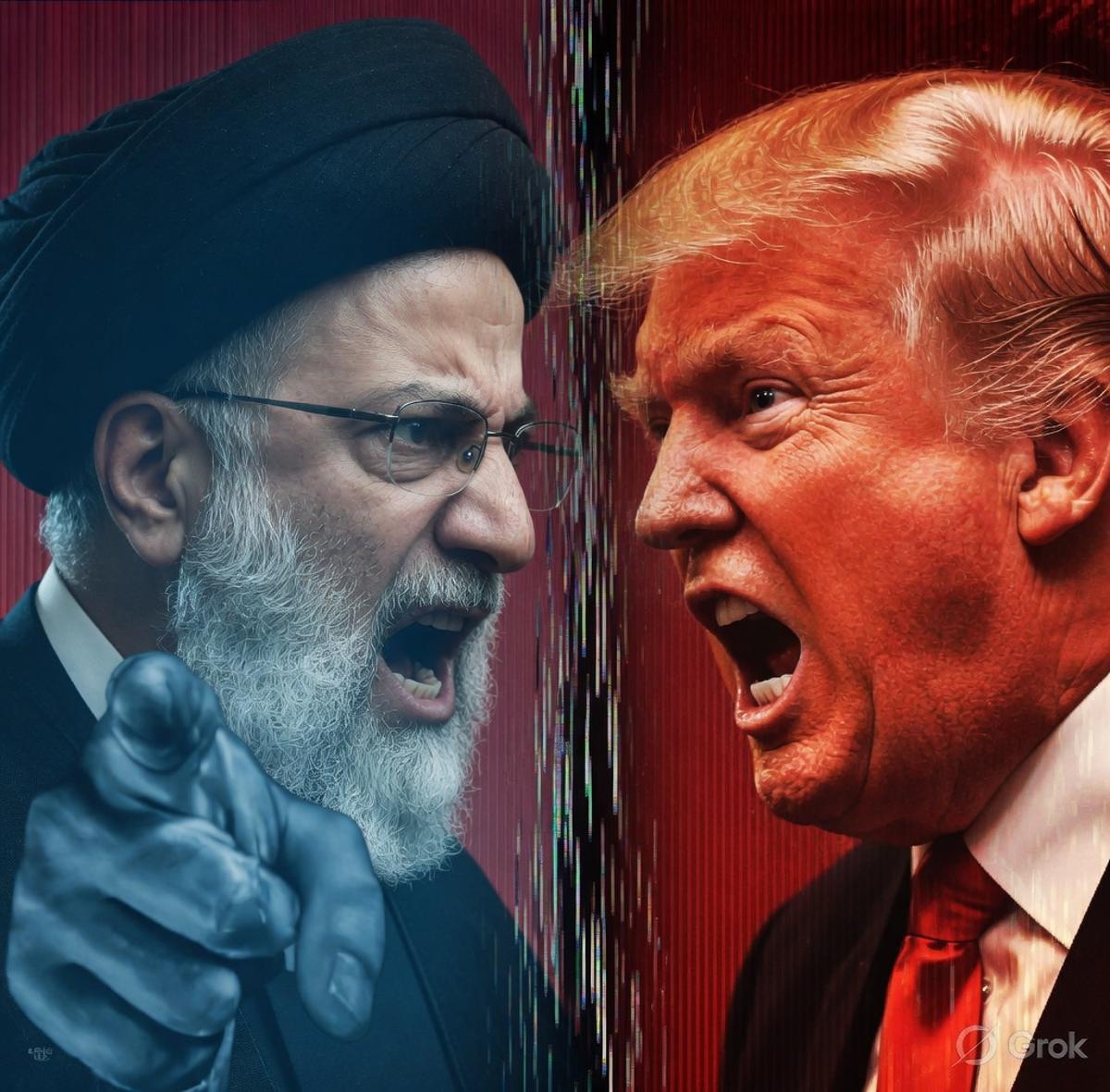
“‘Designed To Fail’: Ex-Ambassador Exposes Real Reason Why U.S-Iran Peace Talks Collapsed in Islamabad
Why It Matters
The failure underscores the limits of high‑profile, rushed diplomacy in resolving U.S.–Iran tensions, risking energy security and stability in the Middle East.
Key Takeaways
- •U.S. sent Vice President Vance, not career diplomats, to Islamabad
- •No back‑room diplomats managed quiet negotiations, increasing public pressure
- •Iranian delegation included Speaker of Parliament and Foreign Minister, but lacked convergence
- •Talks lasted only 21 hours, insufficient for complex nuclear and missile issues
- •Public media focus turned negotiations into theatrical display, not substantive dialogue
Pulse Analysis
The United States and Iran have a long history of intermittent dialogue, from the 1980‑81 Algiers hostage talks to the 2015 Joint Comprehensive Plan of Action. Those successes were built on patient, behind‑the‑scenes diplomacy where seasoned envoys could explore red lines away from the glare of headlines. By contrast, the Islamabad meeting abandoned that playbook, opting for a headline‑driven, top‑down approach that left little room for the incremental confidence‑building essential to any breakthrough.
In Islamabad, the decision to dispatch Vice President J.D. Vance as the lead negotiator signaled political intent but also exposed a critical gap: the absence of career diplomats skilled in crisis mediation. Without a dedicated back‑room team, contentious topics—such as Iran’s nuclear enrichment and ballistic‑missile program—were thrust onto a single, 21‑hour session. The Iranian delegation, though politically heavyweight, arrived without a pre‑negotiated framework, resulting in a stalemate where both sides presented maximalist demands and no clear path to convergence. Media saturation further eroded the subtlety needed for delicate give‑and‑take, turning the talks into a theatrical event rather than a substantive negotiation.
The collapse carries broader ramifications. The Strait of Hormuz, a chokepoint for global oil shipments, remains a flashpoint that could amplify any escalation between Washington and Tehran. A failed diplomatic overture risks pushing both parties toward more coercive postures, unsettling markets and prompting regional actors to recalibrate their strategies. For policymakers, the lesson is clear: future U.S.–Iran engagements must re‑embrace layered diplomacy, empower experienced negotiators, and prioritize low‑key confidence‑building before elevating discussions to the public stage, thereby improving the odds of a durable, peace‑building outcome.
“‘Designed To Fail’: Ex-Ambassador Exposes Real Reason Why U.S-Iran Peace Talks Collapsed in Islamabad
Comments
Want to join the conversation?
Loading comments...