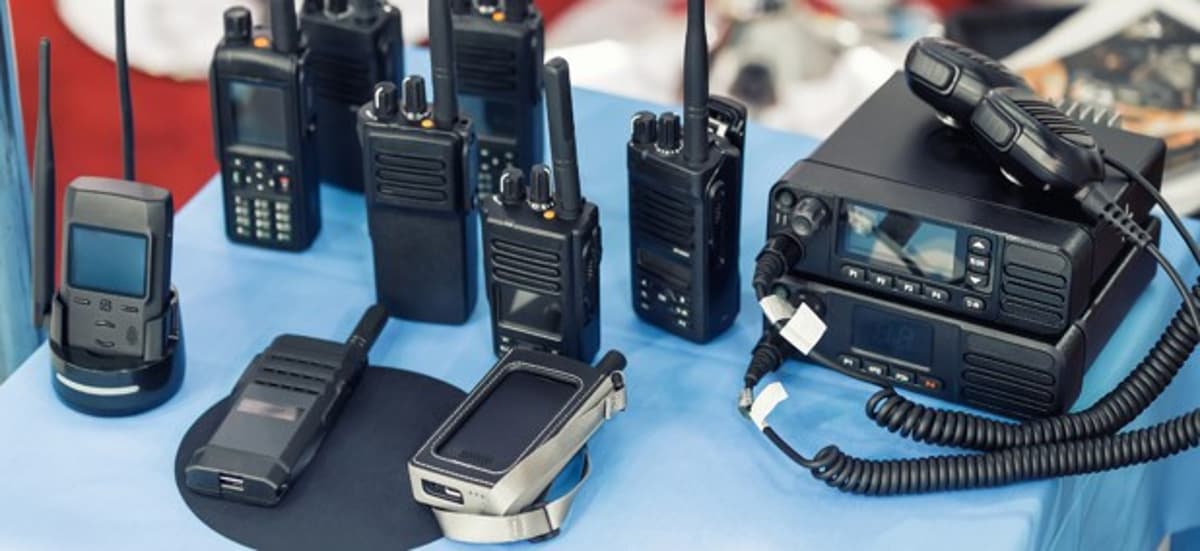
DHS Preps Industry for Communications Equipment Recompete
Companies Mentioned
Why It Matters
The $3 billion contract shapes the U.S. public‑safety communications market, influencing vendor positioning and national security readiness. Its renewal will drive significant procurement spending and set technology standards for federal and allied agencies.
Key Takeaways
- •DHS plans to release TACTICS solicitation on Aug. 3, 2026.
- •Current TACCOM II contract has $1.8 B obligated, ends May 2027.
- •TACTICS will cover radios, satellite, maritime, airborne, sensor equipment.
- •Services include maintenance, installation, spectrum support, and project management.
- •Top vendors: Tribalco, Motorola Solutions, Chartis, CACI, ACG Systems.
Pulse Analysis
The Homeland Security Department’s communications procurement program has become a cornerstone of the federal equipment supply chain, channeling billions of dollars into radios, satellite links, and related infrastructure. By consolidating demand across multiple agencies, the TACCOM II contract has created a predictable market for manufacturers while ensuring interoperability for first responders and law‑enforcement units. The $1.8 billion already obligated reflects both the scale of the operation and the urgency of modernizing legacy gear in an increasingly contested electromagnetic environment.
The upcoming TACTICS solicitation expands the scope of the program, introducing two distinct technical categories: equipment—ranging from handheld radios to maritime and airborne sensor suites—and services, which cover everything from installation to spectrum management. By integrating the TechOps II requirements, DHS aims to streamline procurement, reduce administrative overhead, and align investigative surveillance tools with broader tactical communications capabilities. The August 3 release date gives vendors a clear timeline, while the projected Q3 award window signals a rapid transition to the next five‑year contract period.
For industry players, the renewal represents both opportunity and pressure. Established contractors such as Motorola Solutions and CACI will likely leverage existing performance data to secure follow‑on work, but the open competition invites new entrants with innovative, low‑cost solutions. The contract’s size and its role in national security mean that compliance, cybersecurity, and supply‑chain resilience will be scrutinized more closely than ever. As the DHS prepares to award the new contract, the broader market will watch for shifts in pricing, technology adoption, and the strategic partnerships that emerge to meet the government’s evolving communication needs.
DHS preps industry for communications equipment recompete
Comments
Want to join the conversation?
Loading comments...