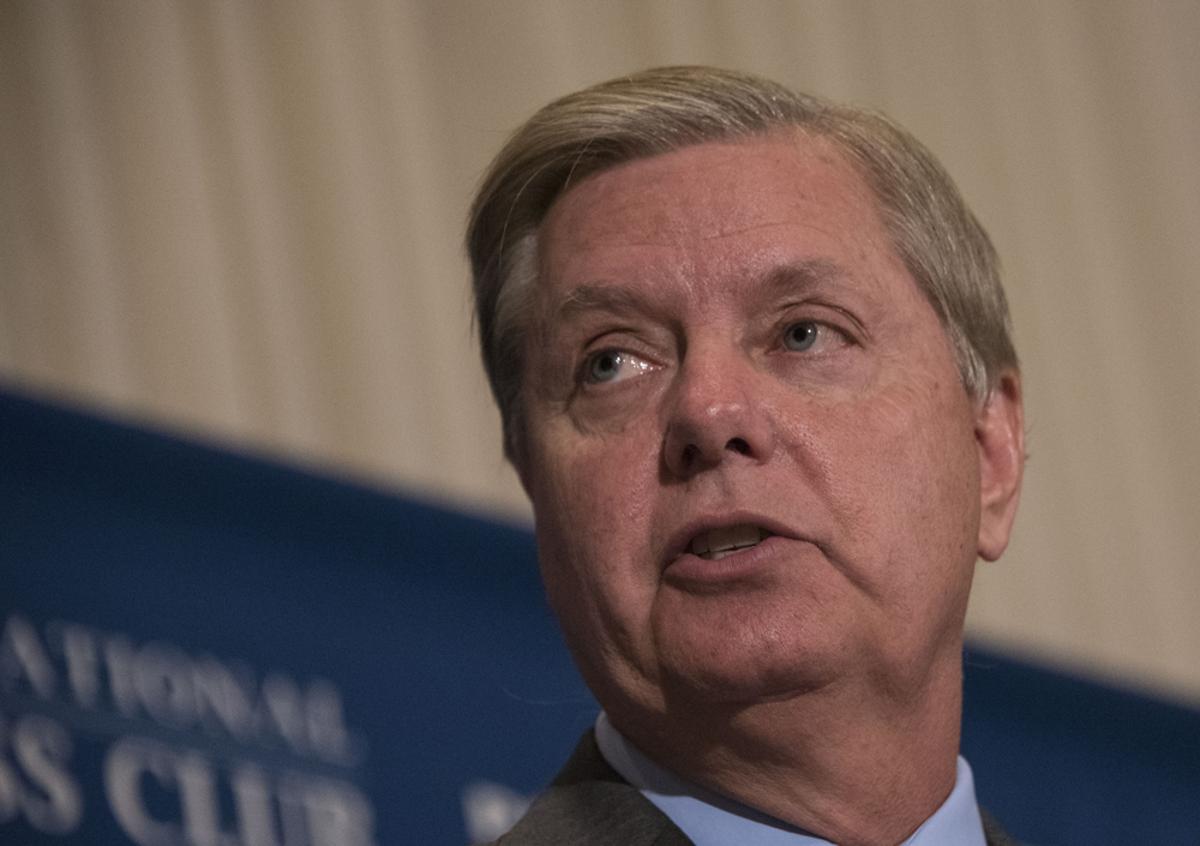
Did Pakistan Secretly Aid Iran During US Talks? Trump Ally Lindsey Graham Says Mediator Role May Need 'Complete Re-Evaluation'
Why It Matters
Pakistan’s alleged assistance to Iran could undermine US diplomatic leverage and complicate military options, reshaping regional power dynamics and the credibility of mediation efforts.
Key Takeaways
- •CBS report alleges Iranian aircraft stationed at Pakistan's Nur Khan base
- •Graham calls for reevaluating Pakistan's mediator status in US-Iran talks
- •Pakistan's defense minister previously labeled Israel 'evil,' raising neutrality concerns
- •Trump deems US ceasefire proposal weak; Iran demands full concessions
- •Pakistani support could limit US strike options against Iranian assets
Pulse Analysis
The controversy surrounding Pakistan’s alleged facilitation of Iranian aircraft highlights a broader tension in US‑South Asia relations. Historically, Washington has relied on Islamabad as a conduit for dialogue with Tehran, hoping to leverage Pakistan’s geographic proximity and diplomatic channels. However, reports that Iran moved reconnaissance planes to Nur Khan Air Base suggest a possible quid‑pro quo, where Pakistan may be shielding Iranian assets in exchange for political goodwill. This development forces US policymakers to weigh the risks of continued engagement against the potential loss of a critical regional interlocutor.
Beyond the immediate diplomatic fallout, the episode underscores the fragility of multilateral mediation in a conflict marked by deep mistrust. Iran’s non‑negotiable demands—ending hostilities, compensation for war damages, and control over the Strait of Hormuz—contrast sharply with the US’s tentative cease‑fire proposal, which President Trump has publicly criticized as insufficient. If Pakistan’s neutrality is compromised, Tehran could gain a strategic safe haven, complicating US efforts to enforce sanctions or conduct precision strikes without risking escalation with a nuclear‑armed neighbor.
For investors and analysts, the geopolitical ripple effects could influence energy markets and defense spending. A destabilized mediation process may prolong uncertainty over oil flows through the Hormuz corridor, potentially nudging Brent crude higher. Simultaneously, heightened US scrutiny of Pakistan could trigger shifts in military aid and procurement, affecting regional defense contractors. Stakeholders should monitor official statements from both Washington and Islamabad for signs of policy recalibration, as any change in mediator status could reshape the strategic calculus across South Asia and the Middle East.
Did Pakistan Secretly Aid Iran During US Talks? Trump Ally Lindsey Graham Says Mediator Role May Need 'Complete Re-Evaluation'
Comments
Want to join the conversation?
Loading comments...