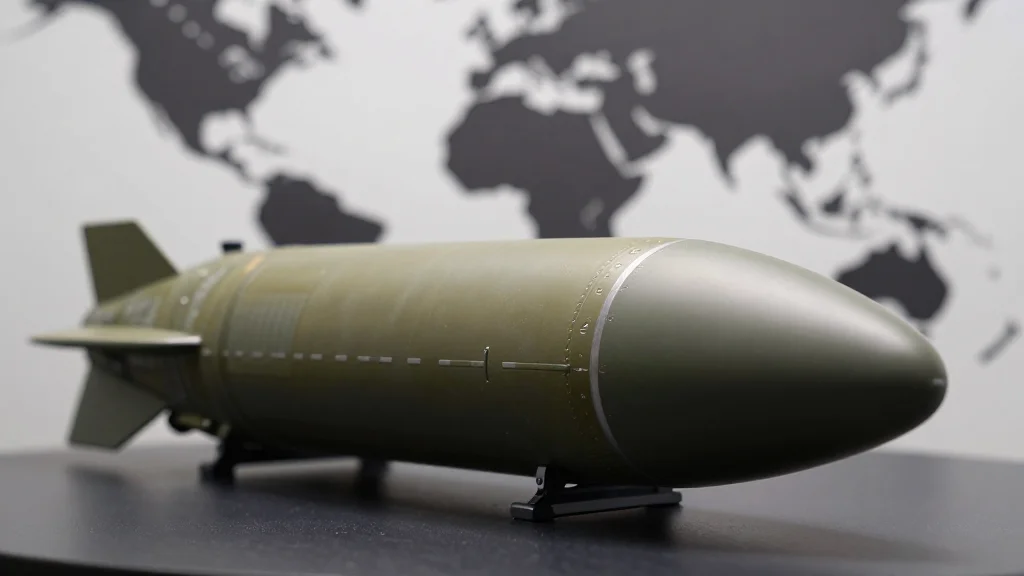
Diplomats Prepare for Difficult Nonproliferation Treaty Conference
Why It Matters
The conference’s outcome will shape global non‑proliferation norms at a time when major powers are re‑arming, influencing security calculations and arms‑control negotiations for years to come.
Key Takeaways
- •NPT Review Conference faces consensus hurdles amid US‑China tensions
- •US budget proposes $5.6B for Sentinel ICBM and $15.5B for Columbia submarines
- •France and Germany create high‑level nuclear steering group for joint deterrence
- •Trump threatens to resume nuclear testing, challenging Comprehensive Test Ban moratorium
- •DOE opens public comment on expanding plutonium pit production, 50 pits/year plan
Pulse Analysis
The 2026 Nonproliferation Treaty (NPT) Review Conference arrives at a crossroads of geopolitical strain and treaty fatigue. With the United States signaling a willingness to resume nuclear testing—a direct challenge to the Comprehensive Test Ban Treaty—its stance threatens to erode decades‑long moratoriums that have underpinned strategic stability. At the same time, China’s covert expansion of its nuclear stockpile and France’s increased arsenal underscore a broader erosion of the disarmament momentum that the NPT once promised. For policymakers and investors, understanding how these dynamics could reshape risk assessments for defense contractors and energy firms is essential.
Budgetary signals from Washington further amplify the stakes. The Trump administration’s $1.5 trillion defense request allocates $5.6 billion to the Sentinel ICBM and $15.5 billion to the Columbia‑class ballistic‑missile submarine, reflecting a renewed emphasis on modernizing the nuclear triad. Such spending not only fuels domestic industrial bases but also signals to allies and rivals that the U.S. is prepared to sustain, if not expand, its strategic deterrent. Analysts should watch how these investments intersect with emerging technologies—particularly AI‑driven command‑and‑control systems—and the ongoing congressional debate over human‑in‑the‑loop safeguards.
European actors are not standing still. France and Germany have launched a high‑ranking nuclear steering group to coordinate deterrence efforts, including joint exercises and shared early‑warning capabilities. This initiative, while framed as complementary to NATO, hints at a more integrated European security architecture that could influence future burden‑sharing discussions. Coupled with the DOE’s invitation for public comment on expanding plutonium pit production, the landscape suggests a multi‑front push toward both capability enhancement and regulatory scrutiny. Stakeholders must therefore balance the commercial opportunities of a revitalized nuclear sector against the diplomatic risk of a fragmented non‑proliferation regime.
Diplomats Prepare for Difficult Nonproliferation Treaty Conference
Comments
Want to join the conversation?
Loading comments...