Dispatch From Vilnius: Warfare Is Evolving Rapidly. Here’s How NATO Can Keep Up.
Why It Matters
These gaps erode NATO’s credibility and could embolden aggression, making swift reforms essential for European security.
Key Takeaways
- •Russia outproduces many European nations in artillery rounds
- •NATO’s 32‑nation consensus slows rapid capability deployment
- •AI‑enabled ISR shortens sensor‑to‑shooter timelines
- •Affordable counter‑drone solutions needed against high‑volume swarms
- •Scaling defense industrial base is decisive for sustained conflict
Pulse Analysis
The Ukraine conflict has laid bare a paradox in modern warfare: high‑end platforms are still vital, yet the decisive factor is the ability to generate firepower quickly and sustain it. Russia’s ability to churn out artillery shells at a rate that dwarfs most European producers highlights a strategic imbalance. For NATO, this means that deterrence can no longer rely solely on sophisticated hardware; it must be underpinned by a robust, scalable supply chain that can keep pace with high‑intensity operations.
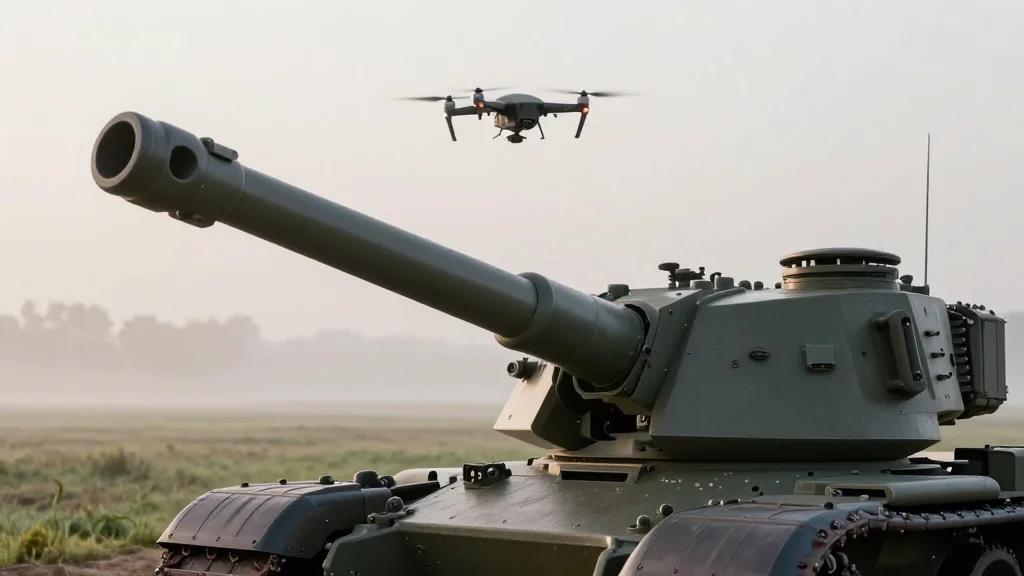
At the same time, technology has democratized the battlefield. Commercial satellites, off‑the‑shelf drones and AI‑driven analytics have collapsed the sensor‑to‑shooter loop, allowing near‑real‑time targeting. Ukraine’s improvisational “Frankenstein” systems demonstrate how low‑cost, adaptable solutions can thrive in contested electronic environments. This shift forces militaries to rethink command structures, moving human operators from planners to validators, and raises new challenges for escalation control and the laws of war.
NATO’s response must be multidimensional. Integrating ISR, command‑and‑control and strike assets across allies will close the response gap, while layered, scalable air and missile defenses can absorb sustained attacks. Affordable counter‑drone capabilities are essential to neutralize swarms that cheap systems can field. Most importantly, the alliance must transform its defense industrial base to produce and replenish materiel at warfighting tempos, backed by decisive political will. Speed, unity and execution will determine whether NATO can maintain credible deterrence in an era where warfare evolves faster than ever.
Dispatch from Vilnius: Warfare is evolving rapidly. Here’s how NATO can keep up.
Comments
Want to join the conversation?
Loading comments...