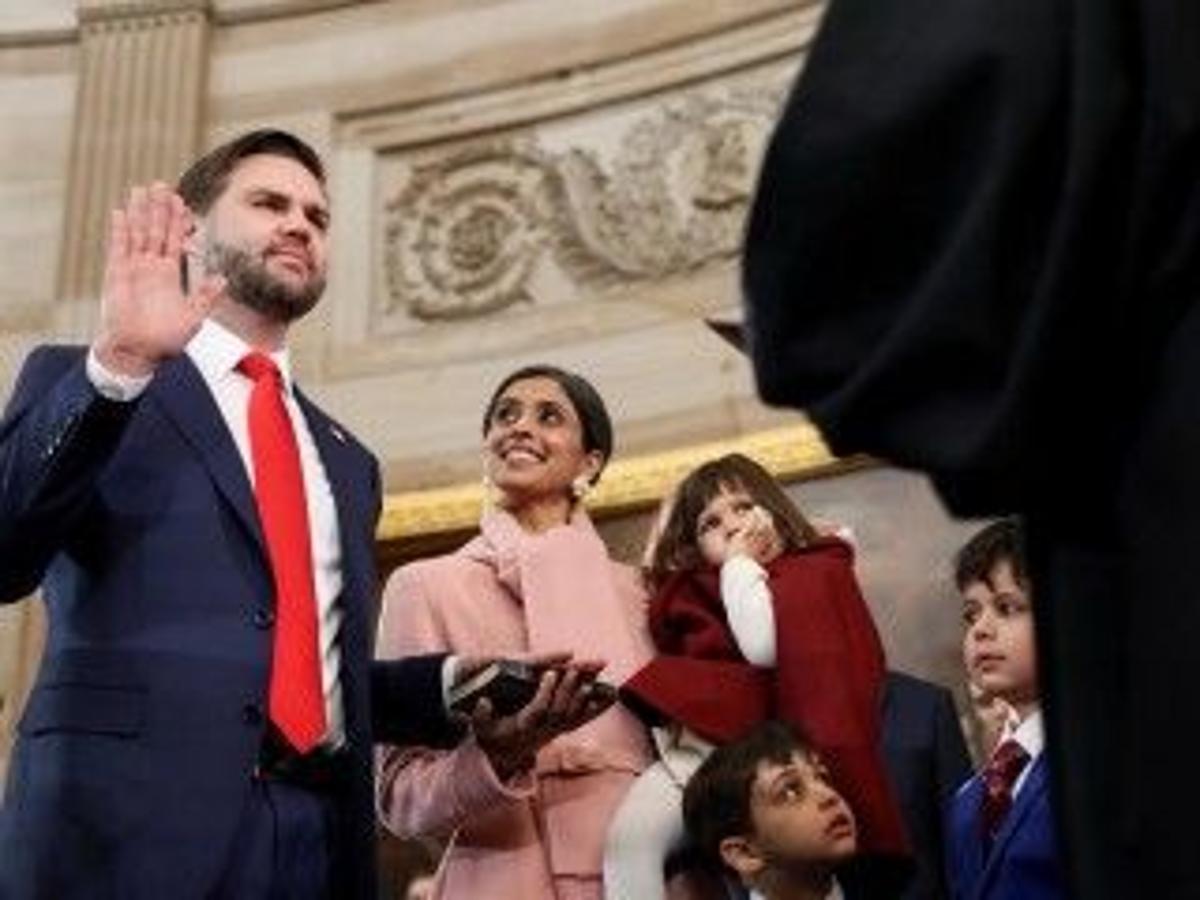
Dispute Within the Pentagon over Ukraine and the U.S. Army
Why It Matters
The discord signals potential shifts in congressional funding debates and could influence the consistency of U.S. military assistance to Ukraine, while also reflecting tensions over Army leadership decisions.
Key Takeaways
- •Vance praised ending Ukraine aid as a major administration win
- •Army Secretary Driscoll lauded Ukrainian innovation and continued U.S. support
- •Driscoll defended dismissed Army Chief General Randy George despite civilian removal
- •Split underscores uncertainty for future defense budgeting and Ukraine assistance
Pulse Analysis
The public disagreement between Vice President JD Vance and Army Secretary Dan Driscoll underscores a broader ideological split within the Pentagon and the broader administration. Vance’s praise for cutting off Ukraine aid aligns with a growing isolationist current that questions the strategic value of sustained European engagements. By framing the aid halt as a hallmark of the current term, he signals to his conservative base that fiscal restraint and a focus on domestic priorities are paramount, even at the risk of weakening a key front‑line ally.
In contrast, Driscoll’s remarks during a House Appropriations hearing highlighted Ukraine’s rapid adaptation and technological ingenuity, positioning the conflict as a live laboratory for modern warfare. His endorsement of continued U.S. support reflects a traditional defense‑industry perspective that sees Ukraine as a bulwark against Russian aggression and a source of valuable lessons for American forces. Moreover, Driscoll’s public respect for the ousted Army Chief General Randy George reveals lingering loyalty within the military hierarchy, suggesting that civilian leadership decisions—such as Secretary Pete Hegseth’s abrupt dismissal—may be creating friction between elected officials and career officers.
The split has tangible policy implications. Congressional committees will likely scrutinize future defense appropriations more closely, weighing Vance’s fiscal arguments against Driscoll’s security rationale. Uncertainty over Ukraine aid could affect procurement contracts, joint training programs, and the broader strategic posture of NATO allies. Simultaneously, the leadership controversy may prompt a review of the Army’s succession protocols, influencing morale and the chain of command. Stakeholders—from defense contractors to allied governments—must monitor these dynamics as they could reshape funding streams and operational priorities for years to come.
Dispute within the Pentagon over Ukraine and the U.S. Army
Comments
Want to join the conversation?
Loading comments...