DLA CIO: Securing AI Pipelines Is Now a Core Mission
Why It Matters
Compromised AI pipelines could disrupt logistics and jeopardize mission readiness; DLA’s focus strengthens national security and sets a precedent for government AI security.
Key Takeaways
- •DFARS contracts now require subcontractor cybersecurity compliance
- •AI logistics pipelines become DLA’s top cybersecurity priority
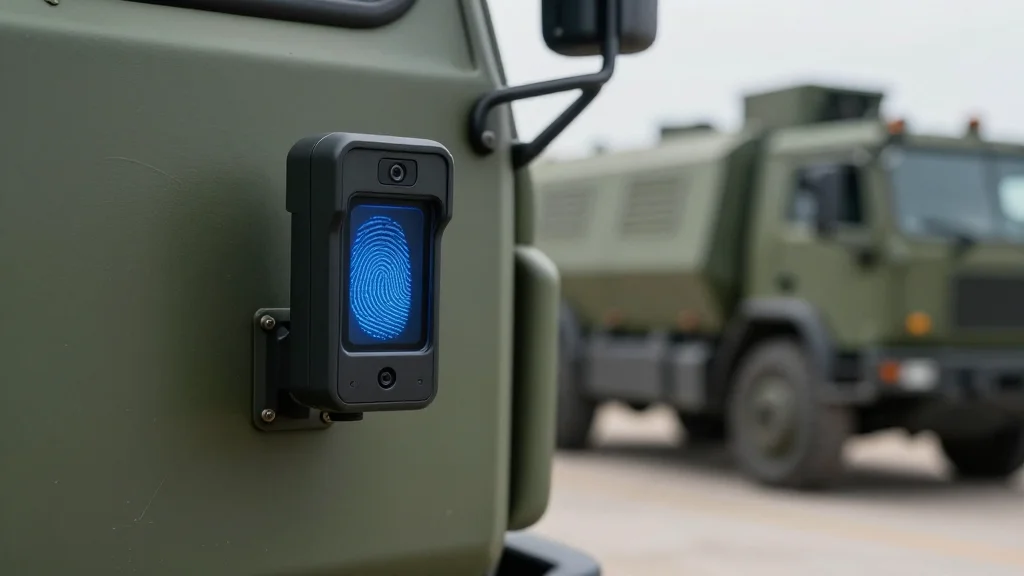
- •Zero‑trust architecture and MFA form the foundation of protection
- •Cloud‑native defenses integrated across Department of Defense
- •Small supplier security emphasized to reduce supply‑chain risk
Pulse Analysis
The Defense Logistics Agency (DLA) is rapidly embedding artificial intelligence into its logistics planning and operational decision‑making. AI models accelerate demand forecasting, route optimization, and inventory allocation across a sprawling network of suppliers that support U.S. forces worldwide. However, the same data streams that power these efficiencies also present a lucrative attack surface for nation‑state actors and cybercriminals seeking to disrupt military supply chains. By elevating AI pipeline security to a core mission, DLA acknowledges that protecting the integrity of data inputs is as critical as safeguarding the models themselves.
To operationalize this priority, DLA is leveraging the Defense Federal Acquisition Regulation Supplement (DFARS) to embed cybersecurity clauses directly into contracts. Prime contractors must now certify that every subcontractor meets federal cyber standards, creating a contractual chain of accountability that extends to the smallest vendors. On the technical front, the agency is adopting the Department of Defense’s zero‑trust architecture, which assumes no user or device is inherently trustworthy. Multifactor authentication, continuous identity verification, and micro‑segmentation are combined with cloud‑native security services, allowing DLA to inherit built‑in protections from commercial platforms while applying uniform policy controls across all environments. This layered approach reduces the risk of credential theft and lateral movement within the network.
The implications reach beyond the Pentagon. As more federal agencies and private enterprises adopt AI for mission‑critical functions, DLA’s framework offers a replicable blueprint for securing AI pipelines at scale. Emphasizing supplier security forces the broader industrial base to elevate its cyber hygiene, potentially raising the overall resilience of the national supply chain. Moreover, the zero‑trust and MFA standards championed by DLA are likely to influence future regulatory guidance, shaping how AI‑driven decision systems are protected across sectors. In a landscape where data integrity directly impacts operational effectiveness, DLA’s proactive stance may become a benchmark for government and industry alike.
DLA CIO: Securing AI Pipelines Is Now a Core Mission
Comments
Want to join the conversation?
Loading comments...