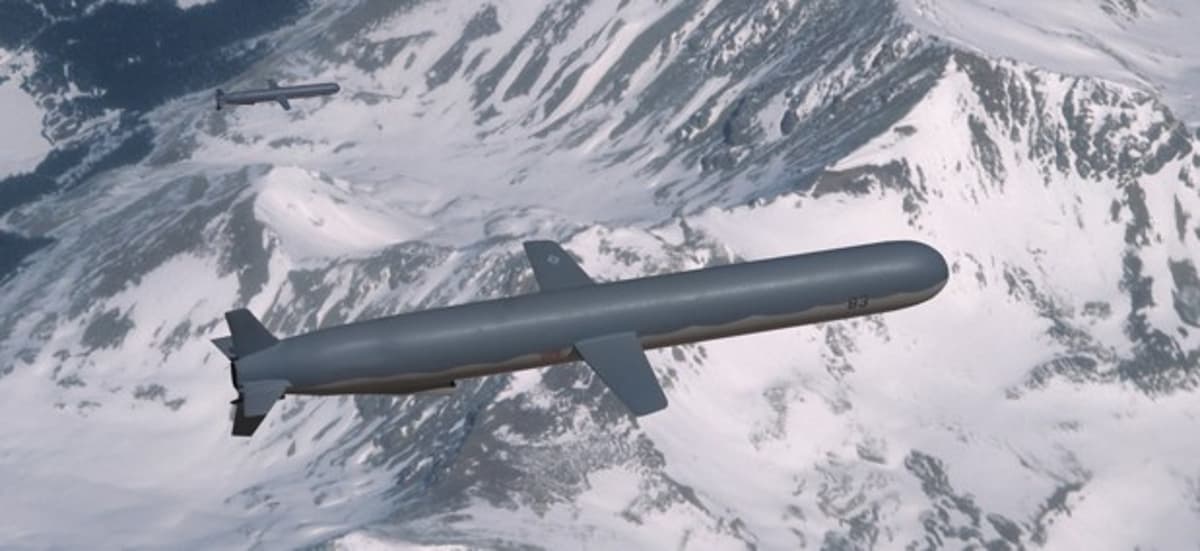
DOD Builds Framework for Faster Development and Deployment of Cruise Missiles
Companies Mentioned
Why It Matters
Accelerating low‑cost missile production bolsters U.S. deterrence while reshaping defense procurement, creating new market opportunities for innovative firms and reducing reliance on legacy suppliers.
Key Takeaways
- •DOD partners with four new entrants for low‑cost cruise missiles
- •Production of containerized missiles targeted to begin in 2027
- •Castelion’s Blackbeard missile to receive 500‑plus annual orders
- •Framework agreements signal shift toward faster, demand‑driven acquisition
- •Expanded industrial base aims to surge missile supply when needed
Pulse Analysis
The Pentagon’s recent framework agreements underscore a broader push to modernize its acquisition processes. By embracing the Acquisition Transformation Strategy, the DOD seeks to cut red tape, align funding with clear demand signals, and invite non‑traditional defense firms into the supply chain. This approach mirrors trends in other high‑tech sectors where rapid prototyping and iterative testing have become the norm, allowing the military to field capabilities faster and at lower cost.
The Low‑Cost Containerized Missiles program brings together Anduril, CoAspire, Leidos and Zone 5, each offering distinct expertise in autonomous systems, advanced manufacturing, and modular design. Containerization promises easier transport, storage and integration with existing launch platforms, while the emphasis on cost reduction could make cruise missiles more accessible for a wider range of missions. Production slated for 2027 suggests a compressed development timeline, leveraging early‑stage testing this spring to validate performance and accelerate the move from prototype to serial production.
Strategically, these moves expand the U.S. munitions industrial base, reducing vulnerability to supply chain disruptions and fostering competition that can drive innovation. The Blackbeard contract with Castelion, with a baseline order of 500 missiles per year, signals confidence in emerging technologies that could complement or replace legacy systems like the Tomahawk. However, integrating new entrants poses challenges in quality assurance, cybersecurity and lifecycle support. If managed effectively, the DOD’s strategy could set a new benchmark for rapid, cost‑effective weapons development across the defense sector.
DOD builds framework for faster development and deployment of cruise missiles
Comments
Want to join the conversation?
Loading comments...