DOD Seeks to Quell Weapons Concerns, as White House Crafts Iran Supplemental
•March 4, 2026
0
Why It Matters
The assurance of ample munitions underpins continued U.S. kinetic pressure on Iran, while supplemental funding and industrial‑base deals signal a strategic shift toward a more resilient weapons supply chain.
Key Takeaways
- •Pentagon reports unlimited stand‑in weapons stockpile
- •Shift from precision to cheaper stand‑in munitions
- •White House drafting supplemental Iran operations funding
- •Multiyear contracts aim to triple Patriot interceptor output
- •Equity stake in L3Harris raises competition concerns
Pulse Analysis
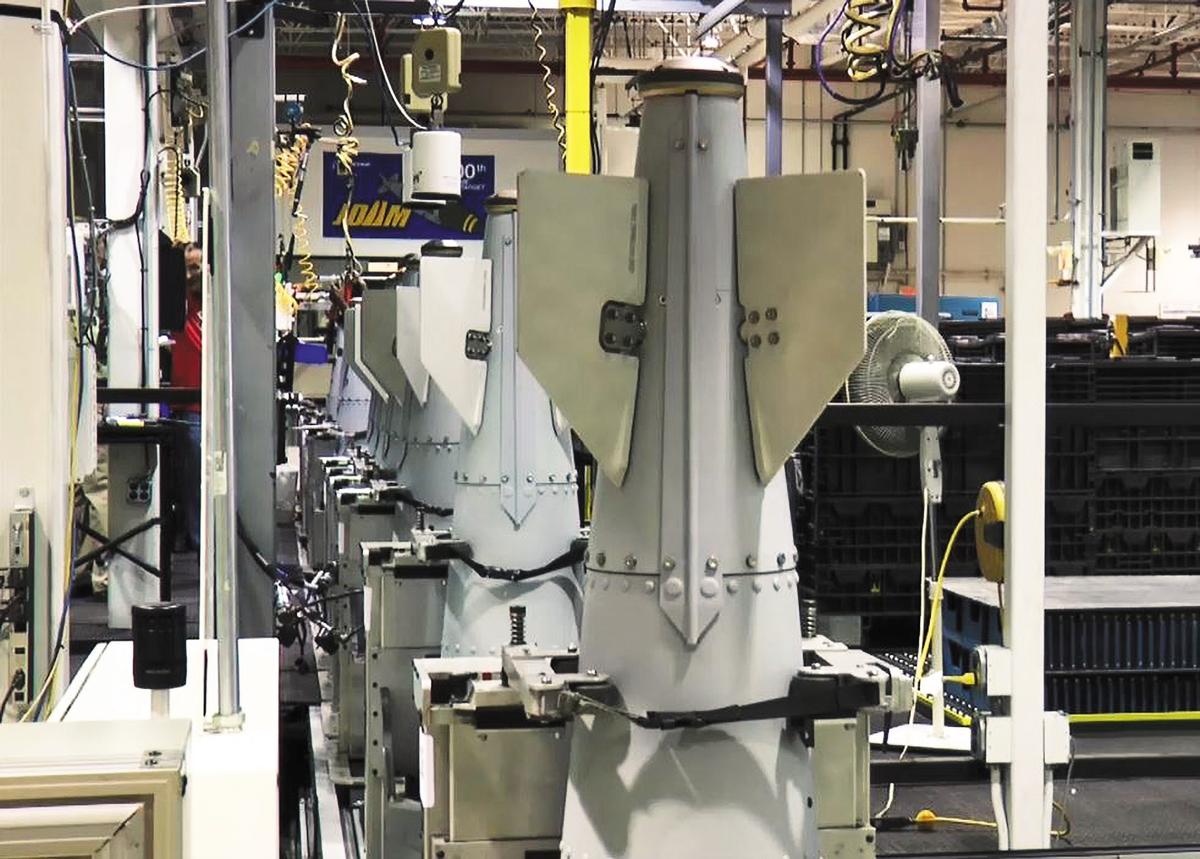
The early phase of the Iran conflict saw U.S. forces relying heavily on precision‑guided standoff munitions, a high‑cost arsenal designed to neutralize sophisticated air defenses. As those systems were expended, senior defense leaders announced a deliberate transition to stand‑in weapons like JDAMs, which are less expensive and can be employed in larger volumes. This tactical shift reflects confidence that Iran’s integrated air‑defense network has been sufficiently degraded, allowing the United States to maintain a relentless strike cadence without risking a shortfall in high‑value ordnance.
Beyond the battlefield, the Pentagon is fortifying its industrial base to prevent future supply constraints. Recent multiyear agreements with Lockheed Martin will triple annual production of Patriot PAC‑3 interceptors and quadruple THAAD units, while RTX’s contract expands output of AMRAAMs, Tomahawks, and Standard Missiles. Additionally, a $1 billion minority investment in L3Harris’ solid‑rocket motor division provides the department with a financial stake that incentivizes private‑sector scaling. These moves are designed to deliver a stable demand signal, lower taxpayer costs, and ensure a resilient supply chain capable of supporting prolonged operations.
Politically, the assurance of abundant munitions and the pursuit of supplemental funding underscore the administration’s commitment to a sustained campaign, even as congressional members scrutinize the Pentagon’s equity purchases. Critics warn that government stakes could distort competition among defense contractors, potentially stifling innovation. Nonetheless, officials argue that the investment framework safeguards national security by guaranteeing rapid production ramps. The convergence of operational confidence, fiscal backing, and industrial‑base reinforcement will shape the United States’ ability to project power and manage cost pressures in the evolving Middle‑East theater.
DOD Seeks to Quell Weapons Concerns, as White House Crafts Iran Supplemental
0
Comments
Want to join the conversation?
Loading comments...