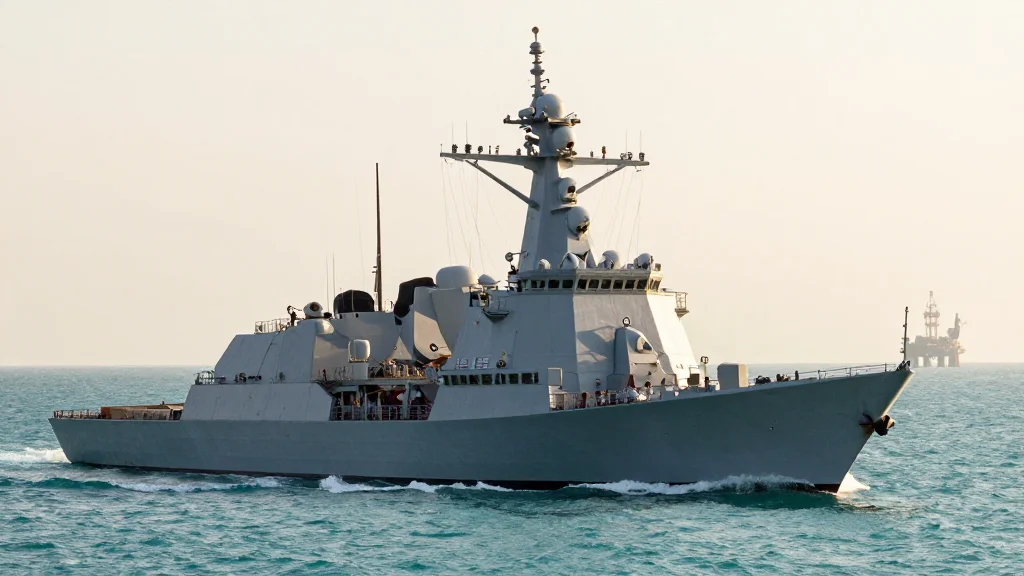
Donald Trump Blockade of Iranian Ports Begins
Why It Matters
The blockade threatens to disrupt global oil supply chains, potentially driving up energy prices and heightening geopolitical tension in a volatile region.
Key Takeaways
- •US Navy positions 5 warships near Strait of Hormuz
- •Blockade aims to pressure Iran over nuclear negotiations
- •Potential disruption to 20% of global oil shipments
- •International community urges diplomatic resolution to avoid escalation
Pulse Analysis
The Trump administration’s decision to seal the Strait of Hormuz marks a dramatic escalation in U.S. policy toward Tehran. Historically, the narrow waterway has been a flashpoint for conflict, with past confrontations in 1980s and 2019 underscoring its strategic importance. By deploying a fleet of warships and announcing a formal blockade, the president is leveraging military pressure to compel Iran back to the negotiating table on its nuclear program, a tactic reminiscent of Cold War brinkmanship but applied to 21st‑century energy geopolitics.
From an economic perspective, the Strait of Hormuz carries an estimated 21 million barrels of oil per day, roughly one‑fifth of worldwide consumption. Any interruption can trigger sharp spikes in Brent and WTI futures, as traders price in supply uncertainty. Shipping insurers have already raised premiums for vessels transiting the region, and major oil‑importing nations are scrambling to secure alternative routes or stockpiles. The immediate market reaction includes a 4% rise in crude prices and heightened volatility in emerging‑market currencies tied to energy exports, underscoring how quickly geopolitical risk translates into financial turbulence.
Geopolitically, the blockade risks provoking a cascade of retaliatory measures from Iran, which has threatened to close its own ports and target commercial shipping. Allies such as the United Kingdom and Japan have called for de‑escalation, while China and Russia are likely to back Tehran diplomatically, potentially complicating U.S. coalition building. The situation underscores the delicate balance between coercive diplomacy and the danger of a broader conflict, making diplomatic channels and multilateral pressure essential to prevent a spiral that could destabilize not only regional security but also the global economy.
Donald Trump blockade of Iranian ports begins
Comments
Want to join the conversation?
Loading comments...