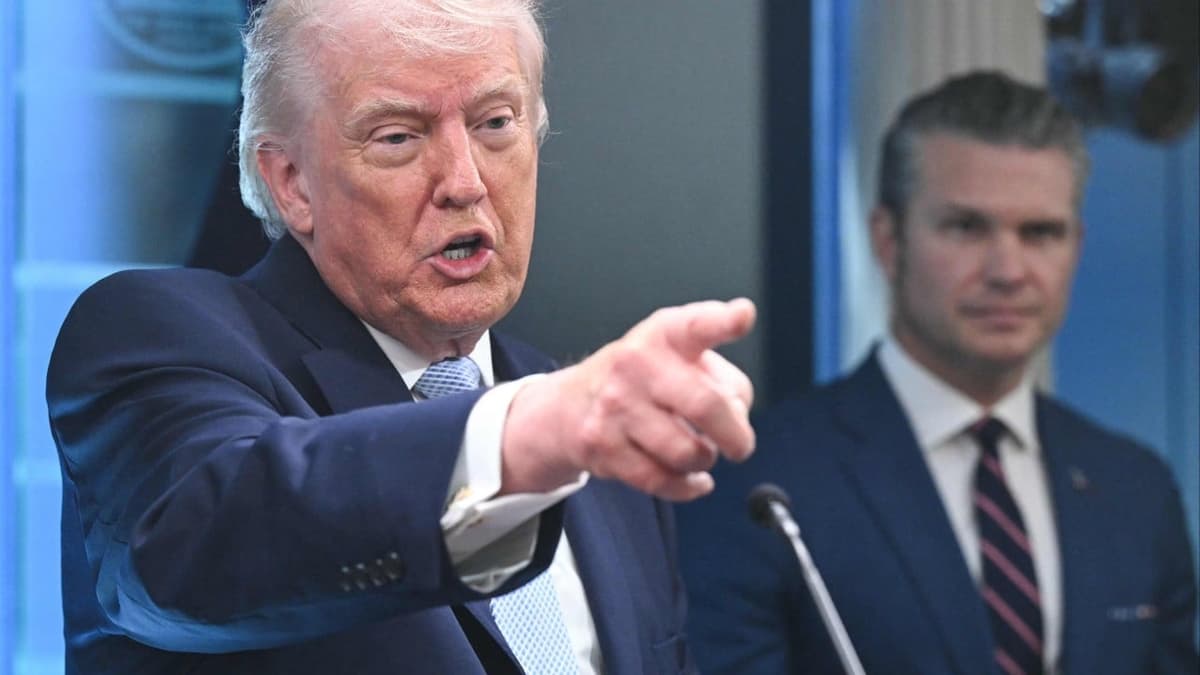
Donald Trump Heightens Iran Threats, Warning ‘a Whole Civilisation Will Die Tonight’
Why It Matters
Escalating U.S.-Iran tensions threaten regional stability and could disrupt global energy markets, underscoring the urgency for diplomatic channels.
Key Takeaways
- •Trump escalates rhetoric, raising regional tension
- •No credible guarantor hampers US‑Iran negotiations
- •Trust deficit deepens between Washington and Tehran
- •Israel's involvement complicates diplomatic pathways
- •Analysts warn miscalculation could trigger broader conflict
Pulse Analysis
Donald Trump's recent warning that “a whole civilisation will die tonight” marks a stark departure from the measured diplomatic language traditionally used by the White House. By invoking existential stakes, the president seeks to pressure Tehran into a rapid concession, but such rhetoric also fuels nationalist sentiment in Iran and can harden its negotiating posture. The move reflects a broader trend of confrontational posturing in U.S. foreign policy, where domestic political calculations often intersect with strategic objectives in the volatile Middle East. The warning also signals to allies that Washington expects a firm response from regional partners.
The underlying trust deficit between Washington and Tehran is amplified by the absence of a mutually accepted guarantor, leaving both sides wary of any cease‑fire or nuclear‑related agreement. Analysts point to Israel’s strategic involvement as a complicating factor, as Tehran views Israeli influence as a direct threat, while the United States relies on Israeli intelligence to shape its policy. Without a credible third‑party mediator, diplomatic overtures risk stalling, and missteps could quickly spiral into kinetic confrontations, undermining years of multilateral non‑proliferation efforts.
Financial markets are already sensitive to any flare‑up, with oil prices reacting sharply to headlines of heightened U.S. aggression. A broader conflict could disrupt shipping lanes in the Strait of Hormuz, constraining global supply and inflating energy costs. Policymakers therefore face a narrow window to re‑engage diplomatic channels, possibly through back‑channel talks or a renewed UN framework that includes regional stakeholders. Constructive engagement, rather than escalatory rhetoric, offers the most viable path to preserve regional stability and protect economic interests worldwide.
Donald Trump heightens Iran threats, warning ‘a whole civilisation will die tonight’
Comments
Want to join the conversation?
Loading comments...