Dover ‘Personal Effects Specialist’ Job Posting Creates Stir on Social Media
•March 4, 2026
0
Why It Matters
The hiring surge signals potential scaling of mortuary‑affairs operations as U.S. forces sustain losses, raising public scrutiny of war logistics. It underscores how defense contractors’ staffing moves can become proxies for assessing conflict intensity.
Key Takeaways
- •Joint Technology Solution posted part-time personal effects specialist jobs
- •Positions require secret clearance and $15.66 hourly wage
- •Hiring coincides with rising U.S. casualties in Iran conflict
- •Social media backlash highlights concerns over war escalation
- •Contract worth $595,000 supports Dover Air Force Base depot
Pulse Analysis
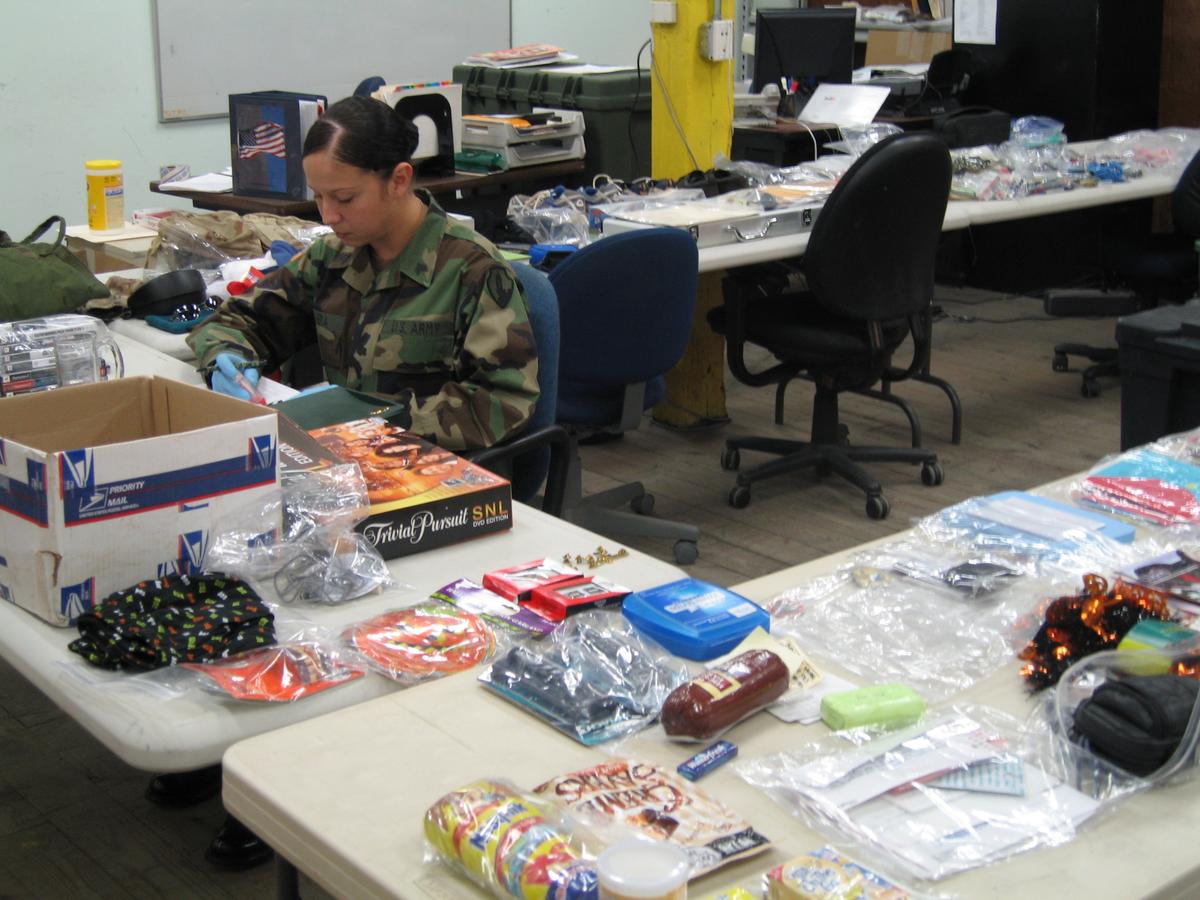
Dover Air Force Base’s Joint Personal Effects Depot plays a critical, often unseen, role in U.S. military operations. Established after the 9/11 attacks, the depot safeguards and returns personal items of service members who die overseas, providing closure for families. As the United States intensifies its campaign against Iran, the depot’s workload can expand rapidly, making staffing needs a bellwether for the scale of combat losses.
The recent job postings by Joint Technology Solution illustrate how defense contractors translate operational demand into civilian hiring. The part‑time positions require a secret security clearance, $15.66 hourly pay, and a compassionate disposition toward grieving families. Targeted at recent retirees, military spouses, and Guard members in Delaware, the ads aim to fill a niche skill set while complying with a $595,000 contract awarded in June 2025. Such contracts highlight the reliance on private firms to manage sensitive mortuary‑affairs functions, a trend that raises questions about cost, oversight, and workforce stability in a high‑stakes environment.
Public reaction on social media has amplified the story, with more than half a million views and heated debate about whether the hiring surge foreshadows a larger casualty count. Critics argue that the visibility of these postings offers a rare glimpse into the logistical underpinnings of war, while supporters stress the routine nature of the recruitment. The episode underscores the growing importance of transparency in defense contracting, especially when staffing signals may influence perceptions of conflict intensity and policy decisions.
Dover ‘personal effects specialist’ job posting creates stir on social media
0
Comments
Want to join the conversation?
Loading comments...