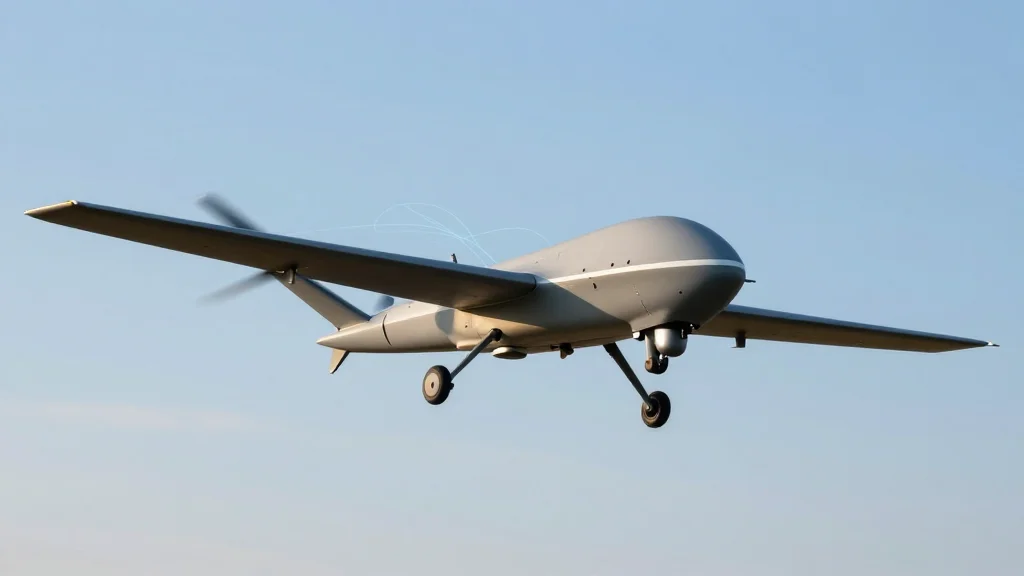
DOW Restructures AI Enterprise to Accelerate Battlefield Innovation
Why It Matters
By streamlining AI governance and modernizing procurement, the DOD aims to deliver software‑centric capabilities at the speed of conflict, preserving the United States' asymmetric advantage in warfighting, intelligence and enterprise operations.
Key Takeaways
- •DOD places AI under CTO, merging innovation units.
- •Maven system targeted 13,000 targets in 38‑day operation.
- •Agent Network tests autonomous AI for battlefield decision‑making.
- •Acquisition reforms aim to cut AI delivery from years to months.
- •Warfighters encouraged to experiment, “break stuff,” accelerate innovation.
Pulse Analysis
The Department of Defense’s latest restructuring marks a decisive pivot toward an "AI‑first" posture, consolidating the Chief Digital and Artificial Intelligence Office within the DOD CTO’s portfolio. By bringing together the Defense Innovation Unit, DARPA, and the Strategic Capabilities Office, the Pentagon creates a unified innovation pipeline that can shepherd concepts from lab to battlefield without the bureaucratic silos that previously slowed progress. This alignment directly supports the AI Acceleration Strategy released in January, which earmarks warfighting, intelligence and enterprise operations as the service’s three strategic trump cards.
Operationally, the changes are already bearing fruit. Maven, an AI‑enabled warfighting platform, was instrumental in planning and executing strikes on 13,000 targets during the 38‑day Operation Epic Fury campaign against Iran. Simultaneously, the newly formed Agent Network is experimenting with agentic AI—autonomous workflows that augment decision‑making in real time. By pairing military expertise with commercial AI talent, the DOD accelerates the field‑test loop, encouraging warfighters to "break stuff" and iterate rapidly, a mindset borrowed from Silicon Valley’s agile development culture.
The broader impact extends beyond technology adoption to the very mechanics of defense procurement. Legacy acquisition systems, designed for decade‑long aircraft programs, are being replaced with software‑centric processes that can deliver capabilities in months rather than years. This shift not only shortens the time‑to‑field for critical AI tools but also opens new partnership opportunities for private‑sector innovators. As the United States seeks to maintain its asymmetric advantage, the success of this restructuring will hinge on sustaining rapid, data‑driven decision‑making while navigating the challenges of integrating commercial AI into a highly regulated defense environment.
DOW Restructures AI Enterprise to Accelerate Battlefield Innovation
Comments
Want to join the conversation?
Loading comments...