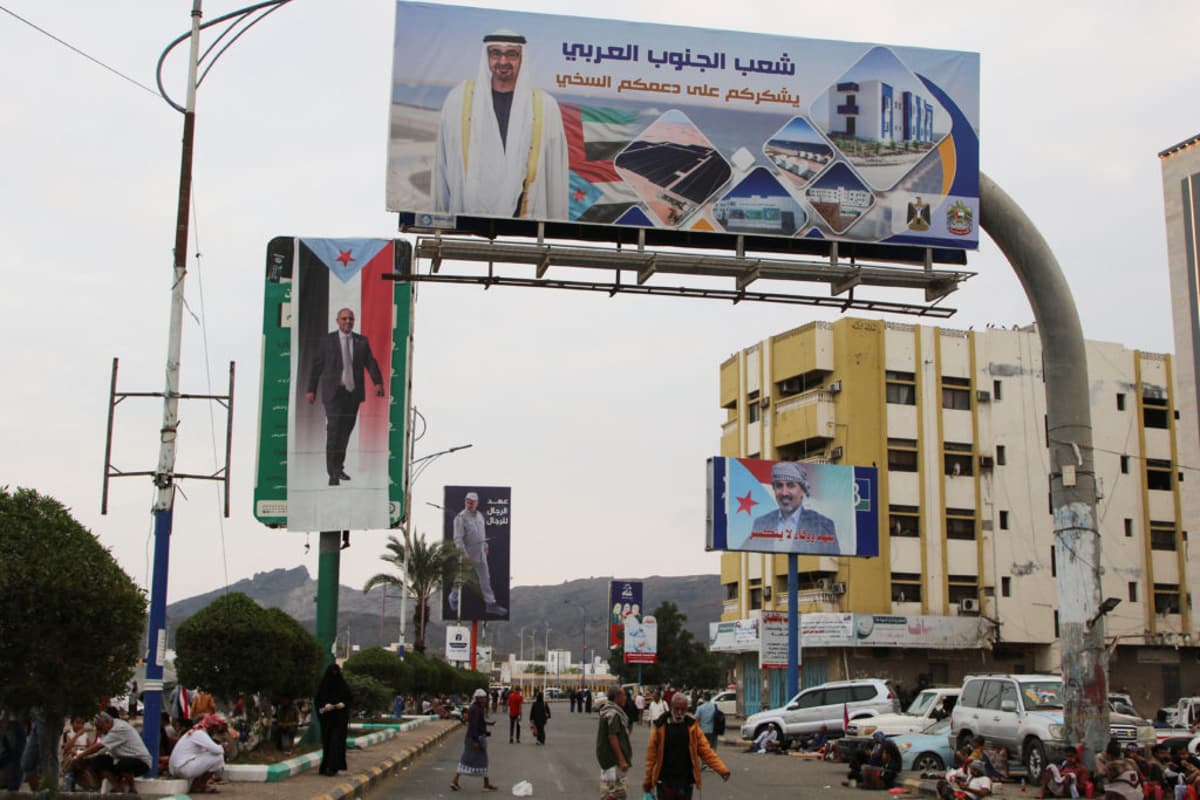
Drone Attack Starts Fire at UAE Nuclear Power Plant
Why It Matters
Targeting a key energy asset exposes vulnerabilities in nuclear security and could destabilize the UAE’s power supply, while signaling a broader escalation of geopolitical conflict in the Gulf region.
Key Takeaways
- •Drone strike sparked perimeter fire, no radiation leak
- •Barakah supplies about 25% of UAE’s electricity
- •Incident highlights rising Iran‑Israel‑UAE tensions and nuclear security concerns
- •UAE’s 123 agreement bans domestic enrichment, differentiating it from Iran
- •IAEA and UN called the attack a grave safety concern
Pulse Analysis
The Barakah nuclear facility, a $20 billion joint venture with South Korea, provides roughly a quarter of the United Arab Emirates’ electricity. When three drones breached the western perimeter on May 17, a fire erupted in an auxiliary generator, but the reactor cores remained sealed and emergency diesel generators kept one unit online. The plant’s regulator quickly assured the public that safety systems functioned as designed, and the International Atomic Energy Agency confirmed there was no radiological release, underscoring the resilience of modern nuclear safeguards.
The attack arrives at a volatile moment in Gulf geopolitics. Tehran’s proxy networks, including the Houthi rebels, have intensified drone campaigns against Saudi and Emirati targets, while Israel, backed by U.S. forces, prepares for potential retaliation. The UAE’s partnership with Israel on air‑defense deployments and its 123 nuclear cooperation agreement with the United States further isolate it from Iran’s nuclear ambitions. Analysts view the strike as a warning shot, testing the region’s collective response to threats against critical infrastructure and signaling that nuclear facilities are now within the strategic calculus of asymmetric warfare.
For investors and policymakers, the incident raises questions about energy security and the future of nuclear expansion in the Middle East. While the Barakah plant’s uninterrupted output mitigates immediate supply shocks, the episode may prompt tighter security protocols, increased funding for perimeter detection systems, and a reevaluation of the risk premium on regional power assets. The IAEA’s expressed “grave concern” could lead to heightened inspections and a push for broader international norms protecting civilian nuclear sites, shaping the strategic landscape for both energy markets and diplomatic negotiations.
Drone attack starts fire at UAE nuclear power plant
Comments
Want to join the conversation?
Loading comments...