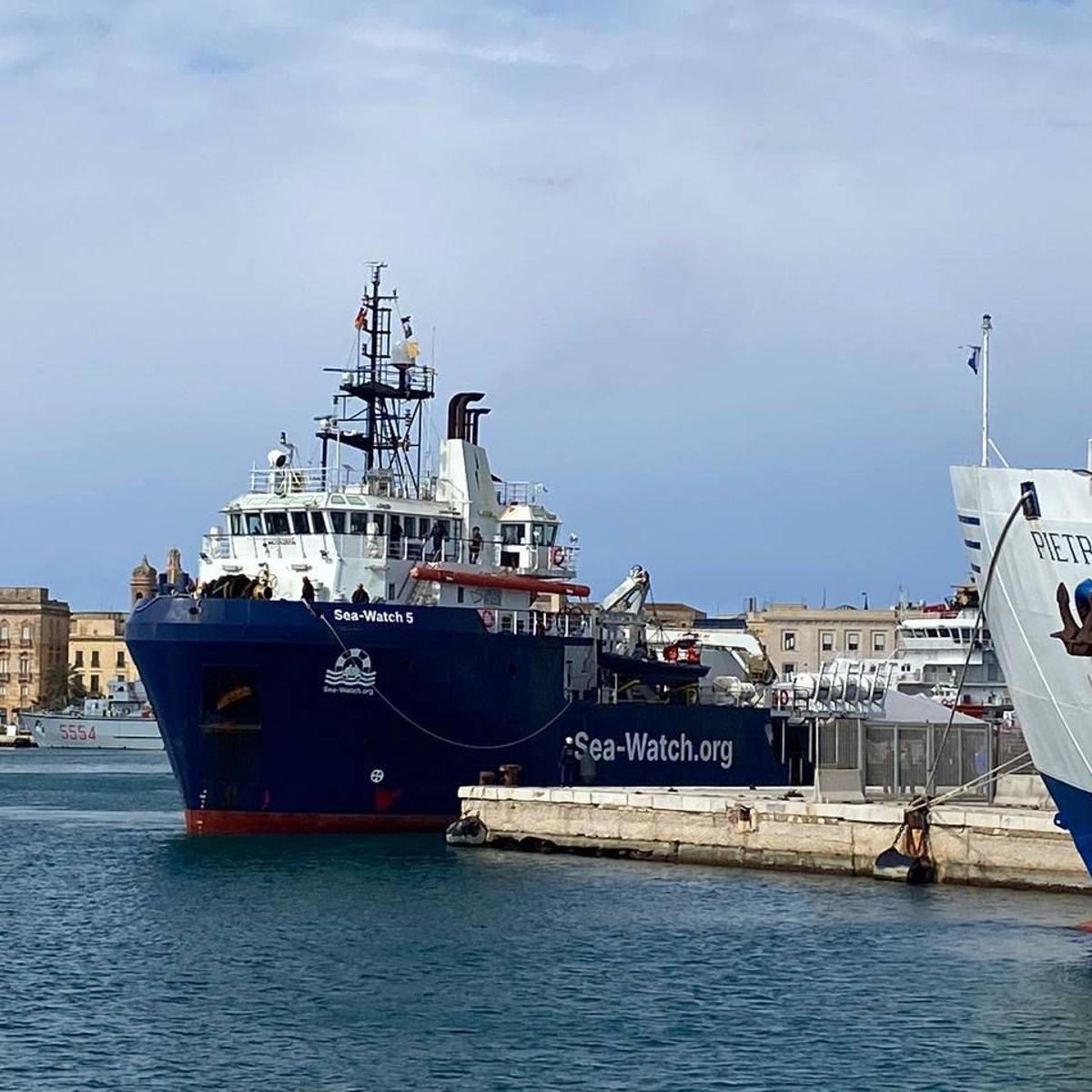
EU-Backed Libyan Coast Guard Shot at and Threatened to Kidnap Crew of German Aid Ship
Why It Matters
The episode underscores the risk that EU‑provided security assets can be used against humanitarian rescue operations, jeopardizing migrant lives and eroding confidence in Europe’s migration policy.
Key Takeaways
- •Sea‑Watch 5 fired upon 55 nm north of Libya after rescuing 90 migrants
- •Corrubia‑class patrol boat, donated by Italy, identified as shooter
- •Crew threatened with kidnapping and forced return to Libya
- •EU‑backed Libyan coast guard incidents raise questions on EU aid
- •Frontex records withheld, citing migrant safety, limiting transparency
Pulse Analysis
On 11 May 2026, the German‑run charity vessel Sea‑Watch 5 was fired upon in international waters 55 nautical miles north of Libya after rescuing roughly 90 migrants attempting the Mediterranean crossing. Witnesses reported an initial shot followed by a volley of ten to fifteen rounds, originating from a Corrubia‑class patrol boat that Italy supplied to the Libyan coast guard. Although no crew member was injured, the Libyan forces threatened to seize the ship and forcibly return the crew to Libya, echoing earlier confrontations in the region.
The incident spotlights the paradox of EU‑backed security assistance in a country plagued by human‑rights concerns. Italy has donated multiple Corrubia‑class vessels, financed in part by EU funds, despite documented episodes of the Libyan coast guard opening fire on rescue ships, including the Ocean Viking in August 2025. Frontex, the EU’s border agency, possesses detailed incident reports but has refused release, arguing that disclosure would jeopardize migrant lives. This opacity fuels criticism that European aid may inadvertently empower forces that obstruct humanitarian operations.
For NGOs like Sea‑Watch, the threat of kidnapping and vessel seizure raises operational risks that could curtail life‑saving missions across the Central Mediterranean. Policymakers in Brussels now face pressure to condition future maritime aid on transparent oversight and strict rules of engagement for recipient forces. Failure to address these concerns may erode public support for EU migration assistance and embolden authoritarian actors to use donated assets as tools of intimidation. A coordinated response—combining diplomatic pressure, independent monitoring, and possible suspension of patrol‑boat transfers—could restore confidence in Europe’s commitment to humanitarian rescue.
EU-backed Libyan coast guard shot at and threatened to kidnap crew of German aid ship
Comments
Want to join the conversation?
Loading comments...