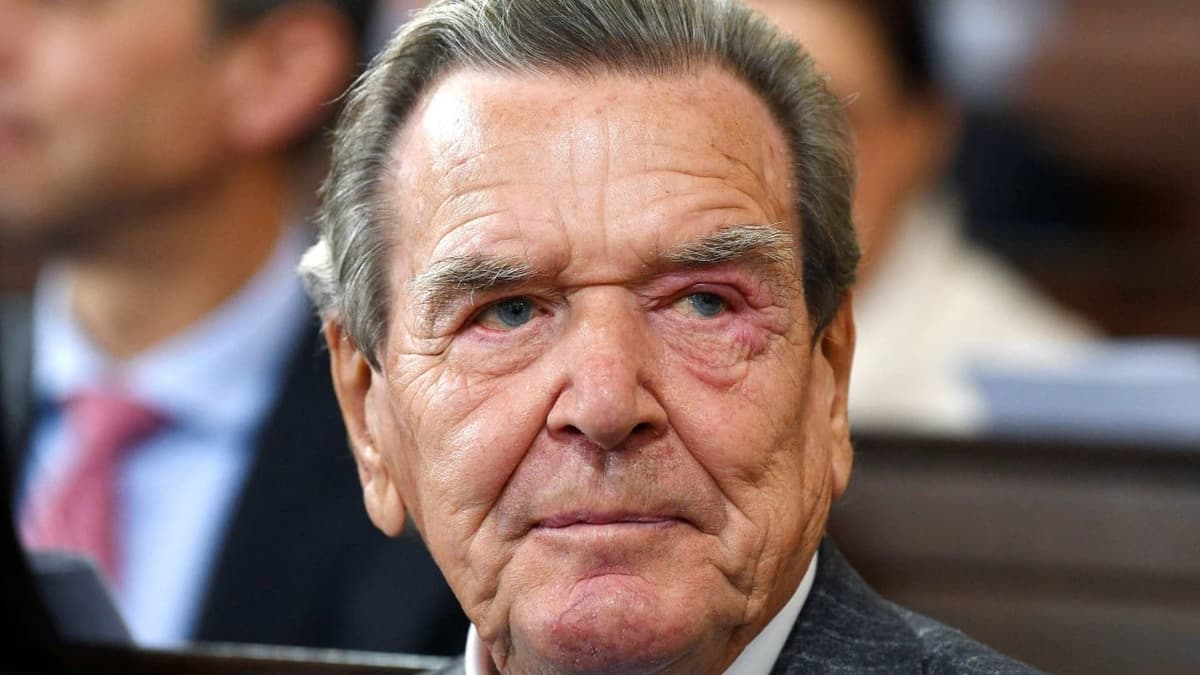
EU Rejects Putin’s Idea of Role for Ex-German Leader in Future Security Talks
Why It Matters
The rejection underscores the EU’s determination to keep diplomatic leverage and avoid Russian‑handpicked intermediaries, shaping the contours of any future peace negotiations and reinforcing Western unity against Moscow’s influence.
Key Takeaways
- •EU foreign ministers reject Putin's proposal to appoint Schröder as negotiator
- •Schröder's past work for Russian state firms raises conflict‑of‑interest concerns
- •EU stresses need for pressure on Russia before any peace talks
- •Some members call for a EU‑led envoy, not a Russian‑chosen mediator
- •Talks may focus on airport de‑escalation rather than full settlement
Pulse Analysis
Gerhard Schröder, Germany's former chancellor, has cultivated a long‑standing relationship with Vladimir Putin, including board positions at Russian energy giants. His name resurfaced when Putin suggested he could act as a bridge for "new security arrangements" in Europe, a move analysts view as an attempt to insert a familiar, Kremlin‑friendly figure into any diplomatic channel. By proposing Schröder, Moscow hopes to exploit his Western credibility while retaining influence over the negotiation table, a strategy that raises eyebrows across Brussels and Washington alike.
EU foreign ministers, gathered in Brussels, responded with uniform skepticism. Kaja Kallas warned that allowing Russia to name a negotiator would effectively give Moscow a seat at both ends of the table, compromising the bloc's bargaining power. The ministers highlighted Schröder's business ties to Russian state companies as a clear conflict of interest, arguing that any "honest broker" must be free from such entanglements. While a few officials, such as Austria's Beate Meinl‑Reisinger, advocated for a more active EU role in talks, the consensus remained that pressure—through sanctions and diplomatic isolation—must precede any substantive dialogue.
The episode reflects broader challenges in ending the Ukraine war. With U.S.-led negotiations stalled and attention diverted to other crises, Europe is weighing whether to launch its own diplomatic track or continue supporting American efforts. Proposals to limit talks to concrete, low‑risk issues—like mutual airport de‑escalation—signal a pragmatic shift toward incremental confidence‑building measures. However, the EU's refusal to endorse Schröder signals a firm stance against Russian attempts to shape the negotiation process, preserving Western unity and signaling that any future peace framework will require a mediator free from Moscow's direct influence.
EU rejects Putin’s idea of role for ex-German leader in future security talks
Comments
Want to join the conversation?
Loading comments...