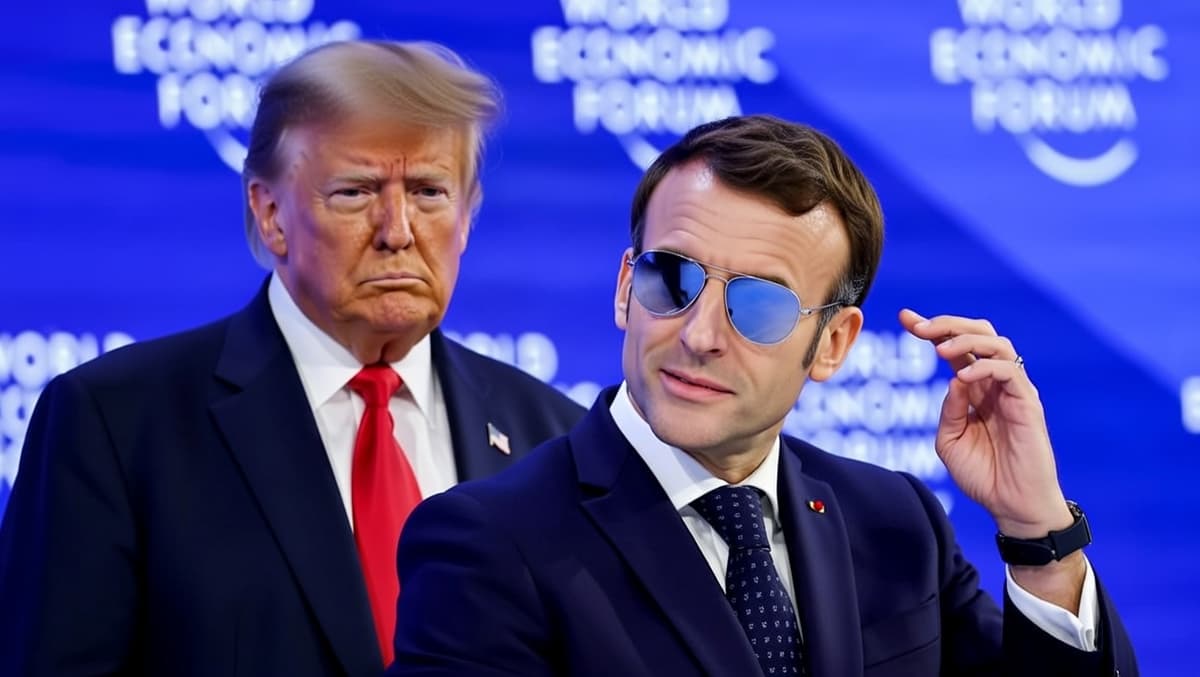
EU Strikes Back with Article 42.7 Mutual Defense Blueprint to Counter Trump’s NATO Doubts, Spain Threats
Companies Mentioned
Why It Matters
A functional EU defence protocol reduces reliance on U.S. guarantees and strengthens European strategic autonomy amid transatlantic friction. It also signals to Washington that Europe can coordinate security responses independently, preserving NATO unity.
Key Takeaways
- •EU to draft operational plan for Article 42.7 mutual defense
- •Table‑top exercise in Brussels scheduled for May to test response
- •Only one prior Article 42.7 invocation: France after 2015 Paris attacks
- •Spain faces U.S. pressure over NATO spending and Huawei contract
- •Cyprus, non‑NATO EU member, leads blueprint under rotating presidency
Pulse Analysis
The EU’s decision to codify Article 42.7 reflects a growing appetite for strategic autonomy within Europe. By commissioning a concrete blueprint and a May tabletop simulation, the bloc aims to clarify how member states—whether NATO members or not—will coordinate aid when a fellow country is attacked. This effort builds on the lone precedent set by France after the 2015 Paris terror attacks and seeks to close legal ambiguities that have long hampered rapid collective action.
While the blueprint is framed as a supplement to NATO, it carries significant political weight. Twenty‑three EU members belong to the alliance, and their leaders are keen to demonstrate that European security can stand on its own without inviting further doubts from President Trump, who has publicly threatened to withdraw U.S. support. The exercise also underscores the EU’s intent to maintain NATO as the cornerstone of collective defence while developing a distinct European pillar that can operate independently if needed.
The initiative unfolds against a backdrop of heightened U.S.–EU tension, especially over Spain’s refusal to meet the 5% GDP defence‑spending target and its recent €12.3 million ($14.2 million) Huawei contract. These frictions amplify calls from leaders like Italy’s Giorgia Meloni for a stronger European defence contribution. By formalising Article 42.7, the EU not only bolsters its own security architecture but also sends a clear message to Washington: Europe is prepared to act collectively, even as it remains committed to the transatlantic alliance.
EU Strikes Back with Article 42.7 Mutual Defense Blueprint to Counter Trump’s NATO Doubts, Spain Threats
Comments
Want to join the conversation?
Loading comments...