EU to Sign Defence Pacts with Australia, Iceland and Ghana in ‘Coming Days’
•March 9, 2026
0
Why It Matters
The moves signal the EU’s drive toward strategic autonomy and a global security footprint, reducing reliance on the United States while unlocking new defence market opportunities.
Key Takeaways
- •EU signs defence pacts with Australia, Iceland, Ghana soon.
- •Ghana deal is EU's first defence partnership with Africa.
- •SAFE programme offers €150bn loans, €800bn procurement fund.
- •Partnerships aim to diversify security ties beyond NATO reliance.
- •Canada contributes €10m; UK access to SAFE remains disputed.
Pulse Analysis
The European Union is accelerating its strategic autonomy in defence after years of reliance on NATO and U.S. security guarantees. Central to this shift is the Security Action for Europe (SAFE) framework, which combines up to €150 billion in long‑term loans with an €800 billion procurement scheme to lift member‑state defence budgets toward the 2 percent of GDP target. The programme was introduced in response to heightened geopolitical tension, including former President Donald Trump’s criticism of European defence spending and recent U.S. signals of reduced support for NATO’s eastern flank.
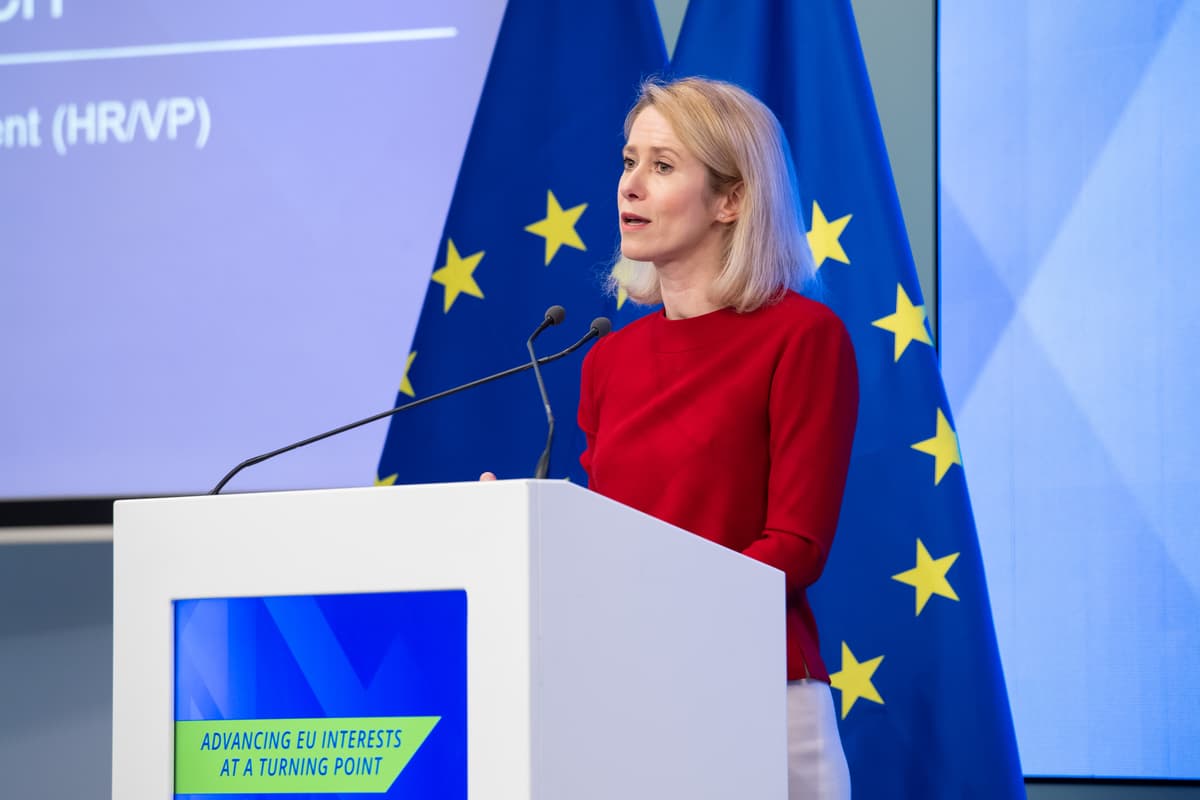
In that context, EU foreign affairs chief Kaja Kallas announced imminent defence cooperation pacts with Australia, Iceland, and Ghana. The Australia and Iceland agreements deepen existing security links and pave the way for joint naval exercises and technology sharing. Ghana’s pact is historic as the bloc’s first defence partnership on the African continent, focusing on counter‑terrorism capacity building and intelligence exchange. While critics label the deals as largely symbolic, the agreements signal the EU’s intent to broaden its security network beyond traditional partners.
The new pacts also open the EU’s multi‑billion‑euro defence procurement market to external firms, a move that could attract non‑EU defence exporters seeking access to a growing customer base. Canada’s €10 million contribution illustrates the willingness of allies to invest in these partnerships, whereas the United Kingdom’s stalled negotiations over SAFE access highlight lingering frictions. As the EU finalises the agreements, the bloc is positioning itself as a credible global security actor, leveraging financial tools and diversified alliances to shape future defence collaboration.
EU to sign defence pacts with Australia, Iceland and Ghana in ‘coming days’
0
Comments
Want to join the conversation?
Loading comments...