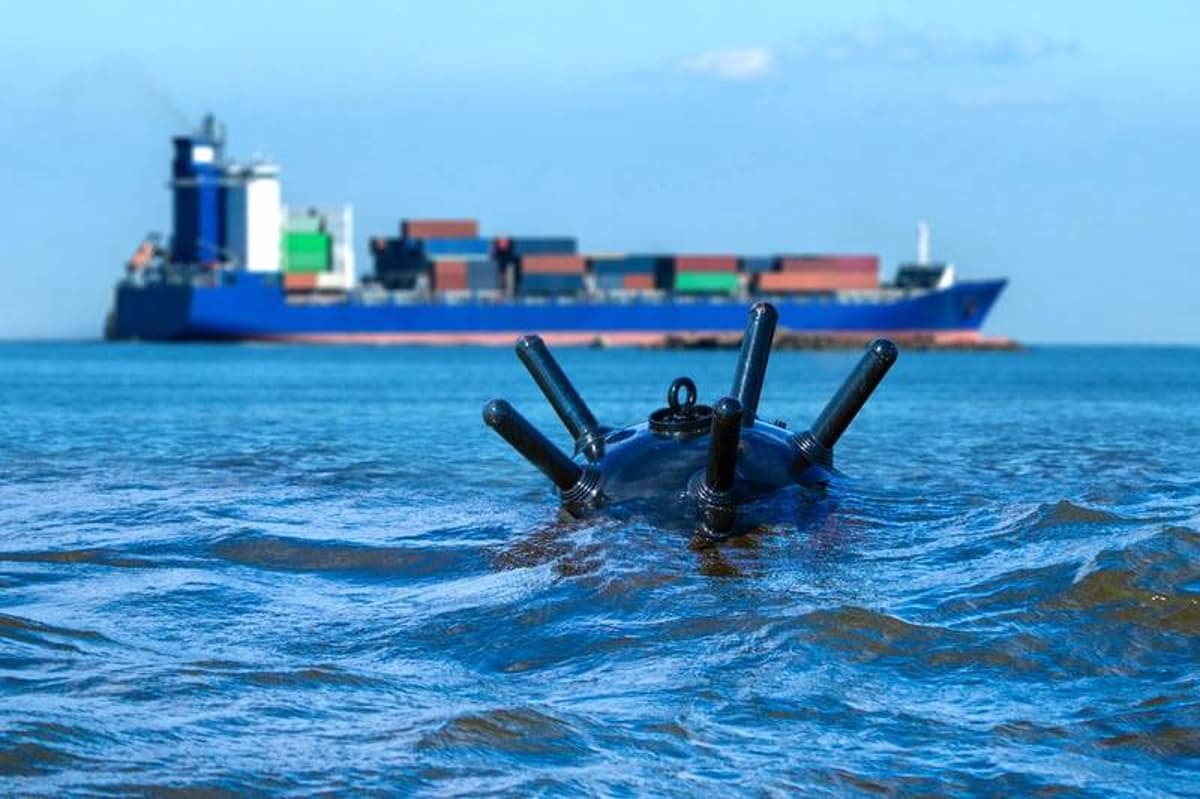
Europe Can Help Clear Mines in Strait of Hormuz, France Says
Why It Matters
Ensuring safe transit protects a fifth of world energy trade and reduces reliance on U.S. naval patrols, bolstering European strategic influence in a volatile region.
Key Takeaways
- •Belgium, Netherlands, France possess mine‑clearance vessels for escort missions
- •Escort services are defensive, avoiding any offensive naval action
- •Meeting of 40 nations signals European support for navigation freedom
- •Strait of Hormuz handles ~20% of global oil and LNG flow
Pulse Analysis
The Strait of Hormuz remains one of the world’s most contested chokepoints, funneling roughly one‑fifth of daily oil and liquefied natural gas shipments. Recent regional flare‑ups have raised concerns that naval mines could be deployed to disrupt traffic, echoing past incidents that forced vessels to reroute around the Arabian Peninsula. Such disruptions would not only spike freight costs but also threaten global energy price stability. As a result, the international community is closely monitoring any steps that can preserve uninterrupted flow through this narrow waterway.
European navies are stepping into that security gap. France, Belgium and the Netherlands each operate specialized mine‑hunting vessels equipped with sonar, remotely operated vehicles and clearance charges capable of neutralising modern sea‑borne threats. Defence Minister Catherine Vautrin emphasized that the proposed escort service would be strictly defensive, providing a protective corridor without engaging in offensive actions. The upcoming Paris summit, co‑chaired by France and Britain and attended by around 40 countries, will flesh out rules of engagement, command structures and cost‑sharing arrangements, showcasing Europe’s willingness to shoulder a portion of the burden traditionally shouldered by the United States.
From a market perspective, guaranteeing safe passage through the Hormuz corridor helps stabilize oil benchmarks such as Brent and WTI, limiting price spikes that can ripple through the U.S. economy. Moreover, the initiative reinforces the European Union’s broader strategic autonomy agenda, demonstrating that EU member states can contribute tangible maritime security assets. Continued coordination with Washington will be essential, as joint intelligence and de‑confliction mechanisms will prevent accidental escalations. If successful, the European escort model could become a template for other high‑risk maritime routes, further diversifying the global security architecture.
Europe Can Help Clear Mines in Strait of Hormuz, France Says
Comments
Want to join the conversation?
Loading comments...