
Why It Matters
The U.S. troop drawdown signals a tangible shift in the transatlantic security balance, compelling Europe to shoulder responsibilities traditionally shouldered by Washington. This realignment could reshape NATO’s decision‑making processes, force‑posture, and burden‑sharing formulas for years to come. Moreover, the move occurs amid heightened Russian aggression and Iranian brinkmanship, raising the stakes for European defense planning and procurement. If Europe fails to close the capability gap, adversaries may exploit perceived weaknesses, from maritime chokepoint threats to hybrid warfare tactics. Conversely, a successful European‑led response could reinforce alliance cohesion, demonstrate the durability of collective defense, and deter further destabilizing actions by hostile powers.
Key Takeaways
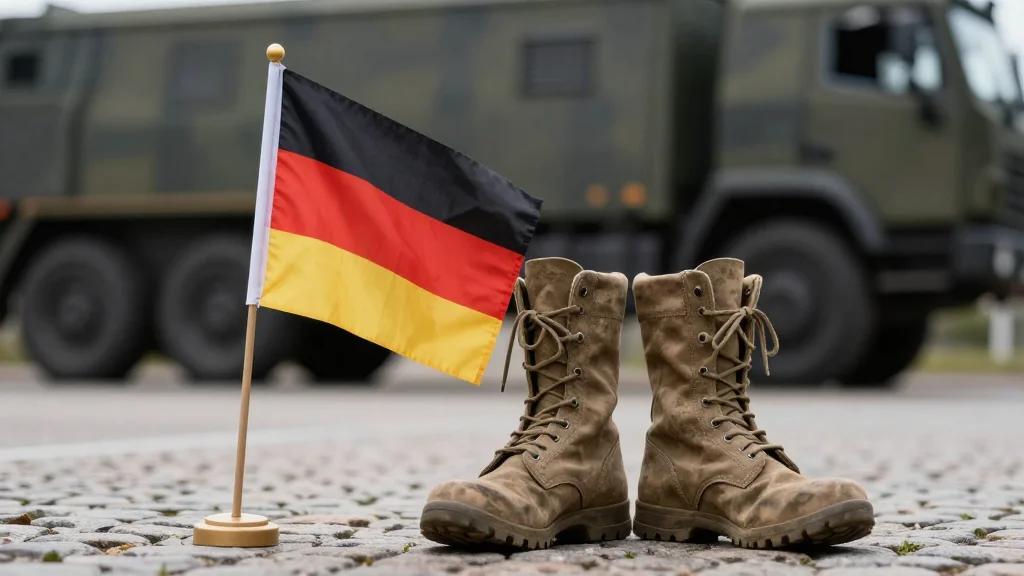
- •Pentagon orders withdrawal of 5,000 U.S. troops from Germany, about 14% of the force there.
- •Former NATO ambassador Ivo Daalder says "something fundamental has broken" in U.S.–NATO relations.
- •German Defense Minister Boris Pistorius admits no solution yet for replacing planned Tomahawk missile deployment.
- •European capitals launch emergency NATO working groups to address air‑defence and rapid‑reaction gaps.
- •Seth Jones warns the timing coincides with Europe’s largest land war since WWII, underscoring urgency.
Pulse Analysis
The U.S. drawdown is more than a symbolic gesture; it forces a structural recalibration of NATO. Historically, the alliance’s credibility rested on the United States’ willingness to project power in Europe. By trimming its footprint, Washington is effectively testing whether European members can internalize that burden without fracturing the alliance’s unity. The immediate response—heightened joint exercises, accelerated procurement, and new rapid‑deployment concepts—suggests a pragmatic, if uneasy, adaptation.
Long‑term, the shift may accelerate the emergence of a European defense industry coalition. France’s push for autonomous cruise‑missile capabilities and Germany’s contemplation of a joint European missile‑defence architecture could lay the groundwork for a more self‑sufficient European security apparatus. However, divergent fiscal capacities and political will among member states risk creating a patchwork of capabilities rather than a seamless collective shield.
Strategically, the withdrawal also opens a window for adversaries. Russia’s recent emphasis on maritime coercion, as outlined in analyses of the Hormuz playbook, demonstrates how non‑kinetic tools—insurance repricing, drone threats—can achieve strategic effects without direct confrontation. Europe’s response must therefore integrate conventional force readiness with robust cyber‑and‑information‑defense measures. The coming NATO summit will be a litmus test: will Europe coalesce around a unified, well‑funded defense posture, or will the alliance drift into a fragmented, reactive stance that emboldens hostile actors?
Europe Takes NATO Lead as U.S. Pulls 5,000 Troops from Germany
Comments
Want to join the conversation?
Loading comments...