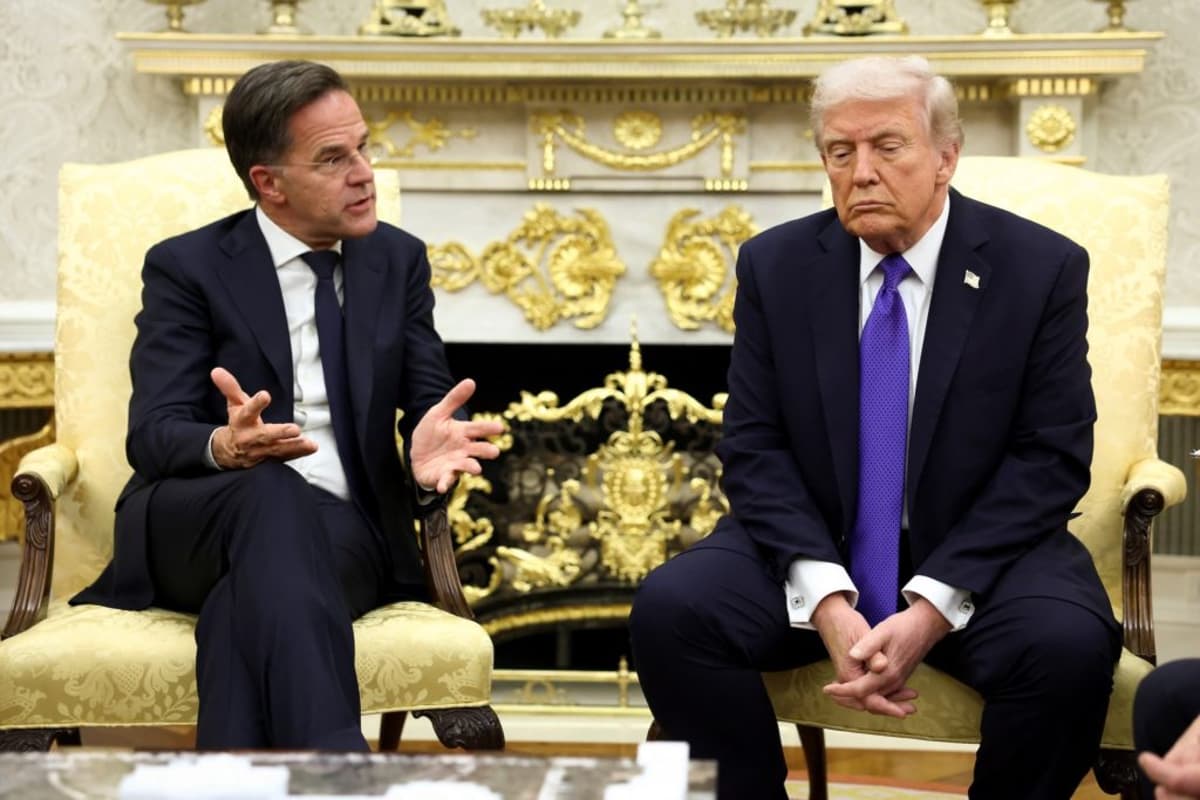
European Leaders Say the Timing of Trump's Decision to Pull Troops From Germany Came as a Surprise
Why It Matters
The unexpected troop reduction threatens to create a security vacuum in Central Europe and accelerates Europe’s push for strategic autonomy, testing the resilience of the transatlantic alliance. It also underscores how geopolitical disputes and trade tensions can quickly reshape defense postures.
Key Takeaways
- •Trump announced troop cuts exceeding 5,000, timing surprised NATO allies
- •Europe sees move as cue to boost its own security pillar
- •Tensions rise over U.S. stance on Iran war and trade tariffs
- •NATO seeks clarification to avoid security vacuum in Germany
- •Germany faces potential 25% U.S. tariffs on cars and trucks
Pulse Analysis
The abrupt announcement by President Trump to withdraw more than 5,000 U.S. soldiers from Germany marks the latest escalation in a series of unilateral American defense decisions. While the Pentagon had previously hinted at a modest drawdown, the president’s statement that the cuts would be "much larger" left NATO capitals scrambling for answers. Germany, which hosts the largest U.S. troop presence in Europe, now faces heightened scrutiny over its ability to fill any emerging gaps, especially as the United States signals frustration over European reluctance to engage in the Iran conflict.
European leaders responded by emphasizing the need for a stronger European pillar within NATO. At the summit in Yerevan, officials from Norway, the United Kingdom, and the EU foreign‑policy chief highlighted that the United States’ surprise move should accelerate defense spending and force Europe to assume greater responsibility for its own security. This sentiment aligns with a broader trend of strategic autonomy, as countries like France and Spain have already limited U.S. access to their bases for operations against Iran. The shift could reshape alliance dynamics, prompting a re‑evaluation of burden‑sharing formulas and joint planning processes.
Beyond the military dimension, the troop pullout intersects with escalating trade tensions. Trump’s threat to impose 25% tariffs on German‑made cars and trucks adds economic pressure to an already strained relationship. Coupled with disagreements over the Iran war and the Strait of Hormuz, these moves illustrate how geopolitical and commercial disputes are increasingly intertwined. For policymakers, the challenge lies in balancing immediate security concerns with long‑term alliance cohesion, ensuring that Europe’s push for self‑reliance does not devolve into fragmentation of the transatlantic partnership.
European leaders say the timing of Trump's decision to pull troops from Germany came as a surprise
Comments
Want to join the conversation?
Loading comments...