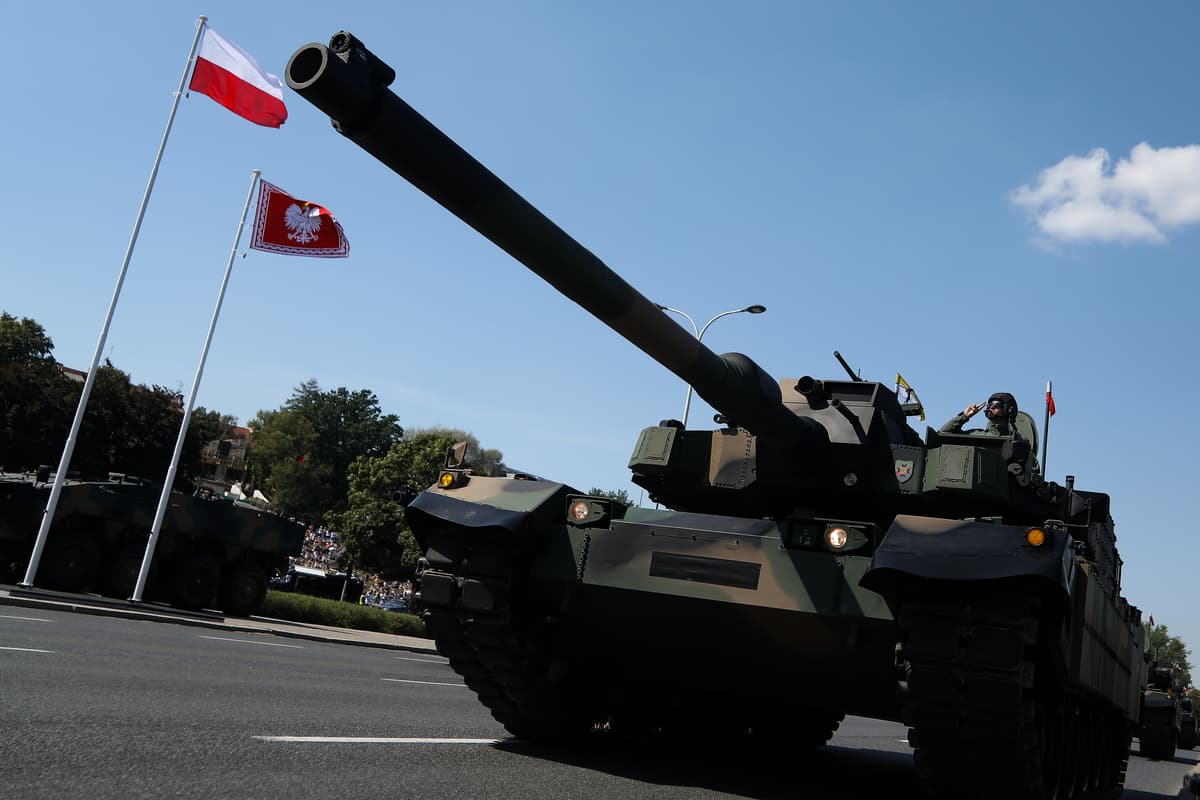
European NATO Nations Reduce Reliance on US Arms Imports: SIPRI Data
•March 9, 2026
0
Why It Matters
The trend reshapes the transatlantic defense market, challenging U.S. arms revenue and strengthening European strategic autonomy. It also signals a realignment of security partnerships in response to perceived reliability gaps.
Key Takeaways
- •US share of European NATO imports fell to 58%
- •South Korea, France, Israel each gained double‑digit share growth
- •European defense spending tripled after Russia’s 2022 invasion
- •US arms shipments to Europe rose 217% despite lower share
- •Diversification reflects doubts over US commitment to Europe
Pulse Analysis
European defense budgets have ballooned since Russia’s 2022 invasion, driving a three‑fold jump in regional arms imports. This surge has forced NATO allies to reassess supply chains, reducing reliance on U.S. equipment from 64% to 58% of total imports. The shift reflects both a pragmatic response to heightened threat perceptions and a strategic desire to mitigate risks associated with fluctuating U.S. policy, especially after former President Trump’s rhetoric questioning the alliance’s durability.
The diversification benefits both buyers and sellers. South Korea, France and Israel collectively captured over 23% of European NATO imports, offering competitive alternatives in combat aircraft, missile systems and electronic warfare. For U.S. defense firms, the 217% rise in shipments to Europe underscores continued demand, yet the shrinking market share warns of long‑term revenue pressure. European manufacturers also gain leverage, supported by EU investment in domestic production, which could foster a more resilient, intra‑European defense industrial base.
Globally, the arms market is experiencing its fastest growth in a decade, with total transfers up 9.2% in 2021‑2025. While the United States remains the world’s top exporter at 34% market share, the rise of regional suppliers reshapes geopolitical dynamics and may influence future NATO procurement standards. As European nations balance alliance solidarity with supply‑chain independence, policymakers will need to navigate trade-offs between interoperability, cost, and strategic autonomy, setting the tone for defense collaboration over the next decade.
European NATO nations reduce reliance on US arms imports: SIPRI data
0
Comments
Want to join the conversation?
Loading comments...