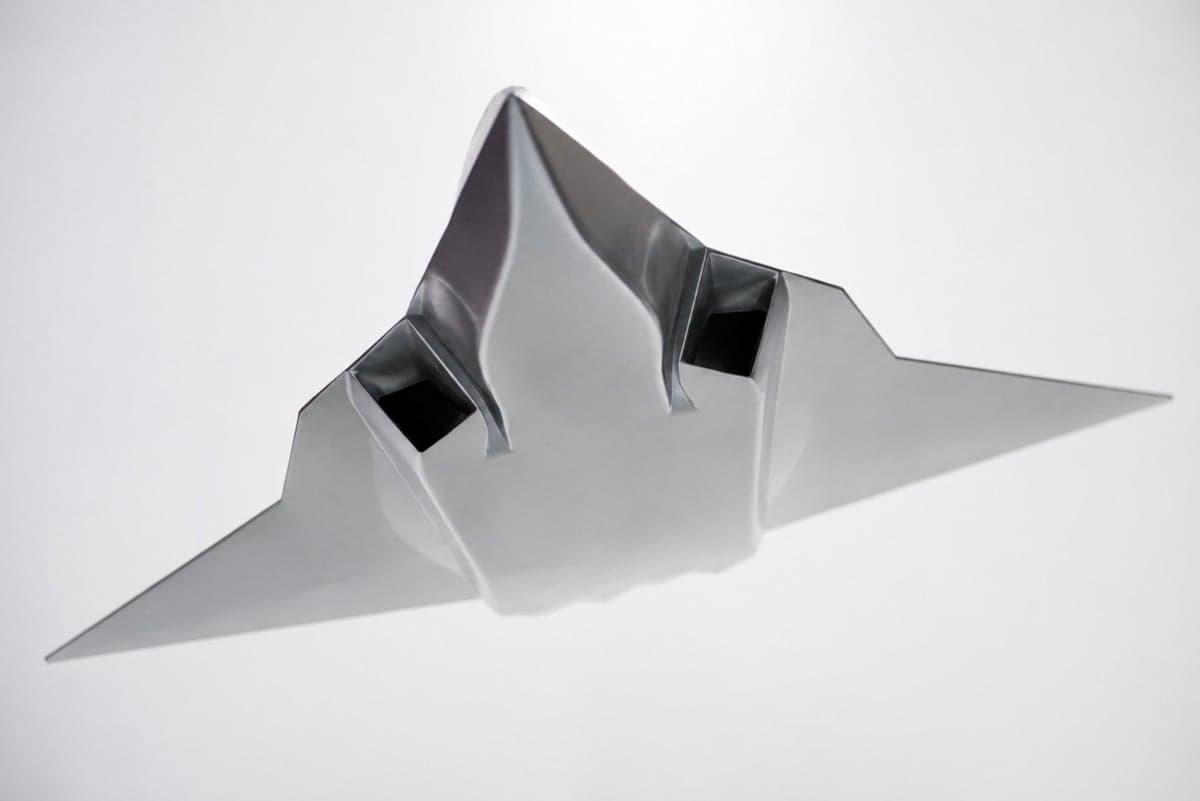
Europe’s $110 Billion Fighter Jet Project Is Officially Dead
Companies Mentioned
Why It Matters
The cancellation removes the most expensive pillar of Europe’s defense integration, forcing Germany and France to seek alternative platforms and threatening the continent’s ambition for an independent sixth‑generation fighter capability.
Key Takeaways
- •FCAS fighter jet program cancelled after $110 billion cost estimate
- •Airbus and Dassault deadlocked over workshare and divergent national requirements
- •France needs carrier‑capable, nuclear‑armed aircraft; Germany does not
- •Combat Cloud network will continue, preserving some program value
- •Germany may turn to Eurofighter upgrades or U.S. F‑35s
Pulse Analysis
The Future Combat Air System was launched in 2017 as a flagship of Franco‑German cooperation, promising a sixth‑generation fighter that could operate alongside autonomous drones and a cloud‑based battle‑management network. With an estimated price tag exceeding $110 billion, the program was positioned as the cornerstone of Europe’s strategic autonomy, aiming to reduce reliance on U.S. technology and keep the continent at the cutting edge of aerospace innovation. Its ambitious scope attracted Spain as a third partner, further cementing the initiative as a pan‑European defense project.
Underlying the public collapse were two entrenched issues. First, Airbus and Dassault could not reconcile industrial workshare, each demanding a larger slice of the lucrative production and technology pool. Second, the two nations diverged on core capability requirements: France insisted on a carrier‑compatible, nuclear‑capable platform, while Germany’s Bundeswehr had no such need. Attempts to split the airframe into separate variants failed, leaving the joint design dead‑ended. The impasse not only halted the aircraft but also dealt a political blow to President Macron’s vision of European strategic independence and Chancellor Merz’s push for rapid rearmament.
Looking ahead, the surviving Combat Cloud component offers a modest consolation, delivering a networked architecture that could enhance interoperability across European air forces. However, without a shared airframe, the gap left by the cancelled fighter will likely be filled by a mix of continued Eurofighter upgrades, deeper integration with the U.S. F‑35 program, and possible bilateral projects. For Germany, the decision accelerates a strategic pivot toward proven platforms, while France may explore national solutions or new partnerships. The outcome underscores the challenges of aligning industrial interests and divergent national doctrines within multinational defense programs.
Europe’s $110 billion fighter jet project is officially dead
Comments
Want to join the conversation?
Loading comments...