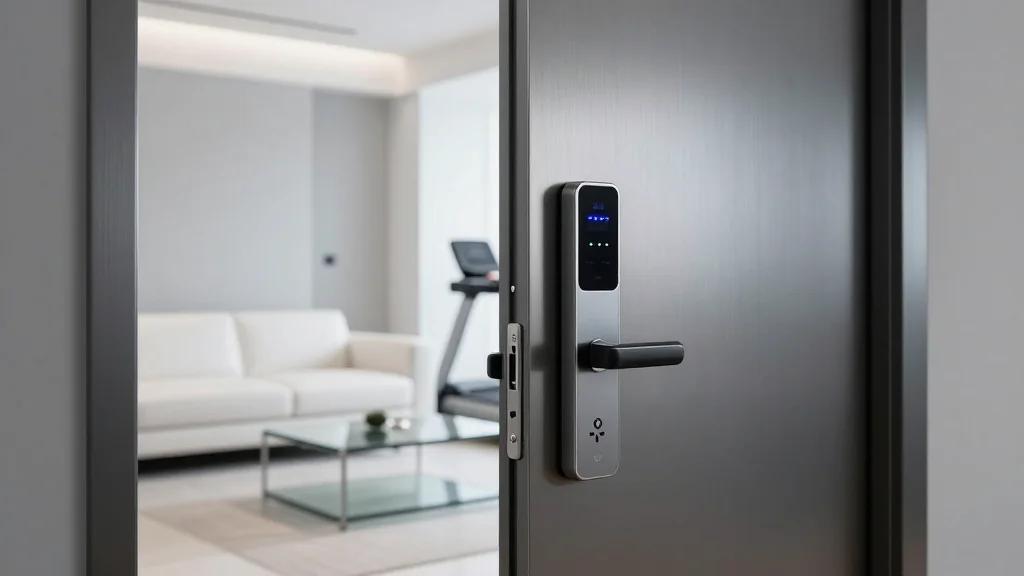
Even U.S. Spy Offices Are Getting Lounges and Upgrades
Key Takeaways
- •New ICD 705 rules push amenities outside secure zones
- •Renovations cost over $500 per square foot, reshaping leases
- •SCIF market projected to double by 2034, driving demand
- •Landlords add lounges and gyms to attract classified tenants
Pulse Analysis
The 2025 revision of Intelligence Community Directive 705 raises the bar for electromagnetic and RF shielding in classified environments, effectively redefining the layout of Sensitive Compartmented Information Facilities (SCIFs). By moving essential services such as restrooms and kitchens beyond the most protected core, the directive creates a transitional zone that can be repurposed for employee amenities. This shift not only meets compliance but also addresses a long‑standing ergonomic challenge: workers in windowless, device‑restricted rooms now have a nearby space to recharge, check personal devices, and interact socially.
From a financial perspective, the mandated upgrades are significant. Renovation costs frequently top $500 per square foot, prompting landlords to reassess traditional lease structures. Some are pre‑building SCIF‑ready floors to reduce lead times, while others explore shared‑use models that spread costs across multiple government or defense tenants. The global SCIF market’s projected growth—from $4.1 billion today to $8.5 billion by 2034—underscores the lucrative opportunity for developers who can deliver secure, flexible environments. These dynamics are reshaping capital allocation in the office sector, with a clear premium placed on spaces that combine high‑security standards with modern workplace amenities.
The broader implication mirrors trends seen across the commercial real‑estate landscape: security and flexibility are no longer mutually exclusive. By integrating lounges, gyms, and collaborative zones just outside the secure perimeter, developers create a clear functional separation that enhances employee well‑being without compromising classified work. This hybrid approach is likely to set a new benchmark for future office designs, influencing everything from building codes to tenant expectations in the high‑stakes world of classified operations.
Even U.S. Spy Offices Are Getting Lounges and Upgrades
Comments
Want to join the conversation?