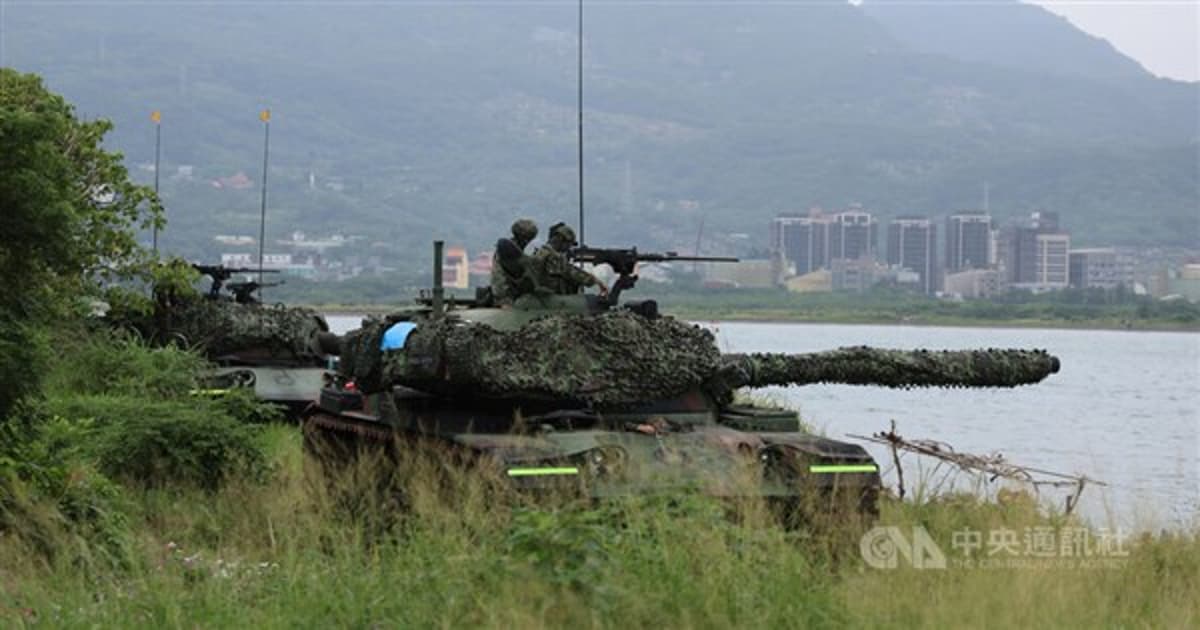
Ex-U.S. General Urges Creative Ways to Include Taiwan in Drills
Why It Matters
Integrating Taiwan into multinational drills strengthens deterrence against Chinese aggression and improves U.S. alliance interoperability in the Indo‑Pacific.
Key Takeaways
- •Flynn proposes joint Taiwan exercises on island and overseas.
- •He cites limited Chinese participation in Thailand’s Cobra Gold drills.
- •Emphasizes Taiwan’s duty to defend against “evil” aggression.
- •Calls for overcoming policy hurdles to enhance regional security.
Pulse Analysis
The call from retired General Charles Flynn arrives at a pivotal moment for Indo‑Pacific security. As Beijing accelerates its naval and missile modernization, allies are scrambling to close capability gaps and signal collective resolve. Flynn’s suggestion to embed Taiwan in joint exercises—both on its home turf and in partner nations’ territories—offers a pragmatic avenue to sharpen interoperability without overtly provoking China, echoing the limited but symbolic Chinese presence in Thailand’s annual Cobra Gold drills.
Beyond the tactical benefits, Flynn’s remarks underscore a strategic calculus: Taiwan’s participation can serve as a force multiplier for U.S. and allied forces, providing real‑world scenarios that test command‑and‑control, logistics, and rapid response under contested conditions. Yet political constraints loom large; any expansion of Taiwan’s role must navigate the delicate balance of U.S.–China relations, where overt support risks escalation. By advocating “creative” solutions—such as joint humanitarian‑disaster drills or cyber‑defense simulations—Flynn points to low‑visibility yet high‑value training that can be pursued under existing diplomatic frameworks.
If regional partners act on Flynn’s recommendations, the ripple effects could reshape deterrence dynamics. Regular, integrated training would signal to Beijing that Taiwan is not isolated, reinforcing the credibility of U.S. security commitments. Moreover, it would encourage Taiwan’s defense modernization by exposing its forces to allied doctrines and equipment. In the longer term, such cooperation may lay groundwork for a more cohesive Indo‑Pacific defense architecture, balancing the need for readiness with the imperative to avoid inadvertent conflict.
Ex-U.S. general urges creative ways to include Taiwan in drills
Comments
Want to join the conversation?
Loading comments...