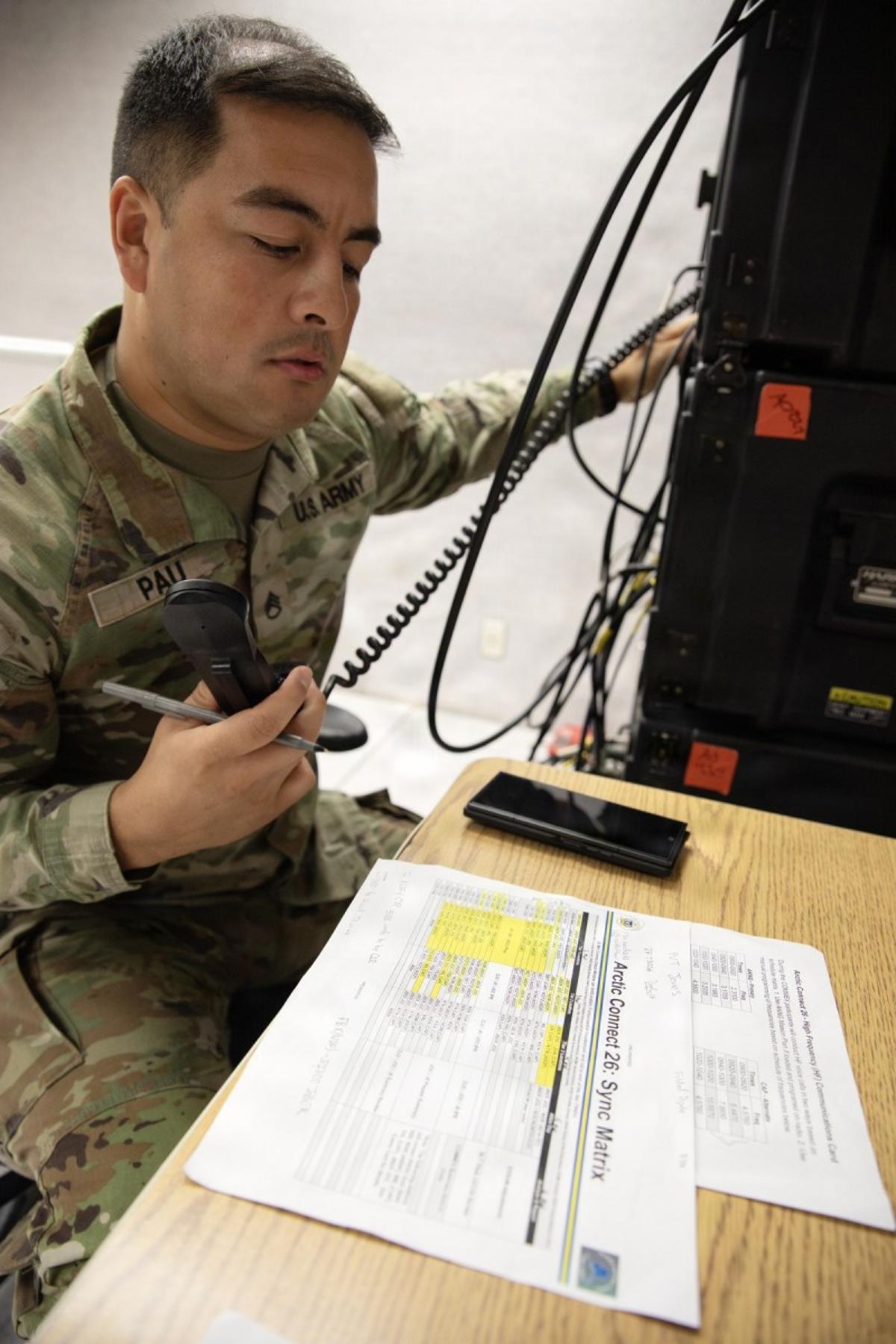
Exercise Arctic Connect Validates Communication Across Alaska
•March 6, 2026
0
Why It Matters
The exercise proves that Alaska’s critical communication infrastructure can withstand extreme environmental factors, safeguarding coordination during disasters. Reliable HF links are essential for command, control, and timely aid in a state where distance and weather often isolate populations.
Key Takeaways
- •30+ operators tested HF radio across 28 Alaskan sites.
- •Exercise validated high‑frequency pathways despite weather and terrain.
- •Joint Base Elmendorf‑Richardson served as central coordination hub.
- •Adjustments improved antenna alignment and frequency tuning.
- •Strengthened interagency communication for disaster response.
Pulse Analysis
Alaska’s sprawling geography and volatile weather have long tested the limits of conventional communication networks. High‑frequency (HF) radio remains one of the few technologies capable of bridging hundreds of miles without relying on satellite or fiber infrastructure, making it indispensable for military, first‑responder, and volunteer groups operating in remote regions. However, HF signals are highly sensitive to ionospheric conditions, solar activity, and local terrain, which can cause sudden degradation. Understanding these variables and maintaining a robust HF architecture is therefore a strategic priority for any agency tasked with statewide emergency response.
Exercise Arctic Connect, conducted in early March 2026, assembled over 30 operators from the Alaska Army and Air National Guard, the State Defense Force, Civil Air Patrol, and the Division of Homeland Security and Emergency Management. The participants simulated real‑world traffic between Joint Base Elmendorf‑Richardson and outlying sites such as Nome, testing a 545‑mile link that traversed mountains, tundra, and coastal weather fronts. Initial trials revealed outbound transmission gaps caused by misaligned antennas and suboptimal power settings. Teams responded in real time, fine‑tuning frequencies, adjusting antenna orientation, and confirming green indicators across the network, thereby converting yellow alerts into reliable communications.
The successful validation of HF pathways has immediate operational benefits and signals a broader shift toward resilient, redundant communication strategies in the Arctic. By confirming that command and control can be maintained even when satellite or cellular services fail, Alaska’s emergency management framework gains a critical safety net for natural disasters, severe storms, and potential security incidents. The exercise also underscores the value of interagency collaboration, as shared expertise accelerates problem solving and builds a unified response posture. Continued investment in HF equipment, training, and regular drills will ensure the state remains prepared for the next crisis.
Exercise Arctic Connect validates communication across Alaska
0
Comments
Want to join the conversation?
Loading comments...