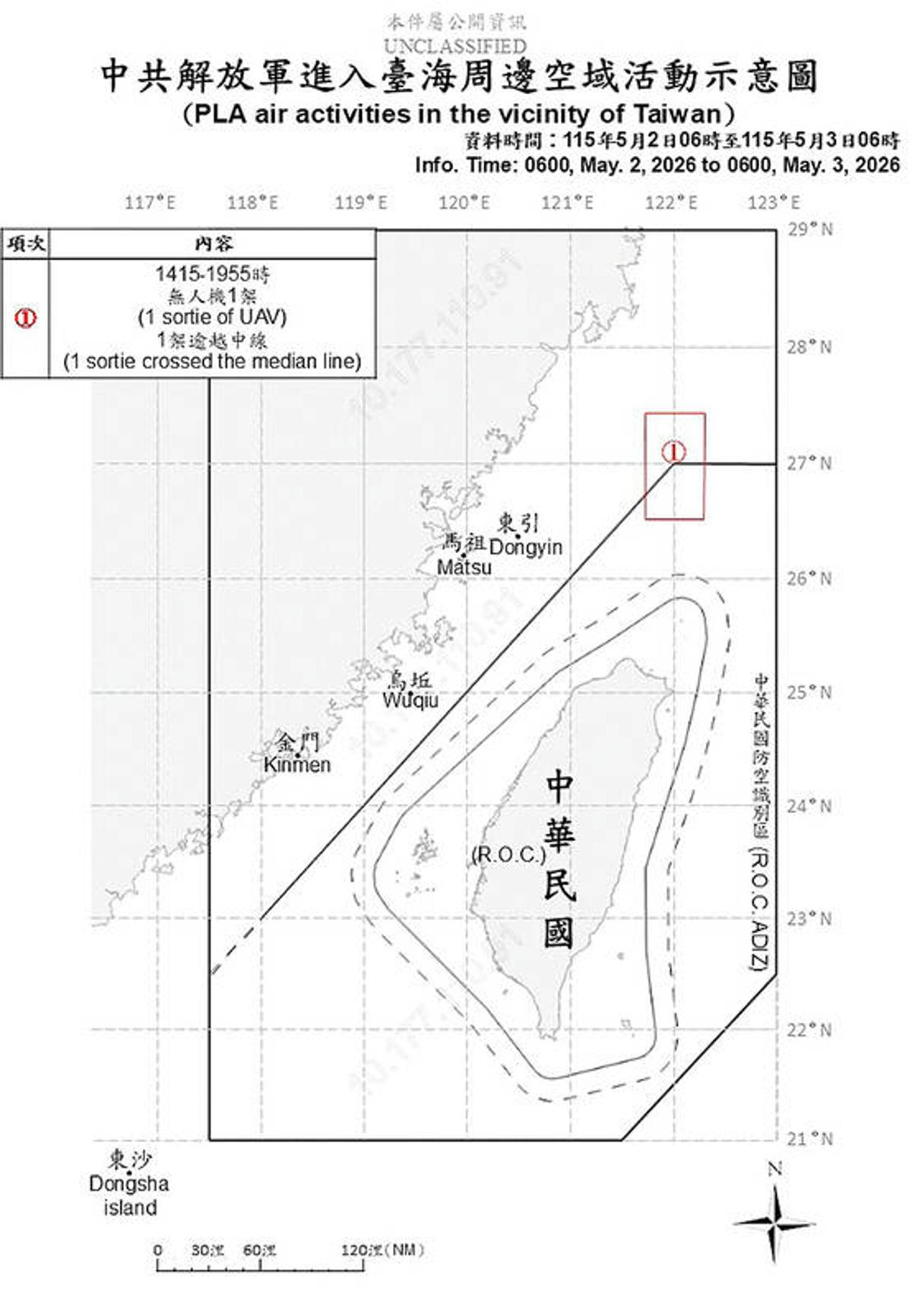
Experts Discuss Issues in Defense-Related Reporting
Why It Matters
Reduced transparency hampers both expert analysis and public awareness, weakening Taiwan's strategic communication and resilience against Chinese pressure. Strengthening intelligence exchange and regular briefings can improve deterrence and maintain public trust.
Key Takeaways
- •Ministry shifted to regional reporting, obscuring precise PLA flight paths.
- •Analysts lose ability to assess Chinese intent from limited data.
- •Public desensitization risk grows with daily uncontextualized updates.
- •Experts urge monthly briefings and secure intel sharing with allies.
Pulse Analysis
The shift to regional reporting reflects Taiwan's effort to shield its surveillance capabilities from adversary exploitation. By masking exact flight paths, the Ministry aims to deny the PLA insight into Taiwan's detection limits, yet the trade‑off is a loss of granularity that scholars and security analysts rely on to gauge escalation patterns. This opacity complicates academic research, hampers predictive modeling, and limits the ability of policymakers to craft calibrated responses to Chinese gray‑zone tactics.
Compounding the analytical blind spot is the public's exposure to daily, uncontextualized PLA activity logs. Repeated releases of raw sortie counts can breed apathy, as citizens struggle to differentiate routine maneuvers from genuine threats. Experts advocate for a disciplined communication rhythm—monthly or bi‑monthly briefings led by senior officials—that ties observable movements to strategic intent. Such briefings would provide narrative depth, reinforce trust in government messaging, and counter misinformation by framing data within a clear geopolitical context.
In the broader regional arena, intensified Chinese sorties coincide with the multi‑nation Balikatan drills, underscoring the need for robust intelligence collaboration. Secure channels for sharing precise movement data with partners like the United States, Japan, and allied navies can enhance collective situational awareness and deterrence. By integrating detailed analytics into allied command structures while preserving operational secrecy domestically, Taiwan can project a unified front, signal that every PLA action is monitored, and discourage reckless aggression from Beijing.
Experts discuss issues in defense-related reporting
Comments
Want to join the conversation?
Loading comments...