Experts Split on Possible U.S. Rhetoric Shift on Taiwan at Trump-Xi Summit
Why It Matters
A rhetorical shift would signal a deeper U.S. alignment with Beijing, reshaping cross‑strait dynamics and affecting regional security calculations. The outcome could influence Taiwan’s diplomatic space and global supply‑chain stability.
Key Takeaways
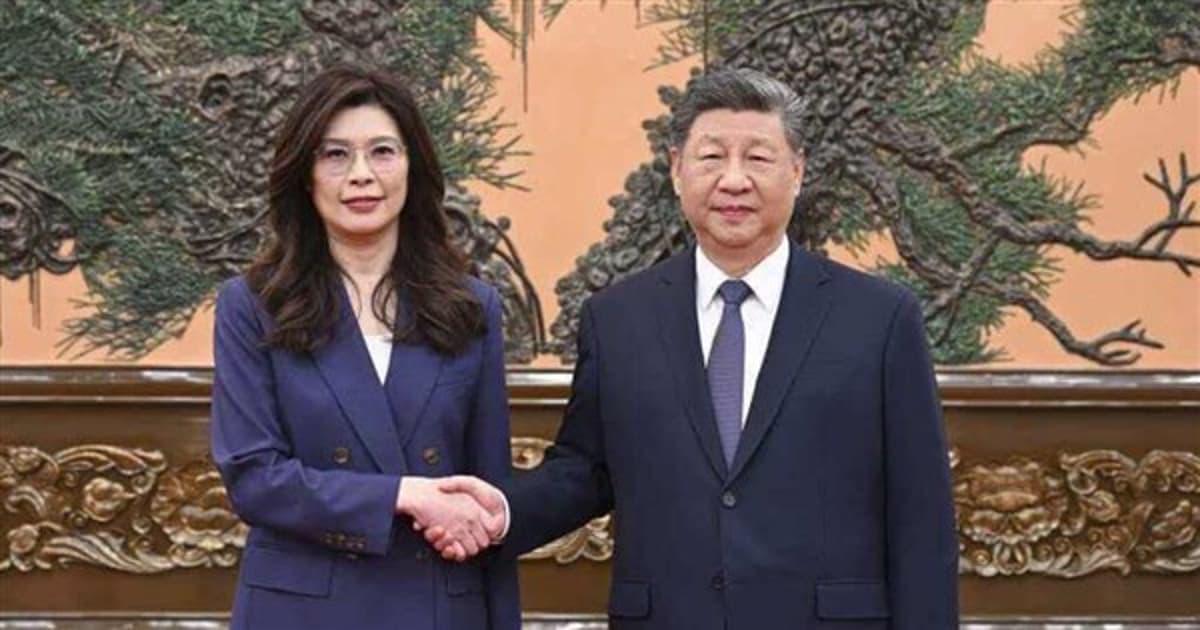
- •KMT chair met Xi, reiterated opposition to Taiwan independence
- •Experts debate possible U.S. shift from “does not support” to “opposes”
- •Trump‑Xi summit may address Taiwan rhetoric, but broader agenda likely
- •U.S. “one‑China” policy rooted in 1970s communiqués remains resilient
Pulse Analysis
The upcoming Trump‑Xi summit arrives at a fraught moment for U.S.-China relations, with the Taiwan question lingering as a potential flashpoint. While the two leaders are expected to prioritize trade tariffs, semiconductor supply chains, and broader geopolitical coordination, the subtle language used to describe Taiwan’s status could carry outsized symbolic weight. A shift from the longstanding U.S. phrasing of "does not support" Taiwan independence to an outright "opposes" stance would align Washington more closely with Beijing’s red line, potentially limiting Taiwan’s diplomatic maneuverability and emboldening Chinese pressure tactics.
Taiwanese scholars are split on the likelihood and impact of such a rhetorical change. Tang Kai‑tai of the Foundation on Asia‑Pacific Peace Studies warns that even if the issue surfaces, entrenched U.S. commitments—anchored in the Three Joint Communiqués and the Taiwan Relations Act—make a wholesale concession unlikely. Conversely, Hung Yao‑nan of Tamkang University argues that the summit’s tight schedule and technology‑focused agenda will push Taiwan to the periphery, reserving any substantive political dialogue for later visits, such as a possible Xi trip to Washington later in the year. This divergence underscores the uncertainty surrounding how, and when, Taiwan will re‑enter high‑level talks.
For businesses, the stakes are concrete. A hardened U.S. stance could tighten export controls on Chinese tech firms, reverberate through global supply chains, and alter investment risk assessments across the Asia‑Pacific. Conversely, a status‑quo approach maintains a degree of predictability for multinational corporations navigating cross‑strait trade. Stakeholders should monitor diplomatic language closely, as even minor shifts can trigger policy adjustments affecting market access, compliance requirements, and strategic planning for firms operating in the region.
Experts split on possible U.S. rhetoric shift on Taiwan at Trump-Xi summit
Comments
Want to join the conversation?
Loading comments...