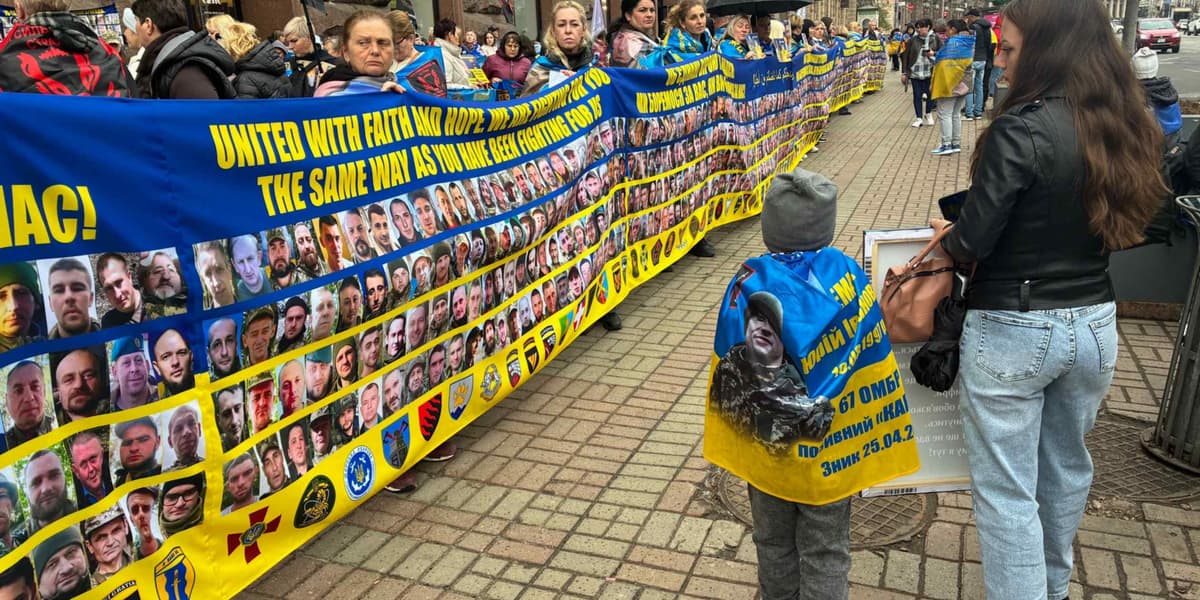
Extortion Is Latest Russian War Tactic Targeting Ukraine Families
Why It Matters
Extortion weaponizes civilian trauma, eroding societal resilience and prompting urgent diplomatic and legal responses. It signals a dangerous escalation that could normalize targeting of non‑combatants in modern conflicts.
Key Takeaways
- •Russian operatives threaten families with graphic videos to force cooperation
- •Targeted victims are relatives of POWs and missing persons
- •Ukraine labels the practice a war crime under international law
- •The tactic aims to destabilize civilian morale and extract intelligence
- •Global NGOs call for stronger sanctions against perpetrators
Pulse Analysis
The latest Russian war tactic—extortion of Ukrainian families—marks a chilling evolution in the conflict’s psychological front. By threatening to broadcast graphic footage of injured or mutilated relatives, Russian operatives aim to coerce cooperation and extract information about prisoners of war and missing persons. This approach leverages personal trauma as a weapon, blurring the line between conventional combat and terror tactics. Analysts note that such methods are designed to fracture community cohesion, undermine trust in Ukrainian institutions, and create a climate of fear that hampers resistance efforts.
Humanitarian organizations and legal experts have swiftly condemned the practice as a violation of the Geneva Conventions, which prohibit targeting civilians to achieve military objectives. Ukraine’s government has documented numerous cases, urging the International Criminal Court to investigate. Allies in the United States and Europe are considering additional sanctions aimed at individuals and entities facilitating the extortion network. The tactic also complicates evacuation and repatriation efforts for POWs, as families may be reluctant to engage with authorities for fear of retaliation.
The broader implications extend beyond Ukraine’s borders. If extortion becomes an accepted tool of statecraft, other conflicts could see similar abuses, eroding the norms that protect civilians in war. Policymakers must therefore prioritize robust legal frameworks, intelligence sharing, and support for victim assistance programs. Strengthening cyber‑security measures to block the distribution of threatening media, alongside diplomatic pressure on Russia, could mitigate the spread of this coercive strategy and reaffirm the international community’s commitment to safeguarding non‑combatants.
Extortion is latest Russian war tactic targeting Ukraine families
Comments
Want to join the conversation?
Loading comments...