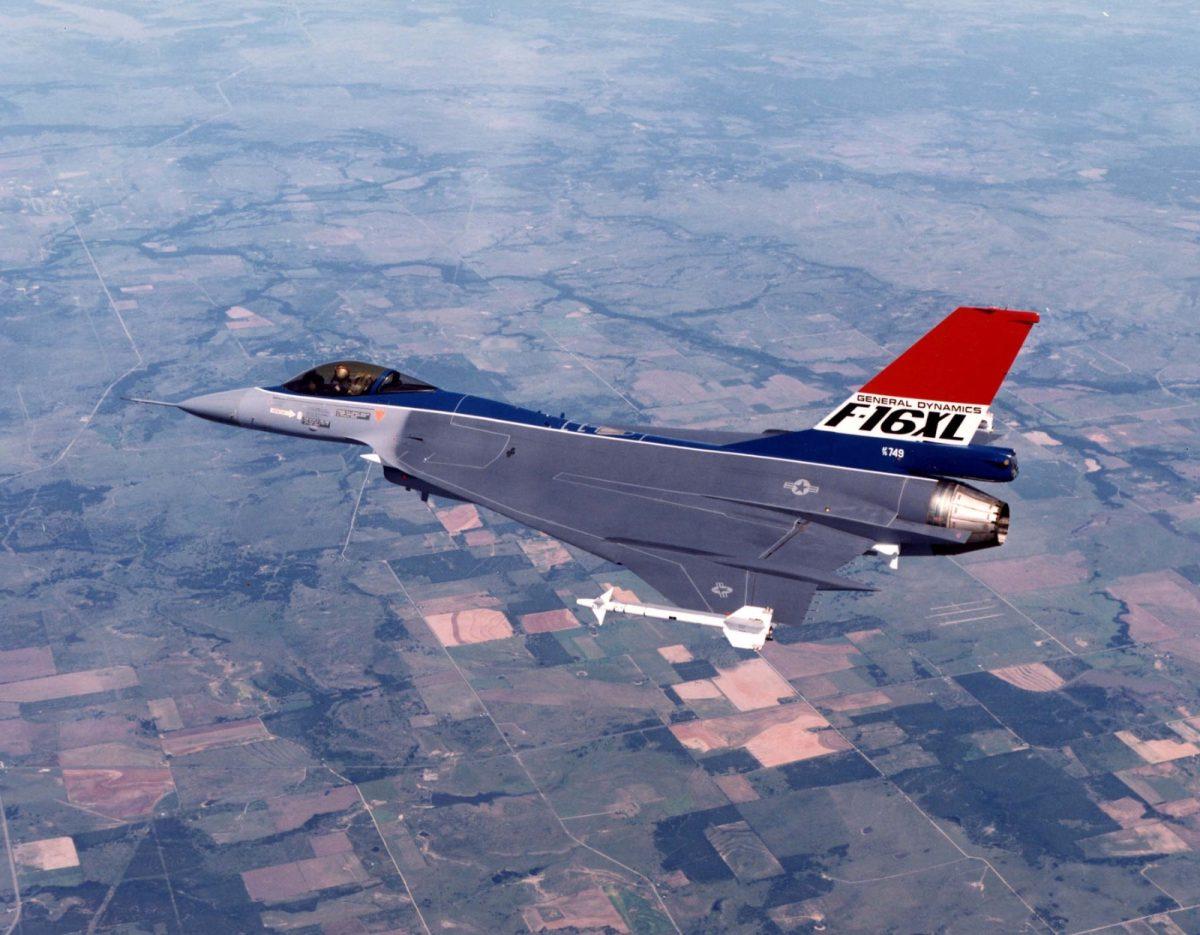
F-15 “Defeats” F-16: How the Strike Eagle Beat the F-16XL to Replace the Aging F-111 Warplane
Companies Mentioned

Why It Matters
The selection shaped the USAF’s fleet strategy, favoring proven, survivable platforms over innovative but riskier designs, influencing future procurement and modernization priorities.
Key Takeaways
- •F-15E selected for ETF to replace aging F-111 bomber.
- •Twin‑engine survivability outweighed F-16XL’s superior range.
- •Commonality with existing F‑15 fleet cut development risk.
- •F-16XL’s innovative wing offered higher payload but higher cost.
Pulse Analysis
When the Cold War intensified, the USAF faced a pressing need to retire the costly, maintenance‑heavy F‑111 Aardvark. The aircraft’s low‑level penetration capability was increasingly vulnerable to advancing Soviet air defenses, prompting a shift toward a dual‑role platform that could strike deep targets while defending itself. The Enhanced Tactical Fighter (ETF) competition, launched in 1981, asked manufacturers to deliver an aircraft capable of autonomous, high‑threat missions with both air‑to‑ground precision and robust air‑to‑air performance. This strategic pivot set the stage for a showdown between two very different design philosophies.
McDonnell Douglas leveraged the proven F‑15 airframe, adding a second engine, advanced terrain‑following radar, and a larger payload bay to create the F‑15E Strike Eagle. Its twin‑engine configuration promised a critical safety margin: a single engine loss over hostile territory would not guarantee a crash. Conversely, General Dynamics pushed the limits of the F‑16 with the F‑16XL, featuring a 70‑degree swept, cranked‑arrow wing that doubled fuel capacity and extended range beyond 2,800 miles. While the XL boasted superior payload and efficiency, its single‑engine layout raised survivability concerns, and its extensive airframe modifications implied higher production costs and logistical complexity. The USAF ultimately favored the lower‑risk, faster‑to‑field F‑15E, which also aligned with existing maintenance infrastructure.
The outcome of the ETF contest reverberates through modern acquisition programs. It underscored the premium placed on platform commonality, lifecycle affordability, and engine redundancy—factors that continue to guide decisions on next‑generation fighters such as the F‑35 and potential future strike aircraft. Moreover, the F‑16XL’s experimental wing later contributed to NASA’s laminar‑flow research, influencing high‑speed civil transport concepts. The F‑15E’s victory illustrates how strategic imperatives, risk tolerance, and logistical realities can outweigh pure performance metrics in shaping the air forces of tomorrow.
F-15 “Defeats” F-16: How the Strike Eagle Beat the F-16XL to Replace the Aging F-111 Warplane
Comments
Want to join the conversation?
Loading comments...