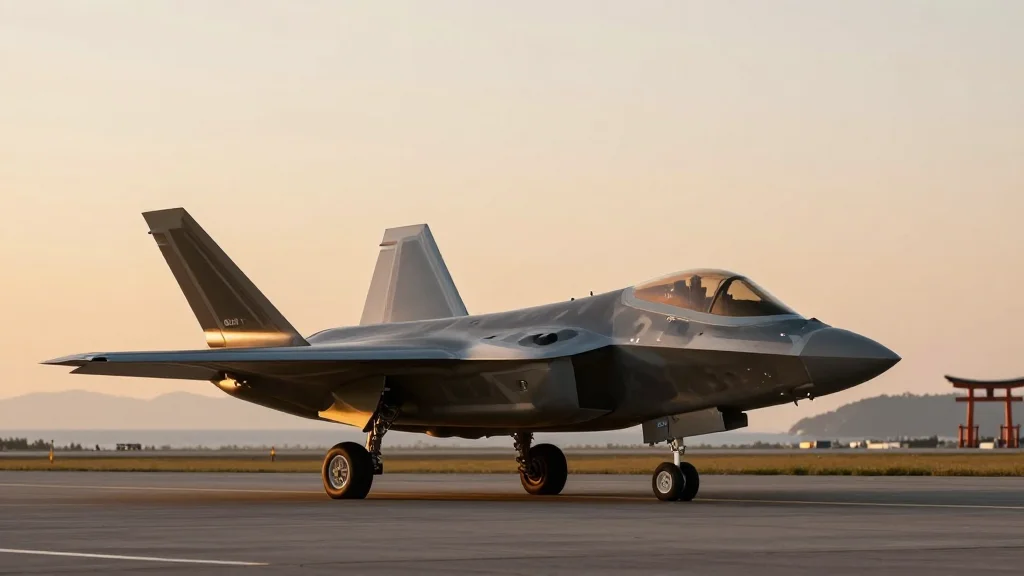
F-22 Raptors Arrive in Japan, Strengthen Indo-Pacific Airpower
Why It Matters
Positioning F-22s in Japan enhances deterrence against Chinese air expansion and deepens U.S.-Japan defense integration, reinforcing stability in the Indo‑Pacific.
Key Takeaways
- •Eight F-22 Raptors deployed to Misawa Air Base for joint exercises
- •Deployment marks first operational F-22 presence in Japan since 2015
- •Moves aim to counter Chinese air capabilities in the East China Sea
- •Enhances interoperability between US Air Force and Japan Air Self‑Defense Force
- •Signals US commitment to Indo‑Pacific security amid regional tensions
Pulse Analysis
The arrival of F-22 Raptors at Misawa Air Base represents a tangible escalation of U.S. air power in the Indo‑Pacific theater. While the aircraft have been stationed in the region for training missions in the past, this deployment is the first sustained operational presence since the early 2010s. By positioning eight fifth‑generation fighters within striking distance of contested airspace, the United States signals its readiness to respond swiftly to any breach of international norms, while providing Japanese pilots with direct exposure to advanced stealth and sensor technologies.
Strategically, the move dovetails with Washington’s broader effort to counterbalance China’s rapid modernization of its People's Liberation Army Air Force. The East China Sea, a hotspot for territorial disputes over the Senkaku/Diaoyu islands, has seen an uptick in high‑speed intercepts and radar incursions. F-22s, with their superior situational awareness and beyond‑visual‑range capabilities, serve as a potent deterrent, complicating any adversary’s calculus. Moreover, the joint exercises reinforce the U.S.-Japan security alliance, fostering seamless command‑and‑control integration that is critical for coalition operations in a contested environment.
Looking ahead, the deployment may set a precedent for more frequent forward‑based rotations of advanced fighters across allied bases in the region. Such a posture could spur further investments in infrastructure, logistics, and training pipelines, benefitting both the defense industrial base and regional partners. Analysts also anticipate that the visible U.S. commitment will encourage other Indo‑Pacific allies to deepen their own air capabilities, creating a networked deterrence architecture that could shape the strategic balance for years to come.
F-22 Raptors arrive in Japan, strengthen Indo-Pacific airpower
Comments
Want to join the conversation?
Loading comments...