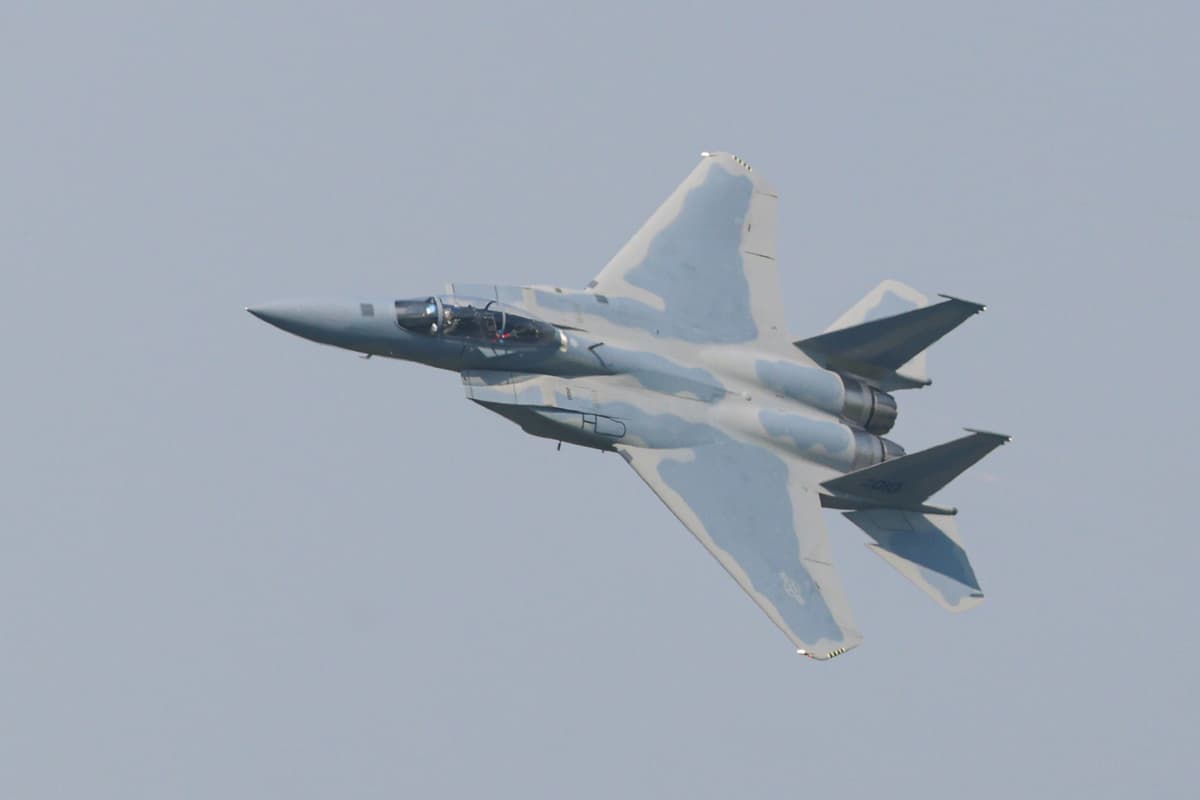
F-35 Delays Drove Boost to Air Force’s F-15EX Buy
Companies Mentioned
Why It Matters
Accelerating the F-15EX buy safeguards the Air Force’s ability to meet Pacific‑theater demands while mitigating risks from F‑35 schedule slips, preserving combat readiness. It also deepens Boeing’s production footprint and influences defense budgeting.
Key Takeaways
- •F-15EX order rose from 129 to 267 for FY2027
- •F-35 TR-3 and Block 4 delays prompted extra fighter capacity
- •Boeing aims to increase production to two F-15EXs per month
- •Additional lines could boost output to three‑four aircraft monthly
- •Air National Guard F-15C replacements drive part of the expanded order
Pulse Analysis
The Air Force’s decision to more than double its F‑15EX Eagle II order is a direct response to the chronic schedule slips affecting the F‑35A Joint Strike Fighter. The latest Technology Refresh 3 (TR‑3) and Block 4 software upgrades have pushed delivery timelines beyond the 2025‑2026 window, leaving a shortfall in high‑capacity strike platforms. Senior leaders, including Lt. Gen. David Tabor, have warned that without an additional fighter, the service could struggle to sustain a balanced mix of stealth and payload‑heavy aircraft, especially as the Pacific theater grows more contested.
Boeing’s existing single‑line facility in St. Louis currently falls short of the contractually required two F‑15EXs per month, prompting a series of negotiations to accelerate output. The company has outlined a “well‑thought‑out” plan that could add one or two parallel lines, eventually reaching three to four jets monthly with modest capital investment. Faster ramp‑up not only satisfies the Air Force’s immediate needs but also strengthens the defense industrial base, creating jobs and preserving critical manufacturing expertise at a time when the sector faces broader supply‑chain pressures.
From a budgetary perspective, the FY2027 proposal to purchase 267 F‑15EXs represents a significant shift in the Pentagon’s fighter‑acquisition strategy, reallocating funds that might have otherwise supported additional F‑35s. The expanded fleet will replace aging F‑15C air‑national‑guard aircraft, extending service life and enhancing readiness without waiting for the next generation of stealth fighters. Analysts view the move as a pragmatic hedge against technology risk, ensuring the United States retains a versatile, high‑output strike capability while the F‑35 program works through its modernization challenges.
F-35 Delays Drove Boost to Air Force’s F-15EX Buy
Comments
Want to join the conversation?
Loading comments...